Healthy Habits
Self-care is essential for maintaining emotional wellbeing. Establishing healthy habits in your daily routine can significantly impact your overall mental health. Here are some examples of daily routines that promote self-care for emotional wellbeing:
Consistent Self-Care Routine
Maintaining a consistent self-care routine is crucial for managing stress and promoting emotional resilience. By incorporating self-care habits into your daily schedule, you can create a sense of balance and stability in your life. Here are some tips on how to establish a consistent self-care routine:
- Start small: Begin by incorporating one self-care activity into your daily routine, such as meditation, exercise, or journaling.
- Set aside time: Schedule specific times during the day for self-care activities, even if it’s just for a few minutes.
- Prioritize self-care: Make self-care a non-negotiable part of your day, just like any other important task or appointment.
- Be flexible: Adjust your self-care routine as needed to accommodate changes in your schedule or circumstances.
By making self-care a priority and integrating healthy habits into your daily routine, you can improve your emotional wellbeing and enhance your overall quality of life.
Emotional Wellbeing
Self-care practices play a crucial role in maintaining and improving emotional health. By prioritizing self-care, individuals can better manage stress, anxiety, and other negative emotions that may arise in daily life. Taking time to care for oneself can lead to a more positive outlook and increased emotional resilience.
Impact of Self-Care on Emotional Health
Self-care activities such as meditation, exercise, journaling, and spending time with loved ones can help reduce feelings of overwhelm and promote a sense of calm. These practices allow individuals to connect with their emotions, understand their needs, and address any underlying issues that may be contributing to emotional distress.
Link Between Self-Care and Emotional Resilience
Prioritizing self-care can strengthen emotional resilience, which refers to one’s ability to bounce back from setbacks and adapt to challenging situations. When individuals regularly engage in self-care practices, they develop coping mechanisms that enable them to navigate difficult emotions more effectively and maintain a sense of balance in their lives.
Personal Experiences
I remember a time when I was feeling extremely overwhelmed with work and personal responsibilities. I decided to prioritize self-care by setting aside time each day for activities that brought me joy and relaxation. As a result, I noticed a significant improvement in my emotional wellbeing. I felt more equipped to handle stress and challenges, and my overall mood lifted. This experience reinforced the importance of self-care in maintaining a healthy emotional state.
Healthy Aging: Importance Of Self-care For Emotional Wellbeing
Importance of self-care for emotional wellbeing – As individuals age, the role of self-care becomes increasingly important in promoting healthy aging. By incorporating self-care practices into their daily routines, older adults can enhance their overall well-being and quality of life.
Benefits of Self-care for Healthy Aging
- Regular exercise, such as walking or yoga, can help maintain physical strength and flexibility.
- Healthy eating habits, including a balanced diet rich in fruits, vegetables, and whole grains, can support optimal health.
- Practicing mindfulness techniques, like meditation or deep breathing, can reduce stress and improve mental well-being.
- Getting regular check-ups and screenings can help detect and prevent health issues early on.
Adapting Self-care Routines for Aging Individuals
- Modify exercise routines to focus on low-impact activities that are gentle on joints and muscles.
- Ensure adequate hydration and nutrition to support the body’s changing needs as metabolism slows down.
- Prioritize sleep and rest to allow the body to recover and rejuvenate effectively.
- Stay socially connected to combat feelings of loneliness and isolation, which can impact mental health.
Active Lifestyle
Regular physical activity plays a crucial role in maintaining emotional wellbeing. Exercise has been shown to have numerous benefits for mental health, including reducing symptoms of anxiety and depression, improving mood, and boosting self-esteem.
Connection between Exercise and Stress Relief
Exercise is a powerful tool for managing stress. When we engage in physical activity, our bodies release endorphins, which are chemicals that act as natural painkillers and mood elevators. These endorphins help to reduce stress and anxiety, providing a sense of calm and well-being. Additionally, exercise can help to distract us from our daily worries and give us a break from negative thoughts.
- Going for a brisk walk or jog in nature
- Practicing yoga or Pilates to improve flexibility and relaxation
- Taking a dance class to have fun and release pent-up emotions
- Engaging in team sports to build social connections and boost mood
Cardiovascular Health
Self-care practices and emotional wellbeing play a crucial role in maintaining cardiovascular health. The relationship between these factors is interconnected, as taking care of our emotional state can positively impact our heart health.
Stress Management Techniques for Heart Health
Stress is a significant contributor to heart problems, and managing stress effectively can improve cardiovascular health. Techniques such as mindfulness, deep breathing exercises, yoga, and meditation can help reduce stress levels and lower the risk of heart disease.
- Practice deep breathing exercises daily to calm the mind and reduce stress.
- Engage in regular physical activity, such as walking, jogging, or cycling, to improve heart function.
- Include relaxation techniques like meditation or yoga in your routine to promote overall wellbeing.
- Avoid unhealthy coping mechanisms like smoking or excessive alcohol consumption, as they can negatively impact heart health.
Healthy Recipes
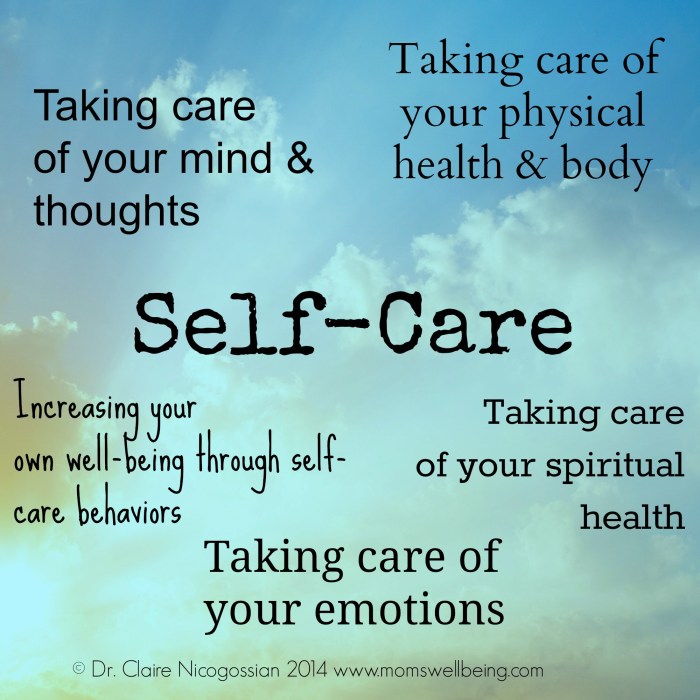
When it comes to supporting emotional wellbeing and overall health, nutrition plays a crucial role in self-care. Consuming foods rich in nutrients can positively impact our mood and mental health. Here are some meal ideas that prioritize ingredients beneficial for emotional health:
Veggie Stir-Fry with Brown Rice
- Ingredients: Mixed vegetables (bell peppers, broccoli, carrots, snap peas), tofu or lean protein (chicken, shrimp), low-sodium soy sauce, garlic, ginger, brown rice
- Instructions: Stir-fry the vegetables and protein in a wok with garlic and ginger. Add soy sauce and serve over cooked brown rice.
Salmon and Quinoa Salad
- Ingredients: Grilled salmon, cooked quinoa, mixed greens, cherry tomatoes, cucumber, avocado, lemon vinaigrette
- Instructions: Assemble the salad with the ingredients listed and drizzle with the lemon vinaigrette dressing.
Chia Seed Pudding with Berries
- Ingredients: Chia seeds, almond milk, honey, vanilla extract, mixed berries
- Instructions: Mix chia seeds with almond milk, honey, and vanilla extract. Let it sit overnight in the fridge. Top with mixed berries before serving.
Mental Resilience
Mental resilience refers to the ability to adapt and bounce back from adversity, trauma, stress, or challenges. It involves coping with difficult situations, maintaining a positive outlook, and finding ways to grow and learn from setbacks. Self-care plays a crucial role in building and strengthening mental resilience, as it provides the foundation for managing stress, maintaining emotional balance, and fostering a sense of well-being.
Strategies for Building Mental Resilience
- Practice self-care routines: Establishing daily self-care practices such as meditation, exercise, healthy eating, and adequate sleep can help reduce stress and improve mental well-being.
- Cultivate a strong support system: Surround yourself with supportive and understanding individuals who can offer encouragement, guidance, and a listening ear during challenging times.
- Develop problem-solving skills: Enhance your ability to assess situations objectively, identify solutions, and take proactive steps to address issues effectively.
- Embrace a positive mindset: Focus on gratitude, optimism, and self-compassion to build resilience and maintain a hopeful outlook even in the face of difficulties.
Personal Anecdotes of Overcoming Challenges
“During a particularly stressful period at work, I found that dedicating time to self-care activities such as yoga and journaling helped me manage my emotions and stay resilient. By prioritizing my well-being, I was able to navigate the challenges more effectively and emerge stronger.”
“After experiencing a personal loss, I turned to self-care practices like spending time in nature, talking to loved ones, and seeking professional support. These actions not only helped me cope with grief but also taught me valuable lessons about resilience and the importance of self-nurturing.”
Immune Support
Taking care of your immune system is essential for overall health and emotional wellbeing. Self-care practices play a crucial role in boosting the immune system and supporting emotional wellness.
Stress Management and Immune Function
Chronic stress can weaken the immune system, making you more susceptible to illnesses. By incorporating stress management techniques into your self-care routine, such as mindfulness meditation, deep breathing exercises, or yoga, you can help support your immune function.
Incorporating Immune-Boosting Self-Care Habits
- Get an adequate amount of sleep each night to allow your body to rest and repair.
- Stay hydrated by drinking plenty of water throughout the day.
- Eat a balanced diet rich in fruits, vegetables, and whole grains to provide essential nutrients for immune function.
- Engage in regular physical activity to strengthen your immune system and reduce stress.
- Practice good hygiene habits, such as washing your hands frequently and avoiding close contact with sick individuals.
- Avoid smoking and limit alcohol intake, as these habits can weaken the immune system.
Stress Relief
Managing stress is essential for promoting emotional balance and overall wellbeing. Chronic stress can have a detrimental impact on both emotional health and physical health, leading to various health issues. It is crucial to incorporate mindfulness practices and relaxation techniques into your daily routine to reduce stress levels and maintain emotional resilience.
Techniques for Managing Stress
- Practice deep breathing exercises to calm the mind and body.
- Engage in regular physical activity to release endorphins and reduce stress.
- Try mindfulness meditation to increase self-awareness and focus on the present moment.
- Establish a healthy work-life balance to prevent burnout and reduce stress levels.
Impact of Chronic Stress on Emotional Wellbeing
Chronic stress can lead to anxiety, depression, and other mental health disorders. It can also weaken the immune system, increase the risk of cardiovascular diseases, and disrupt sleep patterns. Managing stress effectively is crucial for maintaining emotional wellbeing and overall health.
Mindfulness Practices for Stress Reduction
Practicing mindfulness involves focusing on the present moment without judgment, which can help reduce stress and promote emotional balance.
- Try mindful breathing exercises to calm the mind and reduce stress levels.
- Engage in body scan meditation to release tension and promote relaxation.
- Practice gratitude journaling to shift your focus to positive aspects of life and reduce stress.
- Use progressive muscle relaxation techniques to release physical tension and promote relaxation.
Nutritional Balance
Maintaining a balanced diet is crucial for supporting emotional wellbeing as it provides the necessary nutrients for optimal brain function and mood regulation. Specific nutrients play a significant role in mental health and can impact our overall emotional state.
The Role of Specific Nutrients, Importance of self-care for emotional wellbeing
- Omega-3 fatty acids, found in fatty fish like salmon and walnuts, are essential for brain health and can help reduce symptoms of depression and anxiety.
- Antioxidants such as vitamin C and E help protect the brain from oxidative stress, which is linked to mental health disorders.
- B vitamins, particularly B6, B12, and folate, are important for neurotransmitter synthesis and can influence mood and cognitive function.
- Magnesium plays a role in regulating neurotransmitters involved in mood, and a deficiency has been linked to an increased risk of depression.
Tips for Maintaining Nutritional Balance
- Include a variety of fruits, vegetables, whole grains, lean proteins, and healthy fats in your diet to ensure you are getting a wide range of nutrients.
- Avoid processed foods high in sugar, unhealthy fats, and additives, as they can negatively impact mood and overall health.
- Stay hydrated by drinking plenty of water throughout the day to support proper brain function and overall wellbeing.
- Consider consulting a registered dietitian to help create a balanced meal plan tailored to your individual nutritional needs and emotional wellbeing goals.
FAQ Resource
How can self-care routines impact emotional health?
Self-care routines can positively influence emotional health by providing a sense of control, reducing stress, and promoting self-awareness and relaxation.
What are some tips for adapting self-care routines to a busy schedule?
To incorporate self-care into a busy schedule, try setting aside small pockets of time for activities like meditation, exercise, or simply taking a short break to recharge.
How does nutrition play a role in emotional well-being?
Nutrition plays a crucial role in emotional well-being by supplying the body with essential nutrients that support brain function, mood regulation, and overall mental health.
Can self-care practices help in boosting the immune system?
Yes, engaging in self-care practices such as adequate sleep, healthy eating, and stress management can boost the immune system, leading to better emotional well-being.
What are some effective stress relief techniques for promoting emotional balance?
Effective stress relief techniques include mindfulness practices, deep breathing exercises, physical activity, and engaging in hobbies or activities that bring joy and relaxation.


More Stories
How to create a balanced meal plan: A Guide to Healthy Eating
Seasonal immune support tips: Practical advice for a resilient immune system
Family-friendly active lifestyle activities – Fun and Healthy Activities for the Whole Family