Embarking on a fitness journey can be both exciting and daunting, especially for beginners. Best exercises for beginners to kickstart an active lifestyle provides a comprehensive guide to help you navigate the world of exercise, ensuring a smooth and enjoyable experience.
This guide will demystify the process, offering practical tips and beginner-friendly exercises to help you establish a foundation for a healthier and more active lifestyle.
We’ll explore various types of exercises suitable for beginners, from low-impact activities like walking and swimming to strength training exercises that build muscle and improve overall fitness. We’ll also delve into the importance of nutrition, sleep, and stress management, providing practical strategies for creating a holistic approach to wellness.
Embracing an Active Lifestyle
Embarking on a fitness journey can be a rewarding experience, especially for beginners. It’s never too late to prioritize your health and well-being. Regular physical activity offers a multitude of benefits, enhancing your overall health and quality of life.
Benefits of an Active Lifestyle
A physically active lifestyle provides numerous advantages for beginners.
- Improved Physical Health:Exercise strengthens your muscles and bones, improves cardiovascular health, and helps maintain a healthy weight. Regular physical activity can reduce your risk of chronic diseases such as heart disease, stroke, type 2 diabetes, and some types of cancer.
- Enhanced Mental Well-being:Exercise releases endorphins, which have mood-boosting effects. It can reduce stress, anxiety, and depression, promoting a sense of well-being and improved sleep quality.
- Increased Energy Levels:While it may seem counterintuitive, regular exercise can actually increase your energy levels. It improves your body’s efficiency in using oxygen and strengthens your cardiovascular system, resulting in less fatigue and more stamina.
- Improved Sleep:Exercise can help regulate your sleep-wake cycle and promote deeper, more restful sleep. However, it’s important to avoid exercising too close to bedtime, as it can make falling asleep more difficult.
- Boosted Confidence:Achieving fitness goals, no matter how small, can boost your self-esteem and confidence. It’s a great way to challenge yourself and celebrate your progress.
Setting Realistic Fitness Goals
Setting realistic fitness goals is crucial for beginners.
- Start Small:Don’t try to do too much too soon. Begin with short, manageable workouts and gradually increase the duration and intensity as you get fitter.
- Focus on Consistency:Consistency is key to achieving long-term results. Aim for at least 30 minutes of moderate-intensity exercise most days of the week. Even short bursts of activity throughout the day can contribute to your overall fitness.
- Track Your Progress:Monitor your progress to stay motivated and make adjustments as needed. Keep a journal or use a fitness tracker to record your workouts, how you feel, and any changes you notice.
- Celebrate Milestones:Acknowledge and celebrate your achievements, no matter how small they may seem. This will help you stay motivated and maintain a positive mindset.
Finding Enjoyable Activities
Choosing enjoyable activities is essential for long-term success.
- Explore Different Options:Experiment with various activities until you find ones that you genuinely enjoy. There are countless options available, from dancing and swimming to hiking and cycling.
- Find a Buddy:Working out with a friend can make exercise more fun and help you stay accountable. You can motivate each other, share tips, and enjoy the social aspect of fitness.
- Listen to Your Body:Pay attention to your body’s signals. If you’re feeling pain or discomfort, stop and rest. Pushing yourself too hard can lead to injury and setbacks.
- Be Patient:Remember that fitness is a journey, not a destination. It takes time and effort to see results. Be patient with yourself and celebrate your progress along the way.
Beginner-Friendly Exercises
Starting your fitness journey can be exciting, but it’s crucial to begin with exercises that are both effective and safe. Bodyweight exercises are an excellent choice for beginners as they require no equipment and can be modified to suit different fitness levels.
Additionally, low-impact exercises like walking, swimming, and yoga are gentle on the joints and offer numerous benefits.
Bodyweight Exercises
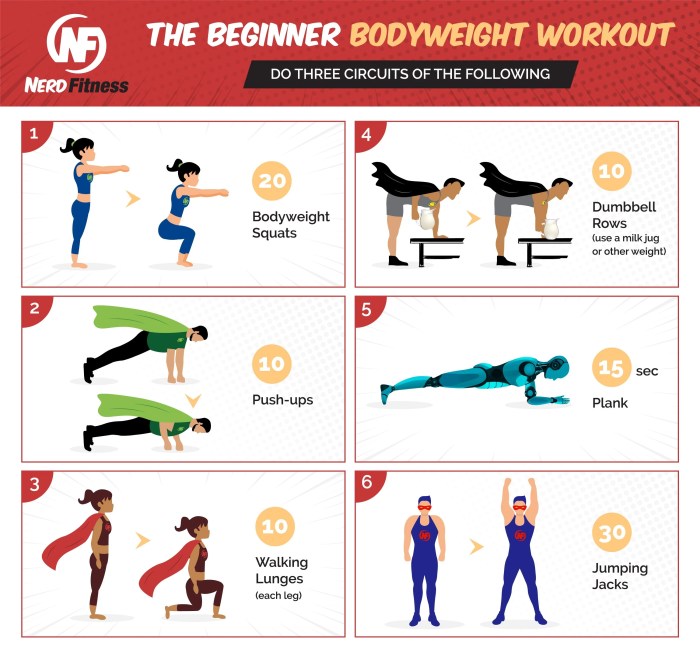
Bodyweight exercises are a great way to build strength, improve flexibility, and enhance cardiovascular health. They can be performed anywhere, anytime, making them incredibly convenient. Here are some beginner-friendly bodyweight exercises:
- Squats:Stand with feet shoulder-width apart, toes slightly pointed outward. Lower your hips as if sitting in a chair, keeping your back straight and core engaged. Push through your heels to return to the starting position.
Benefits:Strengthens legs, glutes, and core.
Improves balance and stability.
- Push-ups:Start in a plank position, hands shoulder-width apart, fingers pointing forward. Lower your chest towards the floor, keeping your body in a straight line. Push back up to the starting position.
Benefits:Strengthens chest, shoulders, and triceps. Improves upper body strength and endurance.
- Lunges:Step forward with one leg, bending both knees to 90 degrees. Keep your front knee aligned with your toes and your back knee hovering just above the floor. Push through your front heel to return to the starting position.
Benefits:Strengthens legs, glutes, and core.
Improves balance and coordination.
- Plank:Start in a push-up position, with forearms on the floor, elbows aligned with shoulders. Keep your body in a straight line from head to heels, engaging your core.
Benefits:Strengthens core muscles, improves posture, and enhances stability.
- Bird Dog:Start on all fours, with hands directly under shoulders and knees under hips. Extend one arm forward and the opposite leg backward, keeping your back straight and core engaged. Hold for a few seconds, then return to the starting position and repeat on the other side.
Benefits:Strengthens core muscles, improves balance and coordination, and enhances stability.
Low-Impact Exercises
Low-impact exercises are ideal for beginners as they put minimal stress on joints, making them suitable for people of all fitness levels. These exercises can help improve cardiovascular health, increase flexibility, and reduce the risk of injury.
- Walking:Walking is a simple and accessible exercise that can be done anywhere. Start with short walks and gradually increase the distance and intensity as you get fitter.
Benefits:Improves cardiovascular health, strengthens muscles, and helps with weight management.
- Swimming:Swimming is a great full-body workout that is easy on the joints. It’s also a low-impact exercise that can be enjoyed by people of all ages and fitness levels.
Benefits:Improves cardiovascular health, strengthens muscles, and increases flexibility.
- Yoga:Yoga is a mind-body practice that combines physical postures, breathing techniques, and meditation. It can help improve flexibility, strength, balance, and stress management.
Benefits:Improves flexibility, strengthens muscles, reduces stress, and enhances mental clarity.
Sample Weekly Workout Schedule
Here’s a sample weekly workout schedule incorporating beginner-friendly exercises:
| Day | Workout |
|---|---|
| Monday | 30 minutes of walking |
| Tuesday | Bodyweight circuit: 10 repetitions of squats, push-ups, lunges, planks, and bird dog on each side |
| Wednesday | 30 minutes of swimming |
| Thursday | Rest |
| Friday | 30 minutes of yoga |
| Saturday | 30 minutes of walking or another low-impact activity |
| Sunday | Rest |
This is just a sample schedule, and you can adjust it based on your fitness level and preferences. Remember to listen to your body and take rest days when needed.
Cardiovascular Health
Cardiovascular health is crucial for overall well-being, and engaging in regular physical activity, particularly cardiovascular exercise, is essential for maintaining a healthy heart. For beginners, starting with a gradual approach to cardiovascular exercise is key to building a foundation for a more active lifestyle.
Cardiovascular Exercise for Beginners
Cardiovascular exercise, often referred to as “cardio,” involves activities that elevate your heart rate and improve your body’s ability to deliver oxygen to your muscles. It plays a vital role in strengthening your heart, improving blood circulation, and reducing the risk of chronic diseases such as heart disease, stroke, and type 2 diabetes.
Beginner-Friendly Cardio Workout Plan
Here’s a 30-minute cardio workout plan suitable for beginners:
- Warm-up (5 minutes):Start with light activities like walking or arm circles to prepare your body for exercise.
- Cardiovascular Activity (20 minutes):Choose an activity you enjoy, such as brisk walking, jogging, cycling, or swimming. Begin with a moderate intensity level and gradually increase the duration or intensity as you become more comfortable.
- Cool-down (5 minutes):End your workout with light stretching or walking to help your body recover.
Benefits of Different Types of Cardio
Incorporating various types of cardio into your routine can provide a well-rounded approach to fitness and help prevent boredom.
- Walking:Walking is a low-impact, accessible exercise that can be done almost anywhere. It’s an excellent starting point for beginners, and you can gradually increase the distance or pace as you build endurance.
- Jogging:Jogging is a more intense form of running that offers significant cardiovascular benefits. Start with short intervals of jogging interspersed with walking and gradually increase the duration and intensity.
- Cycling:Cycling is a fun and effective cardio workout that engages multiple muscle groups. It’s a great way to explore your surroundings while getting a good workout.
Strength Training Basics
Strength training is an essential component of a well-rounded fitness routine, offering numerous benefits for beginners, particularly when combined with cardiovascular exercise. It helps build muscle mass, increase bone density, improve metabolism, and enhance overall strength and endurance.
Benefits of Strength Training for Beginners
Strength training is particularly beneficial for beginners as it helps them:
- Improve Body Composition:Strength training helps build muscle mass, which increases metabolism and helps burn more calories even at rest. This leads to a healthier body composition with more muscle and less fat.
- Boost Bone Health:Strength training puts stress on bones, stimulating bone growth and increasing bone density. This helps reduce the risk of osteoporosis and fractures, especially as we age.
- Enhance Functional Fitness:Strength training improves daily activities such as carrying groceries, climbing stairs, and getting up from a chair. It makes everyday movements easier and more efficient.
- Reduce Risk of Injuries:Stronger muscles and improved balance reduce the risk of falls and other injuries, particularly as we age.
- Improve Mood and Cognitive Function:Strength training releases endorphins, which have mood-boosting effects. It also improves cognitive function and memory.
Performing Basic Strength Training Exercises
Here’s a step-by-step guide for performing some basic strength training exercises:
Squats
Squats are a compound exercise that works multiple muscle groups, including the quads, glutes, hamstrings, and core.
- Starting Position:Stand with your feet shoulder-width apart, toes slightly pointed outward. Hold your chest up and engage your core.
- Descending:Bend your knees and lower your hips as if you’re sitting in a chair. Keep your back straight and your knees aligned with your toes.
- Ascending:Push through your heels and return to the starting position.
Lunges
Lunges are another compound exercise that targets the quads, glutes, hamstrings, and calves.
- Starting Position:Stand with your feet together. Take a large step forward with your right leg.
- Descending:Bend your right knee and lower your body until your right thigh is parallel to the floor and your left knee is almost touching the ground.
- Ascending:Push through your right heel and return to the starting position. Repeat on the other side.
Push-ups
Push-ups are a bodyweight exercise that works the chest, shoulders, and triceps.
- Starting Position:Place your hands shoulder-width apart on the floor, fingers pointing forward. Extend your body into a plank position, keeping your core engaged.
- Descending:Lower your body until your chest touches the floor. Keep your elbows close to your body.
- Ascending:Push back up to the starting position.
Tips for Safe and Effective Weightlifting Techniques
Here are some tips for safe and effective weightlifting techniques:
- Proper Form:Focus on maintaining proper form throughout the exercise. This ensures you’re working the correct muscles and reduces the risk of injury.
- Start Light:Begin with weights that are challenging but allow you to maintain proper form. Gradually increase the weight as you get stronger.
- Listen to Your Body:Pay attention to your body and stop if you feel any pain. Rest when needed and don’t push yourself too hard.
- Breathe Properly:Exhale during the exertion phase of the exercise (lifting the weight) and inhale during the recovery phase (lowering the weight).
- Warm Up and Cool Down:Always warm up before strength training and cool down afterward. This helps prevent injury and improves recovery.
Nutrition for an Active Lifestyle
Proper nutrition is crucial for supporting an active lifestyle, especially when you’re starting out. Eating a balanced diet provides your body with the energy it needs to fuel your workouts, recover effectively, and maintain overall health.
Sample Meal Plan for an Active Lifestyle
Here’s a sample meal plan that incorporates healthy and balanced meals for an active lifestyle. This plan provides a good balance of carbohydrates, proteins, and healthy fats to support energy levels and muscle recovery.
- Breakfast (7:00 AM):Oatmeal with berries and nuts, a smoothie with protein powder, Greek yogurt with fruit and granola.
- Mid-morning snack (10:00 AM):Apple slices with peanut butter, a handful of almonds, a banana with a protein bar.
- Lunch (1:00 PM):Grilled chicken salad with mixed greens, quinoa with black beans and roasted vegetables, lentil soup with whole-wheat bread.
- Afternoon snack (4:00 PM):Yogurt parfait with fruit and granola, a handful of trail mix, a protein shake.
- Dinner (7:00 PM):Salmon with roasted vegetables, chicken stir-fry with brown rice, tofu scramble with whole-wheat toast.
- Evening snack (9:00 PM):A small handful of almonds or a glass of low-fat milk.
Staying Hydrated During and After Workouts
Staying hydrated is crucial for maintaining optimal performance and preventing fatigue during and after workouts.
- Drink water regularly throughout the day:Aim for 8 glasses of water per day, and more if you’re sweating a lot.
- Drink water before, during, and after your workouts:It’s especially important to stay hydrated during intense exercise sessions.
- Listen to your body:If you feel thirsty, drink water.
- Avoid sugary drinks:They can dehydrate you and provide empty calories.
Sleep and Recovery
Sleep is not just a time for rest; it’s crucial for your body to repair and rebuild itself after a workout. Getting enough quality sleep is essential for physical recovery, muscle growth, and overall health.
The Importance of Sleep for Physical Recovery
Sleep is when your body repairs muscle tissue, replenishes energy stores, and strengthens your immune system. During sleep, your body releases hormones that promote muscle growth and repair, like growth hormone and testosterone. Adequate sleep allows your body to recover from the stress of exercise, preventing injuries and promoting optimal performance.
Establishing a Regular Sleep Routine
Consistency is key to a good night’s sleep. Creating a regular sleep schedule can help regulate your body’s natural sleep-wake cycle. Here are some tips for establishing a regular sleep routine:
- Go to bed and wake up at the same time every day, even on weekends.
- Create a relaxing bedtime routine, such as taking a warm bath, reading a book, or listening to calming music.
- Avoid caffeine and alcohol before bed.
- Make sure your bedroom is dark, quiet, and cool.
Creating a Conducive Sleep Environment
Your sleep environment plays a crucial role in the quality of your sleep.Here are some tips for creating a conducive sleep environment:
- Ensure your bedroom is dark by using blackout curtains or an eye mask.
- Keep your bedroom cool and quiet. Consider using a white noise machine or earplugs to minimize distractions.
- Make sure your bed is comfortable and supportive.
- Avoid using electronic devices in bed, as the blue light emitted from these devices can interfere with sleep.
Rest Days and Muscle Recovery
Rest days are as important as your workout days. They allow your muscles to recover and rebuild, preventing injuries and promoting optimal performance. During rest days, your body focuses on repairing damaged muscle tissue, replenishing glycogen stores, and reducing inflammation.
“Rest days are essential for muscle recovery and preventing injuries. They allow your body to repair and rebuild, ensuring you’re ready for your next workout.”
Motivation and Consistency
Starting a new fitness routine can be exciting, but staying motivated and consistent over time can be challenging. It’s easy to get caught up in the initial enthusiasm, but maintaining momentum requires a strategic approach and a commitment to your goals.
Here are some tips for staying motivated and consistent with your fitness journey:
Setting Realistic Goals
Setting realistic goals is crucial for staying motivated. Begin with achievable targets that gradually increase in difficulty as you progress. For example, if you’re new to exercise, start with two 30-minute workouts per week, then gradually increase the frequency and duration.
Avoid overwhelming yourself with overly ambitious goals that can lead to discouragement and burnout.
Finding an Exercise Buddy
Having an exercise buddy can significantly increase your motivation and accountability. A friend or family member who shares your fitness goals can provide encouragement, support, and a sense of camaraderie. Working out together can make the experience more enjoyable and help you stay committed to your routine.
Joining a Fitness Community
Joining a fitness community can provide a supportive environment where you can connect with like-minded individuals. These communities offer opportunities to learn from experienced fitness enthusiasts, participate in group workouts, and share your progress with others. The sense of belonging and shared purpose can boost your motivation and help you stay on track.
Tracking Progress and Celebrating Milestones
Tracking your progress is essential for staying motivated and recognizing your achievements. Keep a journal, use a fitness tracker, or record your workouts in a fitness app. Track metrics like weight loss, strength gains, or the number of workouts completed.
Celebrating milestones, no matter how small, can provide a sense of accomplishment and reinforce your commitment to your fitness journey.
Healthy Lifestyle
A healthy lifestyle is a combination of habits and choices that contribute to your overall well-being. It encompasses various aspects, including balanced nutrition, regular exercise, adequate sleep, and effective stress management. Embracing a healthy lifestyle is an investment in your physical and mental health, leading to a longer, happier, and more fulfilling life.
Balanced Nutrition
Balanced nutrition is crucial for providing your body with the essential nutrients it needs to function optimally. It involves consuming a variety of foods from all food groups in appropriate proportions. Here are some tips for incorporating balanced nutrition into your daily life:
- Focus on whole, unprocessed foods:Prioritize fruits, vegetables, whole grains, lean proteins, and healthy fats. These foods are rich in vitamins, minerals, and fiber, which support your overall health.
- Limit processed foods:Processed foods are often high in unhealthy fats, sugar, and sodium, which can contribute to weight gain, chronic diseases, and other health problems.
- Hydrate adequately:Water is essential for many bodily functions, including regulating temperature, transporting nutrients, and flushing out toxins. Aim to drink at least eight glasses of water daily.
- Cook more meals at home:Cooking at home allows you to control the ingredients and portion sizes, ensuring that your meals are healthy and nutritious.
Regular Exercise
Regular physical activity is essential for maintaining a healthy weight, strengthening muscles and bones, improving cardiovascular health, and boosting mood. Aim for at least 150 minutes of moderate-intensity aerobic activity or 75 minutes of vigorous-intensity aerobic activity per week.Here are some tips for incorporating regular exercise into your daily life:
- Find activities you enjoy:Choose activities that you find enjoyable, as this will make it more likely that you will stick with them.
- Start slowly and gradually increase intensity:If you are new to exercise, start with short sessions and gradually increase the duration and intensity as you get fitter.
- Make it a habit:Schedule exercise into your daily routine, just like any other important appointment.
- Find a workout buddy:Having a workout partner can provide motivation and accountability.
Adequate Sleep
Sleep is essential for physical and mental restoration. During sleep, your body repairs tissues, strengthens your immune system, and regulates hormones. Aim for 7-9 hours of quality sleep each night.Here are some tips for improving your sleep quality:
- Establish a regular sleep schedule:Go to bed and wake up at the same time each day, even on weekends.
- Create a relaxing bedtime routine:Wind down an hour or two before bed by taking a warm bath, reading a book, or listening to calming music.
- Optimize your sleep environment:Ensure your bedroom is dark, quiet, and cool.
- Avoid caffeine and alcohol before bed:These substances can interfere with sleep.
Stress Management
Chronic stress can have a negative impact on your physical and mental health. Effective stress management techniques are essential for maintaining well-being.Here are some tips for managing stress:
- Practice relaxation techniques:Deep breathing exercises, meditation, and yoga can help to calm your mind and body.
- Engage in activities you enjoy:Spending time on hobbies and activities that bring you joy can help to reduce stress levels.
- Connect with loved ones:Social support can help to buffer the effects of stress.
- Seek professional help if needed:If you are struggling to manage stress on your own, don’t hesitate to reach out to a therapist or counselor.
Medical Innovations
The world of fitness and health has undergone a remarkable transformation with the advent of cutting-edge medical innovations. These advancements offer unparalleled support to individuals embarking on an active lifestyle, particularly beginners who are starting their fitness journey. From wearable fitness trackers to personalized fitness programs, these innovations empower individuals to take control of their health and achieve their fitness goals.
Wearable Fitness Trackers
Wearable fitness trackers have become ubiquitous, offering a wealth of data and insights into an individual’s physical activity, sleep patterns, and overall health. These devices can motivate beginners by providing real-time feedback, tracking progress, and setting personalized goals. For example, a beginner might set a daily step goal and receive a notification when they reach it, encouraging them to continue moving throughout the day.
- Real-time Feedback:Wearable fitness trackers provide real-time feedback on activity levels, heart rate, calories burned, and sleep patterns, helping beginners understand their progress and identify areas for improvement.
- Goal Setting and Motivation:These devices allow users to set personalized goals and track their progress toward achieving them. The visual representation of progress can be highly motivating, encouraging beginners to stay consistent with their workouts.
- Data-Driven Insights:By collecting data on activity, sleep, and heart rate, wearable fitness trackers provide valuable insights into an individual’s overall health and fitness. This information can help beginners make informed decisions about their exercise routine and lifestyle choices.
Telemedicine
Telemedicine has revolutionized healthcare by providing remote access to medical professionals. This innovation is particularly beneficial for beginners who may have limited access to healthcare facilities or feel hesitant about seeking in-person consultations. Telemedicine platforms allow individuals to connect with doctors, physical therapists, and other healthcare providers from the comfort of their homes, receiving personalized guidance and support.
- Accessibility and Convenience:Telemedicine eliminates geographical barriers and provides convenient access to healthcare professionals, especially for beginners who may live in remote areas or have busy schedules.
- Personalized Guidance:Telemedicine allows for personalized consultations with healthcare providers, enabling beginners to receive tailored advice and support based on their individual needs and goals.
- Cost-Effectiveness:In many cases, telemedicine consultations can be more cost-effective than traditional in-person appointments, making it an attractive option for beginners on a budget.
Personalized Fitness Programs
With the advent of artificial intelligence (AI) and machine learning, personalized fitness programs have become increasingly sophisticated. These programs leverage data collected from wearable fitness trackers and user preferences to create customized workout plans that cater to individual needs and goals.
For beginners, this personalized approach can enhance motivation and ensure that they are engaging in exercises that are safe and effective for their fitness level.
- Tailored Workouts:Personalized fitness programs create workout plans that are tailored to individual fitness levels, goals, and preferences, ensuring that beginners are challenged but not overwhelmed.
- Progress Tracking and Adjustments:These programs track progress and adjust workouts based on performance and feedback, ensuring that beginners are continually challenged and making progress towards their goals.
- Motivation and Engagement:Personalized fitness programs often incorporate gamification elements and motivational feedback to keep beginners engaged and motivated throughout their fitness journey.
Nutritional Supplements
Nutritional supplements can play a role in supporting an active lifestyle, but it’s crucial to understand their potential benefits, risks, and how to choose them safely and effectively. Supplements should not replace a balanced diet, but rather complement it, providing additional nutrients that might be lacking.
Protein Powder
Protein powder is a popular supplement among athletes and fitness enthusiasts, as it provides a convenient and concentrated source of protein. Protein is essential for muscle growth and repair, which is particularly important for those engaging in regular exercise.
- Benefits:Protein powder can help build and maintain muscle mass, improve recovery after exercise, and support overall satiety.
- Risks:Excessive protein intake can strain the kidneys and liver, and some protein powders may contain artificial sweeteners, flavors, or additives that could be detrimental to health.
- Choosing Safely:Opt for protein powders made from high-quality sources like whey, casein, or soy protein. Avoid those with excessive sugar, artificial ingredients, or added fillers.
Creatine
Creatine is a naturally occurring compound found in muscle tissue that helps provide energy for short bursts of intense exercise.
- Benefits:Creatine supplementation has been shown to increase muscle mass, strength, and power output during high-intensity exercise.
- Risks:Creatine can cause gastrointestinal issues, including bloating, diarrhea, and cramps, especially when taken in high doses.
- Choosing Safely:Start with a low dose of creatine and gradually increase it over time. Consult a healthcare professional before taking creatine, especially if you have any underlying health conditions.
Multivitamins
Multivitamins provide a range of essential vitamins and minerals that may be lacking in a person’s diet.
- Benefits:Multivitamins can help fill nutritional gaps, support overall health, and potentially enhance athletic performance.
- Risks:Multivitamins can interact with certain medications, and excessive intake of some vitamins, like vitamin A, can be harmful.
- Choosing Safely:Choose a multivitamin that contains a balanced blend of essential vitamins and minerals. It’s always best to consult a healthcare professional before taking any supplements, especially if you have any existing health conditions.
Choosing Safe and Effective Supplements
- Consult a Healthcare Professional:It’s always recommended to consult a healthcare professional before taking any supplements, especially if you have any existing health conditions or are taking medications.
- Look for Third-Party Testing:Look for supplements that have been tested by independent third-party organizations to ensure quality and purity.
- Read Labels Carefully:Pay attention to the ingredients, dosage, and potential side effects listed on the supplement label.
- Start with a Low Dose:When starting a new supplement, begin with a low dose and gradually increase it as needed.
- Monitor for Side Effects:Be aware of any potential side effects and discontinue use if you experience any adverse reactions.
Fitness Routine: Best Exercises For Beginners To Kickstart An Active Lifestyle
A well-structured fitness routine is crucial for beginners embarking on their active lifestyle journey. This routine should encompass a balanced mix of cardiovascular exercises, strength training, and flexibility exercises, tailored to individual fitness levels and goals.
Sample Beginner Fitness Routine
This sample routine is a starting point and can be adjusted based on individual needs and preferences.
- Warm-up (5-10 minutes):Begin with light cardio, such as brisk walking or jogging in place, followed by dynamic stretches like arm circles and leg swings.
- Cardiovascular Exercise (20-30 minutes):Choose an activity you enjoy, such as brisk walking, jogging, swimming, or cycling. Aim for a moderate intensity level where you can still hold a conversation but feel slightly out of breath.
- Strength Training (20-30 minutes):Focus on major muscle groups using bodyweight exercises or light weights. Examples include squats, lunges, push-ups, planks, and rows.
- Flexibility Exercises (10-15 minutes):Incorporate static stretches like holding a hamstring stretch or a quad stretch for 30 seconds. Focus on major muscle groups.
- Cool-down (5-10 minutes):End with light cardio and static stretches to help your body recover.
Adjusting the Routine
- Fitness Level:Beginners should start with shorter durations and lower intensity levels. Gradually increase the duration and intensity as fitness improves.
- Goals:If weight loss is a goal, increase cardio duration and intensity. For muscle building, focus on strength training with heavier weights and more repetitions.
- Time Constraints:Break down the routine into shorter sessions throughout the week if time is limited.
Staying Consistent and Making Progress, Best exercises for beginners to kickstart an active lifestyle
- Set Realistic Goals:Start with achievable goals and gradually increase the challenge as you progress.
- Find an Activity You Enjoy:Choose exercises that you find enjoyable to increase motivation and adherence.
- Make it a Habit:Schedule workouts into your week and stick to the schedule as much as possible.
- Track Your Progress:Monitor your workouts and celebrate milestones to stay motivated.
- Seek Support:Join a fitness class, find a workout buddy, or consult a personal trainer for guidance and support.
Health Screenings
Embarking on a fitness journey is a fantastic decision, but it’s equally important to prioritize your overall health. Regular health screenings are an essential part of a proactive approach to wellness, especially for beginners who might be starting from a less active lifestyle.
These screenings can identify potential health issues early on, allowing for timely interventions and a better chance of managing them effectively.
Benefits of Different Screenings
Regular health screenings offer numerous benefits, including early detection of health conditions, personalized health management strategies, and a greater understanding of your overall well-being. Here’s a breakdown of common screenings and their advantages:
- Blood Pressure Checks: High blood pressure, also known as hypertension, can silently damage your heart, blood vessels, and other organs. Regular blood pressure checks help monitor your readings and identify any potential issues early on. This allows you to make lifestyle changes or take medication if necessary, reducing the risk of heart disease and stroke.
- Cholesterol Tests: High cholesterol levels can contribute to the buildup of plaque in your arteries, leading to heart disease. Cholesterol tests measure the levels of different types of cholesterol in your blood, providing valuable insights into your heart health. You can then work with your doctor to manage cholesterol levels through diet, exercise, and medication if needed.
- Cancer Screenings: Early detection is crucial for many types of cancer, significantly increasing the chances of successful treatment. Various cancer screenings are available, such as mammograms for breast cancer, Pap tests for cervical cancer, and colonoscopies for colorectal cancer. These screenings can help identify abnormalities and allow for timely interventions.
Scheduling and Preparing for Screenings
Regular health screenings are crucial for maintaining optimal health. Here are some guidelines for scheduling and preparing for screenings:
- Talk to your doctor: Your doctor can advise on the appropriate screenings based on your age, family history, and overall health. They can also help you schedule appointments and discuss any concerns you may have.
- Follow screening guidelines: The American Cancer Society and other reputable organizations provide guidelines for recommended cancer screenings based on age and risk factors. Follow these guidelines to ensure you’re receiving appropriate screenings at the right time.
- Prepare for screenings: Some screenings may require specific preparation, such as fasting for a blood test or avoiding certain medications. Your doctor will provide instructions for each screening. It’s important to follow these instructions carefully to ensure accurate results.
Sleep Hygiene
Sleep hygiene is the set of practices and habits that promote better sleep quality and overall well-being. It involves creating a conducive environment for sleep and adopting healthy sleep-related behaviors. By improving sleep hygiene, you can enhance your physical and mental health, improve your mood, and boost your energy levels.
Creating a Relaxing Bedtime Routine
A consistent bedtime routine signals your body that it’s time to wind down and prepare for sleep. This routine should be calming and relaxing, allowing your body to transition from wakefulness to sleep.
- Dim the lights:As the sun sets, your body naturally produces melatonin, a sleep-regulating hormone. Dimming the lights in the evening can help stimulate melatonin production and promote sleepiness.
- Take a warm bath or shower:The warmth of a bath or shower can relax your muscles and promote drowsiness.
- Read a book or listen to calming music:Engaging in relaxing activities like reading or listening to soothing music can help clear your mind and prepare you for sleep.
- Avoid screen time:The blue light emitted from electronic devices can interfere with melatonin production and disrupt your sleep cycle. Avoid screen time for at least an hour before bed.
Optimizing Sleep Environment
Your sleep environment plays a crucial role in sleep quality. A comfortable and conducive sleep environment can promote restful sleep.
- Maintain a cool temperature:The ideal sleep temperature is around 65 degrees Fahrenheit. A cooler room can help regulate your body temperature and promote sleep.
- Use blackout curtains or an eye mask:Darkness is essential for sleep. Blocking out any external light can help create a more restful sleep environment.
- Choose a comfortable mattress and pillows:A comfortable mattress and pillows are essential for a good night’s sleep. Experiment with different options to find what works best for you.
- Reduce noise:Noise can disrupt sleep. Use earplugs or a white noise machine to minimize noise levels.
Avoiding Caffeine and Alcohol Before Bed
Caffeine and alcohol can interfere with sleep. Limit your intake of these substances, especially in the hours leading up to bedtime.
- Caffeine:Caffeine is a stimulant that can keep you awake. Avoid caffeine for several hours before bed.
- Alcohol:Although alcohol can make you feel sleepy initially, it can disrupt sleep later in the night. Avoid alcohol before bed.
Impact of Sleep Deprivation
Sleep deprivation can have significant negative effects on your physical and mental health.
- Reduced physical performance:Sleep deprivation can impair your reaction time, coordination, and athletic performance.
- Increased risk of chronic diseases:Sleep deprivation can increase your risk of developing chronic diseases such as obesity, diabetes, and heart disease.
- Impaired cognitive function:Sleep deprivation can impair your concentration, memory, and decision-making abilities.
- Mood swings and irritability:Sleep deprivation can lead to mood swings, irritability, and increased anxiety.
Mental Clarity
It’s no secret that exercise is good for your body, but did you know it can also do wonders for your mind? Engaging in physical activity has a profound impact on mental clarity, helping to sharpen cognitive function, reduce stress, and elevate your mood.
The Connection Between Physical Activity and Mental Clarity
Regular exercise acts as a catalyst for a cascade of positive changes in the brain, leading to improved mental clarity. Physical activity stimulates the production of neurotrophic factors, proteins that promote the growth and survival of brain cells. This enhanced brain health translates into improved cognitive function, including memory, attention, and decision-making.
Exercise Improves Cognitive Function
Studies have consistently shown that exercise can enhance cognitive function in various ways:
- Improved Memory:Exercise can boost blood flow to the hippocampus, the brain region responsible for memory formation. This increased blood flow helps improve memory function and recall.
- Enhanced Attention:Exercise can increase dopamine levels, a neurotransmitter associated with attention and focus. This can help you concentrate better and stay on task.
- Better Decision-Making:Exercise can improve executive function, which involves planning, organizing, and decision-making. This can lead to more efficient and effective decision-making processes.
Exercise Reduces Stress
Exercise is a potent stress reliever. When you exercise, your body releases endorphins, natural mood boosters that have pain-relieving and stress-reducing effects. Regular physical activity can help you manage stress levels, promoting a sense of calm and well-being.
Exercise Enhances Mood
Exercise has been proven to elevate mood and reduce symptoms of anxiety and depression. This is because exercise triggers the release of endorphins, which have mood-boosting effects. Regular exercise can help you feel happier, more energized, and more optimistic.
Tips for Incorporating Activities that Promote Mental Clarity
Here are some tips for incorporating activities that promote mental clarity into your daily routine:
- Start Small:Begin with short, manageable workouts and gradually increase the duration and intensity as you get fitter.
- Find Activities You Enjoy:Choose activities that you find enjoyable and motivating, as this will make it easier to stick with them. There are numerous options, from brisk walking and swimming to dancing and yoga.
- Make It a Habit:Aim for at least 30 minutes of moderate-intensity exercise most days of the week. This consistency will yield the most significant benefits for your mental clarity.
- Listen to Your Body:Pay attention to your body’s signals and rest when needed. Pushing yourself too hard can lead to burnout and hinder your progress.
Hydration Importance
Staying hydrated is crucial for overall health and well-being, especially when engaging in physical activity. When you exercise, your body loses fluids through sweat, and replenishing these fluids is essential to maintain optimal performance and prevent dehydration.
Signs of Dehydration
Dehydration occurs when your body loses more fluids than it takes in. It can have various symptoms, ranging from mild to severe, depending on the level of dehydration. Recognizing these signs is crucial to address the issue promptly.
- Excessive Thirst:A strong and persistent thirst is a primary indicator of dehydration. Your body is signaling its need for fluids.
- Dry Mouth and Lips:Dehydration can lead to a dry mouth and lips, as the body reduces saliva production to conserve fluids.
- Dark-Colored Urine:The color of your urine can be a good indicator of hydration levels. Darker urine indicates a higher concentration of waste products, suggesting dehydration.
- Fatigue and Weakness:Dehydration can lead to fatigue and weakness as the body struggles to function optimally without sufficient fluids.
- Headache:Dehydration can cause headaches due to the body’s attempt to conserve fluids, which can affect blood flow to the brain.
- Dizziness and Lightheadedness:Dehydration can lead to dizziness and lightheadedness due to a decrease in blood volume and blood pressure.
- Muscle Cramps:Dehydration can cause muscle cramps as the body struggles to function without sufficient fluids.
Preventing Dehydration
Staying hydrated is crucial for preventing dehydration, especially during exercise. Here are some tips to ensure adequate fluid intake:
- Drink Water Regularly:Aim to drink water throughout the day, even when you’re not thirsty.
- Hydrate Before, During, and After Exercise:Drink water before, during, and after exercise to replenish fluids lost through sweat.
- Choose Sports Drinks:For longer workouts or in hot weather, sports drinks can help replenish electrolytes lost through sweat.
- Eat Fruits and Vegetables:Fruits and vegetables contain water, which contributes to overall hydration.
- Listen to Your Body:Pay attention to thirst signals and drink water accordingly.
Healthy Habits
A fulfilling and active lifestyle is built upon a foundation of healthy habits. These habits, when consistently integrated into your daily routine, contribute to a positive well-being and enhance your overall quality of life.
Eating a Balanced Diet
A balanced diet is crucial for providing your body with the necessary nutrients to function optimally. It involves consuming a variety of foods from all food groups in appropriate proportions.
- Fruits and Vegetables:Rich in vitamins, minerals, and antioxidants, these foods are essential for maintaining overall health. Aim for at least five servings of fruits and vegetables daily.
- Whole Grains:Choose whole grains over refined grains as they are a good source of fiber, which aids in digestion and helps regulate blood sugar levels.
- Lean Protein:Protein is essential for building and repairing tissues, and it plays a vital role in maintaining a healthy immune system. Include lean protein sources like fish, poultry, beans, and tofu in your diet.
- Healthy Fats:Unsaturated fats, found in foods like avocados, nuts, and olive oil, are beneficial for heart health. Limit saturated and trans fats, which can increase the risk of heart disease.
- Hydration:Water is essential for various bodily functions, including regulating temperature, transporting nutrients, and flushing out waste products. Aim to drink eight glasses of water daily.
Regular Exercise
Regular exercise is fundamental for maintaining physical fitness, improving cardiovascular health, and reducing the risk of chronic diseases. Aim for at least 150 minutes of moderate-intensity aerobic activity or 75 minutes of vigorous-intensity aerobic activity per week.
- Cardiovascular Exercise:Activities like brisk walking, jogging, swimming, and cycling help strengthen your heart and lungs.
- Strength Training:Resistance training, such as weightlifting, helps build muscle mass, increase bone density, and improve metabolism.
- Flexibility and Balance:Activities like yoga, Pilates, and stretching improve flexibility, balance, and range of motion.
Managing Stress
Chronic stress can have detrimental effects on both physical and mental health. Implementing stress management techniques into your daily routine is crucial for maintaining well-being.
- Mindfulness and Meditation:These practices help calm the mind and reduce stress levels. Regular meditation can improve focus, reduce anxiety, and enhance emotional well-being.
- Deep Breathing Exercises:Simple breathing exercises can help regulate your nervous system and reduce feelings of anxiety and tension.
- Time in Nature:Spending time outdoors, especially in green spaces, has been shown to reduce stress and improve mood.
- Social Connection:Maintaining strong social connections can provide support and reduce feelings of isolation, which can contribute to stress.
Prioritizing Sleep
Adequate sleep is essential for physical and mental recovery, as well as for overall health and well-being. Aim for 7-9 hours of quality sleep each night.
- Establish a Regular Sleep Schedule:Going to bed and waking up at roughly the same time each day helps regulate your body’s natural sleep-wake cycle.
- Create a Relaxing Bedtime Routine:Winding down before bed with activities like reading, taking a warm bath, or listening to calming music can help prepare your body for sleep.
- Optimize Your Sleep Environment:Ensure your bedroom is dark, quiet, and cool for optimal sleep conditions.
- Limit Screen Time Before Bed:The blue light emitted from electronic devices can interfere with melatonin production, making it harder to fall asleep.
Emotional Wellbeing
Physical activity and emotional wellbeing are interconnected, creating a positive feedback loop that enhances overall well-being. Engaging in regular exercise has been shown to significantly improve mood, reduce stress and anxiety, and boost self-esteem.
Exercise Reduces Anxiety
Exercise acts as a natural stress reliever by releasing endorphins, which have mood-boosting effects. Physical activity can help to distract from worries and provide a sense of accomplishment, leading to a reduction in anxiety levels. A study published in the Journal of Anxiety Disorders found that regular exercise was as effective as medication in reducing anxiety symptoms.
Exercise Boosts Mood
Exercise triggers the release of endorphins, which act as natural mood elevators. These chemicals interact with the brain’s opiate receptors, producing feelings of euphoria and reducing stress. Regular exercise can help to alleviate symptoms of depression and improve overall mood.
Exercise Improves Self-Esteem
Achieving fitness goals and seeing positive changes in your body can significantly boost self-esteem. Regular exercise can help to improve body image, increase confidence, and promote a sense of accomplishment.
Tips for Finding Activities That Promote Emotional Wellbeing
- Choose activities you enjoy:Engaging in activities you find enjoyable will make it more likely that you will stick with them. Consider trying different activities until you find something you genuinely enjoy.
- Start gradually:Begin with short, low-intensity workouts and gradually increase the duration and intensity as you become fitter.
- Set realistic goals:Focus on making small, achievable changes to your routine rather than setting unrealistic expectations.
- Find a workout buddy:Having a workout partner can provide motivation, support, and accountability.
- Listen to your body:Pay attention to your body’s signals and rest when needed. Avoid pushing yourself too hard, especially when starting out.
Healthy Aging
Aging is a natural process, but it doesn’t have to mean a decline in health and well-being. An active lifestyle can play a crucial role in promoting healthy aging, helping you maintain your independence, vitality, and quality of life for years to come.
Benefits of an Active Lifestyle for Healthy Aging
Adopting an active lifestyle offers numerous benefits for healthy aging, impacting both physical and mental well-being. Regular exercise can help maintain muscle mass, improve bone density, reduce the risk of age-related diseases, and enhance cognitive function.
Maintaining Muscle Mass
As we age, we naturally lose muscle mass, a process known as sarcopenia. This loss can lead to weakness, reduced mobility, and increased risk of falls. Exercise, particularly strength training, can help combat this decline.
Strength training involves using resistance to build and maintain muscle mass. It can be done with weights, resistance bands, or even your own body weight.
Improving Bone Density
Bone density naturally decreases with age, increasing the risk of osteoporosis and fractures. Weight-bearing exercises, such as walking, running, and dancing, can help strengthen bones and increase bone density.
Reducing the Risk of Age-Related Diseases
Regular physical activity can significantly reduce the risk of developing chronic diseases associated with aging, including heart disease, stroke, type 2 diabetes, and some types of cancer.
Staying Active and Healthy as You Age
Staying active as you age doesn’t require strenuous workouts. Even moderate-intensity activities can provide significant health benefits.
- Start slow and gradually increase intensity:Begin with activities you enjoy and gradually increase the duration and intensity as you build strength and endurance.
- Choose activities that fit your interests and abilities:Explore different activities, such as swimming, cycling, yoga, or gardening, to find what works best for you.
- Find a workout buddy:Having a workout partner can provide motivation and support, making it more enjoyable and likely to stick with your fitness goals.
- Listen to your body:Pay attention to your body’s signals and rest when needed. Don’t push yourself too hard, especially when starting out.
- Stay hydrated:Drink plenty of water throughout the day, especially during and after exercise.
- Consult with your doctor:Before starting any new exercise program, consult with your doctor to ensure it’s safe and appropriate for your health condition.
Active Lifestyle
Embracing an active lifestyle is not just about achieving a toned physique; it’s a holistic approach to living a healthier, happier, and more fulfilling life. Incorporating physical activity into your daily routine can have a profound impact on your overall well-being, from boosting your mood and energy levels to reducing your risk of chronic diseases.
Making Exercise a Regular Habit
Regular exercise is crucial for maintaining good health, but it can be challenging to make it a habit. The key is to find activities you enjoy and set realistic goals that fit into your lifestyle.
- Choose activities you enjoy:If you don’t enjoy what you’re doing, you’re less likely to stick with it. Explore different activities like dancing, swimming, hiking, or team sports to find something that resonates with you.
- Start small and gradually increase intensity:Don’t try to do too much too soon. Begin with short workouts and gradually increase the duration and intensity as you get fitter.
- Set realistic goals:Aim for 150 minutes of moderate-intensity aerobic activity or 75 minutes of vigorous-intensity aerobic activity per week.
- Make it a social activity:Exercise with friends or family to make it more enjoyable and motivating.
- Schedule it in:Treat your workouts like any other important appointment and block out time in your calendar.
Benefits of an Active Lifestyle
The long-term benefits of an active lifestyle are numerous and far-reaching.
- Improved cardiovascular health:Regular exercise strengthens your heart and improves blood flow, reducing your risk of heart disease, stroke, and other cardiovascular problems.
- Weight management:Exercise helps burn calories and build muscle, aiding in weight loss or maintenance.
- Increased energy levels:Contrary to popular belief, exercise boosts energy levels, leaving you feeling more vibrant and less fatigued.
- Enhanced mood and mental well-being:Exercise releases endorphins, which have mood-boosting effects and can help reduce stress, anxiety, and depression.
- Improved sleep quality:Regular exercise promotes better sleep patterns and reduces insomnia.
- Stronger bones and muscles:Exercise strengthens bones and muscles, reducing the risk of osteoporosis and falls.
- Reduced risk of chronic diseases:An active lifestyle lowers the risk of developing chronic diseases such as type 2 diabetes, some cancers, and arthritis.
- Improved cognitive function:Exercise has been shown to improve cognitive function, memory, and brain health, particularly as we age.
- Increased longevity:Studies have consistently shown that people who are physically active tend to live longer and healthier lives.
Cardiovascular Health
A strong cardiovascular system is the foundation of overall well-being. It’s responsible for transporting oxygen and nutrients throughout your body, removing waste products, and regulating your blood pressure. Maintaining cardiovascular health is crucial for a long and healthy life.
Benefits of Cardiovascular Exercise
Regular cardiovascular exercise, also known as aerobic exercise, is essential for improving cardiovascular health. It strengthens your heart and lungs, making them more efficient at delivering oxygen to your body’s tissues. Cardiovascular exercise also helps lower blood pressure, improve cholesterol levels, and reduce the risk of developing chronic diseases.
Regular cardiovascular exercise can significantly reduce your risk of heart disease, stroke, type 2 diabetes, and some types of cancer.
Incorporating Cardiovascular Exercise into Your Routine
You can easily incorporate cardiovascular exercise into your daily routine. Here are some tips:
- Choose activities you enjoy: This will make it more likely that you’ll stick with your exercise plan.
- Start slowly and gradually increase the intensity and duration: This will help your body adapt to the new activity.
- Aim for at least 30 minutes of moderate-intensity exercise most days of the week: This could include brisk walking, jogging, swimming, cycling, or dancing.
- Break up your exercise into shorter sessions: If you can’t fit in a 30-minute workout, try doing two 15-minute sessions instead.
- Make exercise a social activity: Join a group fitness class, go for walks with a friend, or participate in a team sport.
- Track your progress: This will help you stay motivated and see how far you’ve come.
Outcome Summary
By embracing the principles Artikeld in this guide, you can embark on a fulfilling journey towards a more active lifestyle. Remember, consistency is key, so start small, listen to your body, and celebrate your progress along the way. With dedication and a positive mindset, you can transform your health and well-being, unlocking the countless benefits of an active lifestyle.
General Inquiries
What are some common mistakes beginners make when starting to exercise?
Common mistakes include trying to do too much too soon, neglecting proper form, and not giving your body enough rest. It’s important to start slowly, focus on technique, and allow your body to recover between workouts.
How often should I exercise as a beginner?
Aim for at least 2-3 days of moderate-intensity exercise per week. You can gradually increase the frequency and intensity as you become more comfortable.
What should I eat before and after a workout?
Before a workout, focus on consuming easily digestible carbohydrates, such as fruits or whole-grain toast. After a workout, prioritize protein to aid in muscle recovery. Good options include Greek yogurt, eggs, or a protein shake.
How can I stay motivated to exercise consistently?
Find activities you enjoy, set realistic goals, track your progress, and celebrate your achievements. Consider finding an exercise buddy or joining a fitness community for support and accountability.


More Stories
Top Fitness Routine for Cardiovascular Health and Stamina
Running tips for beginners to stay active: Essential advice and strategies for new runners