Top Fitness Routine for improving cardiovascular health and stamina takes center stage, this opening passage beckons readers into a world crafted with good knowledge, ensuring a reading experience that is both absorbing and distinctly original. A strong cardiovascular system is the foundation of a healthy life, enabling us to power through daily activities and enjoy life to the fullest.
This comprehensive guide explores the benefits of a tailored fitness routine, designed to enhance your heart health and stamina, allowing you to reach your peak physical potential.
This guide will walk you through the essential components of a fitness routine that strengthens your cardiovascular system and boosts your stamina. We’ll delve into the importance of understanding your current fitness level, designing a personalized workout plan, and incorporating a variety of exercises that target different aspects of cardiovascular health.
We’ll also explore the crucial role of nutrition, stress management, and sleep in supporting your overall cardiovascular well-being.
Importance of Warm-up and Cool-down
Before diving into a vigorous workout, it’s crucial to prepare your body with a proper warm-up. Similarly, after your workout, a cool-down phase is equally important for aiding recovery and promoting overall well-being.
Benefits of Warming Up
Warming up is essential for preparing your body for the demands of exercise. It gradually increases your heart rate, blood flow, and muscle temperature, making your body more efficient and reducing the risk of injuries.
- Increased Muscle Temperature:Warming up increases muscle temperature, which improves muscle elasticity and flexibility. This enhances your range of motion and reduces the risk of muscle strains or tears.
- Improved Blood Flow:Warming up dilates blood vessels, increasing blood flow to your muscles. This delivers more oxygen and nutrients to working muscles, improving performance and endurance.
- Enhanced Flexibility:Warming up helps loosen tight muscles, making them more pliable and increasing your range of motion. This reduces the risk of injuries and improves overall flexibility.
- Gradual Increase in Heart Rate:A warm-up gradually increases your heart rate, preparing your cardiovascular system for the demands of exercise. This reduces the strain on your heart and prevents sudden spikes in blood pressure.
- Mental Preparation:Warming up helps you mentally prepare for the workout. It allows you to focus on your goals and get into the right mindset for exercise.
Effective Warm-Up Exercises
- Light Cardio:Start with 5-10 minutes of light cardio, such as jogging, jumping jacks, or brisk walking. This helps elevate your heart rate and prepare your cardiovascular system.
- Dynamic Stretching:Dynamic stretches involve controlled movements that increase your range of motion. Examples include arm circles, leg swings, and torso twists.
- Mobility Exercises:These exercises focus on improving joint flexibility and range of motion. Examples include hip circles, shoulder rolls, and ankle rotations.
Benefits of Cooling Down
Cooling down after a workout is equally important as warming up. It helps your body gradually transition from exercise to rest, promoting recovery and reducing muscle soreness.
- Reduced Muscle Soreness:Cooling down helps remove lactic acid buildup in muscles, which is a major contributor to muscle soreness. This reduces the severity and duration of post-workout muscle aches.
- Improved Flexibility:Cooling down allows your muscles to relax and stretch, improving flexibility and range of motion. This helps prevent muscle stiffness and tightness.
- Gradual Heart Rate Reduction:Cooling down allows your heart rate to gradually return to its resting state, preventing a sudden drop in blood pressure and promoting cardiovascular health.
- Reduced Risk of Injury:Cooling down helps prevent blood pooling in the legs, which can increase the risk of dizziness or fainting. It also helps prevent muscle cramps and other post-workout injuries.
Effective Cool-Down Exercises
- Light Cardio:Continue with light cardio for 5-10 minutes, gradually reducing your intensity. This helps maintain blood flow and promotes recovery.
- Static Stretching:Static stretches involve holding a stretch for 15-30 seconds. This helps improve flexibility and reduce muscle tension. Examples include holding a hamstring stretch, a calf stretch, or a quadriceps stretch.
- Deep Breathing Exercises:Deep breathing exercises help relax your muscles and calm your mind. They can also help reduce stress and promote relaxation.
Health Screenings and Cardiovascular Health
Regular health screenings are crucial for maintaining cardiovascular health. By detecting potential problems early, you can take proactive steps to prevent or manage cardiovascular diseases. This can significantly improve your chances of a longer, healthier life.
Types of Cardiovascular Health Screenings
Cardiovascular health screenings can help identify risk factors and early signs of heart disease. These screenings can include:
- Blood Pressure Measurement:This simple test measures the force of your blood against the walls of your arteries. High blood pressure is a major risk factor for heart disease, stroke, and other health problems.
- Cholesterol Levels:Cholesterol is a fatty substance found in your blood. High levels of LDL (“bad”) cholesterol can increase your risk of heart disease.
- Blood Sugar Test:This test measures the amount of glucose (sugar) in your blood. High blood sugar levels can indicate diabetes, which can increase your risk of heart disease.
- Electrocardiogram (ECG or EKG):This test records the electrical activity of your heart, which can help detect abnormalities in heart rhythm or structure.
- Echocardiogram:This ultrasound test creates images of your heart, which can help detect structural problems, such as valve problems or heart muscle thickening.
- Stress Test:This test monitors your heart’s response to physical exertion. It can help identify coronary artery disease, which is a narrowing of the arteries that supply blood to the heart.
Benefits of Early Detection
Early detection of cardiovascular disease can significantly improve treatment outcomes. For example, individuals with high blood pressure who receive early treatment can lower their risk of heart attack, stroke, and other complications.
“Early detection and treatment of cardiovascular disease can significantly reduce the risk of heart attack, stroke, and other complications.”
Early detection can also:
- Allow for lifestyle modifications, such as diet and exercise changes, to help manage risk factors.
- Enable timely interventions, such as medication or procedures, to prevent or slow the progression of disease.
- Improve overall health and well-being by reducing the risk of complications and improving quality of life.
Healthy Habits for Maintaining Cardiovascular Health: Top Fitness Routine For Improving Cardiovascular Health And Stamina
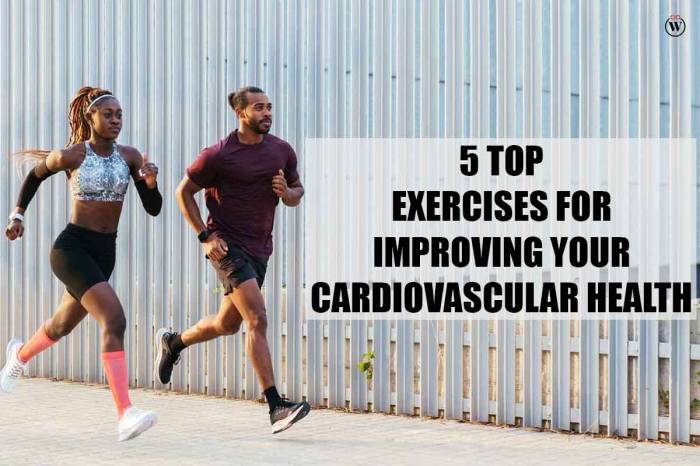
A healthy lifestyle plays a crucial role in maintaining cardiovascular health. By adopting healthy habits, you can significantly reduce your risk of heart disease and stroke, improving your overall well-being.
Importance of Regular Exercise, Top fitness routine for improving cardiovascular health and stamina
Regular exercise is essential for cardiovascular health. It strengthens your heart muscle, improves blood flow, and lowers blood pressure. Aim for at least 150 minutes of moderate-intensity aerobic activity or 75 minutes of vigorous-intensity aerobic activity per week. Examples of moderate-intensity activities include brisk walking, swimming, cycling, and dancing.
Vigorous-intensity activities include running, jumping rope, and high-impact aerobics.
Importance of a Balanced Diet
A balanced diet is vital for maintaining cardiovascular health. It should be rich in fruits, vegetables, whole grains, and lean protein. Limit your intake of saturated and trans fats, cholesterol, sodium, and added sugars. A heart-healthy diet can lower blood pressure, cholesterol levels, and the risk of developing heart disease.
Importance of Stress Management
Chronic stress can negatively impact cardiovascular health. When you’re stressed, your body releases hormones that increase your heart rate and blood pressure. Finding healthy ways to manage stress is essential for maintaining cardiovascular health. Techniques such as deep breathing exercises, meditation, yoga, and spending time in nature can help reduce stress levels.
Closure

By following the principles Artikeld in this guide, you can embark on a journey towards improved cardiovascular health and enhanced stamina. Remember, consistency is key, and gradual progress is the path to success. With dedication and a commitment to healthy habits, you can unlock the full potential of your cardiovascular system, empowering you to live a longer, healthier, and more fulfilling life.
FAQ
What are the signs of poor cardiovascular health?
Signs of poor cardiovascular health can include fatigue, shortness of breath, chest pain, dizziness, and swelling in the legs or ankles. If you experience any of these symptoms, it’s important to consult with a doctor.
How often should I exercise to improve my cardiovascular health?
Aim for at least 150 minutes of moderate-intensity aerobic activity or 75 minutes of vigorous-intensity aerobic activity per week. You can also break this up into shorter sessions throughout the week.
What are some examples of cardiovascular exercises?
Examples of cardiovascular exercises include brisk walking, running, swimming, cycling, dancing, and jumping rope.
What should I eat to support cardiovascular health?
A heart-healthy diet should include plenty of fruits, vegetables, whole grains, lean protein, and healthy fats. Limit processed foods, saturated and trans fats, and added sugars.
How can I manage stress to improve my cardiovascular health?
Effective stress management techniques include deep breathing exercises, meditation, yoga, spending time in nature, and engaging in hobbies you enjoy.


More Stories
Best Exercises for Beginners to Kickstart an Active Lifestyle
Running tips for beginners to stay active: Essential advice and strategies for new runners