How hydration plays a key role in maintaining optimal immune support is a crucial aspect of overall health. Just like a well-oiled machine, our bodies require proper hydration to function efficiently, and this is especially true when it comes to our immune system.
From the moment we wake up, our immune system is working tirelessly to protect us from harmful invaders, and staying hydrated is essential for its success.
Imagine our immune system as a complex network of soldiers, constantly patrolling our bodies, ready to fight off any threats. These soldiers, known as immune cells, need water to travel efficiently throughout our bodies, reach their designated battlegrounds, and effectively neutralize the invaders.
Dehydration can hinder their mobility, leaving our immune system vulnerable and susceptible to infections.
The Importance of Hydration for Immune Function
Staying hydrated is crucial for overall health, and its impact on the immune system is particularly significant. Dehydration can compromise the body’s ability to fight off infections, making it essential to maintain adequate fluid intake.
The Impact of Dehydration on Immune Response
Dehydration can negatively affect various aspects of the immune system, making the body more susceptible to infections. When the body is dehydrated, it struggles to maintain optimal blood volume, which can lead to a decrease in the circulation of immune cells and antibodies.
This reduced circulation hinders the immune system’s ability to reach infection sites promptly and effectively.Furthermore, dehydration can impair the production and function of white blood cells, the primary defenders against pathogens. White blood cells are responsible for identifying and destroying invading microbes, and their compromised function can lead to a weakened immune response.
How Hydration Supports Immune System Function
Adequate hydration plays a crucial role in supporting the immune system’s ability to fight off infections. Water is essential for various processes that contribute to a robust immune response:
- Transport of Immune Cells and Antibodies:Water acts as a medium for transporting immune cells, such as white blood cells, and antibodies throughout the body. These cells and antibodies are crucial for identifying and destroying pathogens, and their efficient circulation is vital for a strong immune response.
- Flushing Out Toxins:Water helps flush out toxins and waste products from the body, reducing the burden on the immune system and allowing it to function optimally. This process is essential for maintaining a healthy internal environment and preventing the accumulation of substances that can compromise immune function.
- Maintaining Body Temperature:Water plays a critical role in regulating body temperature. Dehydration can lead to an increase in body temperature, which can weaken the immune system and make it more susceptible to infections. Maintaining proper hydration helps regulate body temperature, ensuring optimal immune function.
The Role of Water in Transporting Immune Cells and Antibodies
Water acts as a crucial transport medium for immune cells and antibodies, enabling them to reach infection sites quickly and effectively. Immune cells, including white blood cells, are responsible for identifying and destroying invading pathogens. Antibodies, produced by the immune system, bind to pathogens, marking them for destruction by immune cells.
The efficient transport of these immune components is vital for a robust immune response. Dehydration can significantly impair this transport process, leading to a delayed and weakened immune response.
Hydration and Immune Cell Function
Hydration plays a vital role in supporting the optimal function of the immune system. This is because adequate hydration is essential for the production, circulation, and activity of immune cells, particularly white blood cells.
Impact of Hydration on White Blood Cell Production and Activity
Hydration directly influences the production and activity of white blood cells, which are crucial for fighting off infections. White blood cells are produced in the bone marrow, and their formation requires a sufficient amount of water. Dehydration can impair the bone marrow’s ability to produce enough white blood cells, leading to a weakened immune system.
Moreover, hydration is essential for the proper functioning of white blood cells once they are produced. White blood cells need to circulate freely throughout the body to reach infection sites. Dehydration can thicken the blood, making it harder for white blood cells to move efficiently and reach their target areas.
Hydration and Lymphocyte and Macrophage Function
Lymphocytes and macrophages are two key types of white blood cells that play critical roles in the immune response. Lymphocytes are responsible for recognizing and destroying specific pathogens, while macrophages engulf and destroy invading microorganisms. Research has shown that hydration significantly influences the effectiveness of both lymphocytes and macrophages.Studies have demonstrated that adequate hydration enhances the ability of lymphocytes to recognize and attack pathogens.
Dehydration, on the other hand, can impair lymphocyte function, making the body more susceptible to infections. Similarly, macrophages require proper hydration to function optimally. Dehydration can hinder their ability to engulf and destroy pathogens, weakening the body’s defense against infections.
Hydration and Immune System Barrier Function
The immune system relies on various barrier functions to prevent pathogens from entering the body. These barriers include the skin, mucous membranes, and the lining of the gastrointestinal tract. Hydration plays a crucial role in maintaining the integrity of these barriers.Adequate hydration helps keep the skin moist and supple, which strengthens its ability to act as a physical barrier against pathogens.
Similarly, hydration is essential for maintaining the integrity of mucous membranes, which line the respiratory, digestive, and urinary tracts. Mucous membranes act as a protective barrier by trapping pathogens and preventing their entry into the body. Dehydration can compromise the integrity of these barriers, making the body more vulnerable to infections.
Hydration and Disease Prevention
Staying hydrated is not only essential for overall health but also plays a crucial role in bolstering our immune system, making us less susceptible to common illnesses. Adequate hydration helps prevent dehydration-related complications that weaken the immune response, making us more vulnerable to infections.
Hydration and Reduced Risk of Common Illnesses
Maintaining adequate hydration is a simple yet effective strategy for reducing the risk of common illnesses like colds and the flu. When our bodies are well-hydrated, our immune system functions optimally. Here’s how hydration contributes to preventing common illnesses:
- Improved Immune Cell Function:Hydration ensures that our immune cells, such as lymphocytes and macrophages, can move freely through the body, effectively identifying and eliminating pathogens.
- Enhanced Mucus Production:Adequate hydration helps maintain the proper consistency of mucus in our respiratory system, trapping viruses and bacteria before they can infect us.
- Flushing Out Toxins:Water helps flush out toxins and waste products from the body, reducing the burden on our immune system and improving its ability to fight off infections.
Hydration and Dehydration-Related Complications, How hydration plays a key role in maintaining optimal immune support
Dehydration can significantly weaken the immune system, making us more susceptible to infections. Here’s how dehydration can negatively impact our immune function:
- Reduced Immune Cell Activity:Dehydration can impair the ability of immune cells to function effectively, making them less efficient at fighting off pathogens.
- Compromised Immune Response:Dehydration can suppress the immune response, making us more vulnerable to infections.
- Increased Risk of Infections:Dehydration can lead to a weakened immune system, increasing the risk of developing infections.
Hydration and Overall Health
Maintaining adequate hydration contributes to overall health and well-being, indirectly supporting immune function. Here’s how:
- Improved Digestion:Hydration aids in digestion and absorption of nutrients, which are essential for immune function.
- Enhanced Circulation:Adequate hydration ensures proper blood circulation, delivering oxygen and nutrients to all parts of the body, including the immune system.
- Improved Sleep:Hydration promotes restful sleep, which is essential for immune system repair and regeneration.
Hydration and Optimal Health Practices
Beyond simply drinking enough water, incorporating healthy habits into your daily routine can significantly enhance your hydration levels and bolster your immune system. By adopting these practices, you create a synergistic effect, promoting both physical and immune well-being.
Healthy Habits for Hydration and Immune Support
Engaging in specific lifestyle choices can effectively contribute to both adequate hydration and a robust immune system. These practices not only ensure sufficient water intake but also promote overall health and well-being.
- Carry a reusable water bottle:Having a water bottle readily available encourages consistent hydration throughout the day.
- Set reminders:Use alarms or phone apps to prompt yourself to drink water regularly.
- Drink water before, during, and after exercise:Replenishing fluids lost through sweating is crucial for maintaining hydration and preventing dehydration.
- Eat fruits and vegetables rich in water content:Watermelon, cucumber, and spinach are excellent sources of hydration and essential nutrients.
- Limit sugary drinks:Beverages like soda and juice can dehydrate you and contribute to unhealthy sugar intake.
- Get enough sleep:Adequate sleep supports immune function and allows your body to repair and restore itself, including fluid balance.
- Manage stress:Chronic stress can weaken your immune system. Practice stress-reducing techniques like meditation, yoga, or spending time in nature.
Recommended Daily Water Intake
The amount of water you need daily varies depending on factors such as age, activity level, and climate. Here’s a general guideline for recommended daily water intake:
| Age Group | Activity Level | Recommended Daily Water Intake (Liters) |
|---|---|---|
| Children (1-3 years) | Moderate | 1.0-1.5 |
| Children (4-8 years) | Moderate | 1.0-2.0 |
| Children (9-13 years) | Moderate | 2.0-2.5 |
| Teenagers (14-18 years) | Moderate | 2.5-3.0 |
| Adults (19-50 years) | Moderate | 2.5-3.0 |
| Adults (51+ years) | Moderate | 2.0-2.5 |
| Active Individuals | High | 3.0-4.0 |
| Athletes | Very High | 4.0+ |
Healthy Beverages for Hydration and Immune Support
While plain water is essential, other beverages can contribute to hydration and provide additional immune-boosting benefits.
- Herbal teas:Green tea, chamomile tea, and ginger tea are rich in antioxidants and have anti-inflammatory properties.
- Coconut water:A natural electrolyte-rich beverage that can help rehydrate after exercise or illness.
- Fruit-infused water:Adding slices of lemon, cucumber, or berries to water enhances its flavor and provides additional nutrients.
- Vegetable juices:Juices made from carrots, beets, or spinach offer a concentrated source of vitamins and minerals.
Hydration and Stress Management
Stress is a common part of life, and it can have a significant impact on our health and well-being. When we are stressed, our bodies release hormones like cortisol, which can lead to increased fluid loss and dehydration. This can further weaken our immune system, making us more susceptible to illness.
Stress and Hydration
Chronic stress can negatively impact our hydration levels. When we are stressed, our bodies release the hormone cortisol, which can lead to increased fluid loss through various mechanisms, such as increased urination and sweating. This can result in dehydration, which can further exacerbate stress and negatively impact immune function.
Managing Stress for Hydration and Immune Health
Managing stress is crucial for maintaining optimal hydration and immune function. Here are some tips to help you manage stress effectively:
- Practice relaxation techniques: Engaging in relaxation techniques like deep breathing exercises, meditation, and yoga can help calm your nervous system, reduce cortisol levels, and promote hydration.
- Prioritize sleep: Getting enough sleep is essential for stress management and immune function. Aim for 7-9 hours of quality sleep each night.
- Engage in regular physical activity: Exercise can help reduce stress hormones and boost your immune system. Aim for at least 30 minutes of moderate-intensity exercise most days of the week.
- Maintain a healthy diet: Eating a balanced diet rich in fruits, vegetables, and whole grains can provide your body with the nutrients it needs to function optimally and manage stress.
- Limit caffeine and alcohol intake: Caffeine and alcohol can dehydrate you and disrupt sleep, making it harder to manage stress.
- Spend time in nature: Spending time outdoors can help reduce stress and improve mood. Try taking a walk in a park or spending time in your garden.
Relaxation Techniques for Stress Reduction and Hydration
Here are some examples of relaxation techniques that can help reduce stress and improve hydration:
- Deep breathing exercises: Deep, slow breathing can help calm your nervous system and reduce stress. Try inhaling deeply through your nose, holding your breath for a few seconds, and exhaling slowly through your mouth.
- Progressive muscle relaxation: This technique involves tensing and relaxing different muscle groups in your body, which can help reduce muscle tension and promote relaxation.
- Meditation: Meditation involves focusing your attention on the present moment, which can help quiet your mind and reduce stress. There are many different types of meditation, so find one that works for you.
- Yoga: Yoga combines physical postures, breathing techniques, and meditation, which can help reduce stress, improve flexibility, and promote relaxation.
Hydration and Sleep Hygiene
A good night’s sleep is essential for maintaining a healthy immune system. Sleep deprivation can weaken the body’s defenses, making it more susceptible to infections. Proper hydration plays a crucial role in promoting restful sleep, which in turn strengthens the immune system.
The Connection Between Hydration and Sleep Quality
When we are dehydrated, our bodies struggle to regulate temperature, leading to a disruption in our sleep cycles. Dehydration can also cause dry mouth, which can lead to uncomfortable awakenings during the night. Furthermore, adequate hydration helps our bodies produce melatonin, a hormone that regulates our sleep-wake cycle.
Tips for Establishing a Healthy Sleep Routine that Includes Adequate Hydration
To establish a healthy sleep routine that supports optimal hydration, consider these tips:
- Stay hydrated throughout the day: Aim to drink water consistently throughout the day, rather than consuming large amounts of water only before bedtime.
- Avoid alcohol and caffeine before bed: These substances can disrupt sleep patterns and dehydrate the body.
- Create a relaxing bedtime routine: Engage in calming activities like taking a warm bath, reading a book, or listening to soothing music to signal your body that it’s time to wind down.
- Ensure a cool and comfortable sleep environment: A cool and dark bedroom promotes restful sleep.
- Maintain a regular sleep schedule: Going to bed and waking up at roughly the same time each day helps regulate your body’s natural sleep-wake cycle.
Hydration and Active Lifestyle
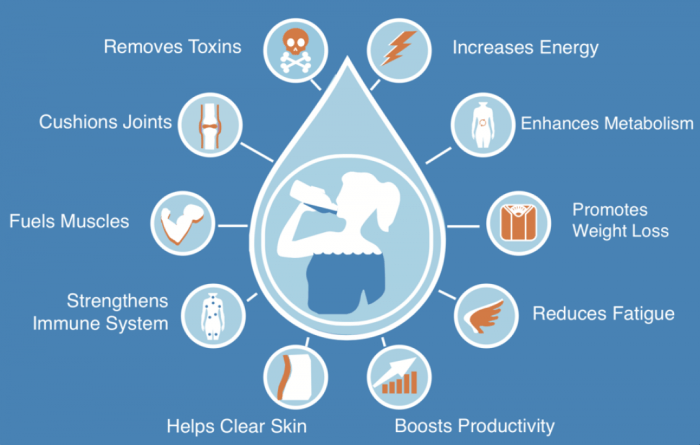
Staying hydrated is crucial for maintaining optimal immune function, especially when engaging in physical activity. Exercise can increase your body’s demand for fluids, and proper hydration is essential for supporting your body’s ability to perform at its best and recover effectively.
Hydration Supports Physical Activity and Promotes a Healthy Immune System
When you exercise, your body works harder to regulate its temperature and deliver oxygen to your muscles. This increased demand for energy and oxygen requires more blood flow, which in turn increases the need for fluids. Dehydration can lead to a decrease in blood volume, which can hinder the delivery of oxygen and nutrients to your muscles and cells, including your immune cells.
This can result in fatigue, reduced performance, and an increased risk of injury.
Hydration Improves Athletic Performance and Reduces the Risk of Injury
Maintaining adequate hydration during exercise can significantly improve athletic performance and reduce the risk of injury. When your body is properly hydrated, your muscles can function optimally, allowing for greater strength, endurance, and coordination. Adequate hydration also helps regulate body temperature, preventing overheating and heat exhaustion.
- Increased Endurance:Proper hydration helps maintain blood volume, ensuring sufficient oxygen and nutrients are delivered to muscles, allowing for longer and more intense workouts.
- Enhanced Performance:Studies have shown that athletes who stay hydrated experience improved reaction time, agility, and overall athletic performance.
- Reduced Risk of Injury:Dehydration can lead to muscle cramps and fatigue, increasing the risk of sprains, strains, and other injuries. Adequate hydration helps maintain muscle function and flexibility, reducing the likelihood of injury.
Replenishing Fluids Lost During Exercise to Maintain Optimal Immune Function
It is crucial to replenish fluids lost during exercise to maintain optimal immune function. Dehydration can compromise the immune system by reducing the number and activity of immune cells, making you more susceptible to infections.
“Staying hydrated is essential for maintaining a strong immune system, especially during and after exercise. Replenishing fluids lost through sweat helps ensure your immune cells are functioning optimally and can effectively fight off infections.”
Hydration and Nutritional Balance
Hydration is not just about quenching thirst; it plays a vital role in the absorption and utilization of essential nutrients, which are crucial for maintaining a robust immune system. Proper hydration ensures that nutrients from food reach the cells efficiently, allowing them to function optimally and bolster your body’s defenses against pathogens.
The Role of Hydration in Nutrient Absorption
Water acts as a solvent, facilitating the breakdown and absorption of essential nutrients from food. It helps transport these nutrients throughout the body, delivering them to the cells that need them.
- Vitamins and Minerals:Water is crucial for the absorption of water-soluble vitamins like vitamin C, B vitamins, and minerals like iron and zinc. These vitamins and minerals are essential for immune function, supporting the production of antibodies, white blood cells, and other immune components.
- Macronutrients:Water aids in the digestion and absorption of carbohydrates, proteins, and fats. These macronutrients provide the energy and building blocks necessary for immune cells to function properly.
Electrolytes and Immune Function
Electrolytes, such as sodium, potassium, and magnesium, are essential minerals that play a crucial role in maintaining hydration and supporting immune function.
- Electrolyte Balance:Electrolytes help regulate fluid balance in the body, ensuring that cells are properly hydrated. This is crucial for immune cell function, as dehydration can impair their ability to move and respond to pathogens.
- Immune Cell Signaling:Electrolytes are involved in various signaling pathways within the immune system, influencing the communication and coordination of immune cells.
Foods and Beverages for Hydration and Nutritional Balance
Consuming a balanced diet rich in fruits, vegetables, and other nutrient-dense foods can contribute to both hydration and overall nutritional balance.
- Fruits and Vegetables:Watermelon, cucumber, spinach, and oranges are excellent sources of water and electrolytes. These fruits and vegetables are also packed with vitamins, minerals, and antioxidants that support immune function.
- Electrolyte-Rich Beverages:Coconut water, sports drinks (in moderation), and low-sugar fruit juices can provide electrolytes and hydration.
- Herbal Teas:Herbal teas like chamomile, ginger, and peppermint are hydrating and can offer additional health benefits.
Hydration and Healthy Aging
As we age, our immune system naturally weakens, making us more susceptible to infections and illnesses. Maintaining adequate hydration is crucial for supporting a robust immune response and promoting overall health in later years.
Strategies for Older Adults to Stay Hydrated
Staying hydrated is essential for older adults to maintain optimal immune function and overall health. Here are some strategies to help older adults ensure they’re getting enough fluids:
- Keep a water bottle handy:Encourage older adults to carry a water bottle with them throughout the day and refill it regularly. This helps them stay hydrated, especially when they are on the go.
- Set reminders:Use alarms or reminders on their phones or watches to prompt them to drink water throughout the day. This can be particularly helpful for those who may forget to drink or have difficulty remembering to do so.
- Make water accessible:Ensure water is readily available in their home, including by their bedside, in the living room, and in the kitchen. This makes it easier for them to stay hydrated without having to go out of their way.
- Add flavor:If plain water isn’t appealing, encourage older adults to add a squeeze of lemon or lime, or a few berries to their water to make it more flavorful.
- Include hydrating foods:Fruits and vegetables like watermelon, cucumbers, and spinach are high in water content and can contribute to overall hydration. Encourage older adults to incorporate these foods into their diet.
- Limit sugary drinks:While sugary drinks may seem hydrating, they can actually dehydrate the body in the long run. Encourage older adults to limit their intake of soda, juice, and other sugary beverages.
- Monitor for dehydration:Be aware of signs of dehydration in older adults, such as dry mouth, constipation, dizziness, and confusion. If you notice any of these symptoms, encourage them to drink more fluids and consult with their doctor if necessary.
Benefits of Hydration for Preventing Age-Related Decline in Immune Function
Adequate hydration plays a vital role in maintaining a healthy immune system, especially as we age. Here are some ways hydration can help prevent age-related decline in immune function:
- Supports immune cell function:Water is essential for the proper functioning of immune cells, such as lymphocytes and macrophages. These cells rely on water to transport nutrients, remove waste products, and effectively fight off infections. Adequate hydration ensures these cells can operate optimally.
- Facilitates immune cell movement:Immune cells need to move freely throughout the body to reach infection sites and effectively fight off pathogens. Water helps to thin the blood and improve circulation, allowing immune cells to move efficiently and respond quickly to threats.
- Promotes lymph flow:The lymphatic system plays a crucial role in immune function, transporting immune cells and waste products throughout the body. Adequate hydration helps maintain proper lymph flow, ensuring efficient removal of toxins and pathogens, and supporting a robust immune response.
- Reduces inflammation:Chronic inflammation is a common contributor to age-related decline in immune function. Adequate hydration can help reduce inflammation by flushing out toxins and promoting proper cell function, thereby supporting a healthier immune system.
- Enhances overall health:Staying hydrated is not only important for immune function but also for overall health and well-being. Adequate hydration can improve energy levels, cognitive function, and skin health, contributing to a higher quality of life in older adults.
Hydration and Mental Clarity: How Hydration Plays A Key Role In Maintaining Optimal Immune Support
Water is essential for our bodies to function properly, and that includes our brains. Our brains are about 75% water, and this water plays a vital role in many cognitive processes, including memory, concentration, and mood.
The Link Between Hydration and Cognitive Function
Dehydration can have a significant impact on cognitive function. When we are dehydrated, our blood volume decreases, making it harder for our brains to receive the oxygen and nutrients they need. This can lead to a decline in mental performance, including difficulty concentrating, remembering information, and making decisions.
Dehydration and Concentration, Memory, and Overall Mental Clarity
Studies have shown that even mild dehydration can impair cognitive function. For example, a study published in the journal “The American Journal of Clinical Nutrition” found that participants who were dehydrated performed worse on cognitive tests than those who were adequately hydrated.
Maintaining Adequate Hydration to Enhance Mental Performance and Support Immune Health
Maintaining adequate hydration is essential for optimal cognitive function and immune health. Here are a few tips to help you stay hydrated:
- Drink water throughout the day, even if you don’t feel thirsty.
- Carry a reusable water bottle with you and refill it often.
- Eat fruits and vegetables that are high in water content, such as watermelon, cucumbers, and spinach.
- Avoid sugary drinks, as they can dehydrate you.
Conclusion

Maintaining optimal hydration is a simple yet powerful strategy for bolstering our immune defenses. By ensuring adequate water intake, we can empower our immune system to function at its peak, minimizing our susceptibility to illness and promoting overall well-being. From choosing hydrating beverages to incorporating relaxation techniques, the steps we take to stay hydrated can have a profound impact on our immune resilience.
Let’s prioritize hydration as a cornerstone of a healthy lifestyle, empowering our bodies to thrive and fight off infections with vigor.
FAQ Resource
How much water should I drink daily?
The recommended daily water intake varies based on factors like age, activity level, and climate. It’s generally advised to drink at least eight glasses of water per day, but you may need more depending on your individual needs.
What are some signs of dehydration?
Signs of dehydration can include thirst, dry mouth, fatigue, headache, dizziness, and dark-colored urine. If you experience any of these symptoms, it’s important to rehydrate promptly.
Can drinking too much water be harmful?
While staying hydrated is crucial, excessive water consumption can lead to hyponatremia, a condition where the sodium levels in your blood become diluted. This can be dangerous, so it’s important to drink water in moderation and listen to your body’s cues.


More Stories
Create a Balanced Meal Plan for Wellness
Mental Health: A Key to Healthy Aging
How Regular Screenings Prevent Heart Disease and Stroke