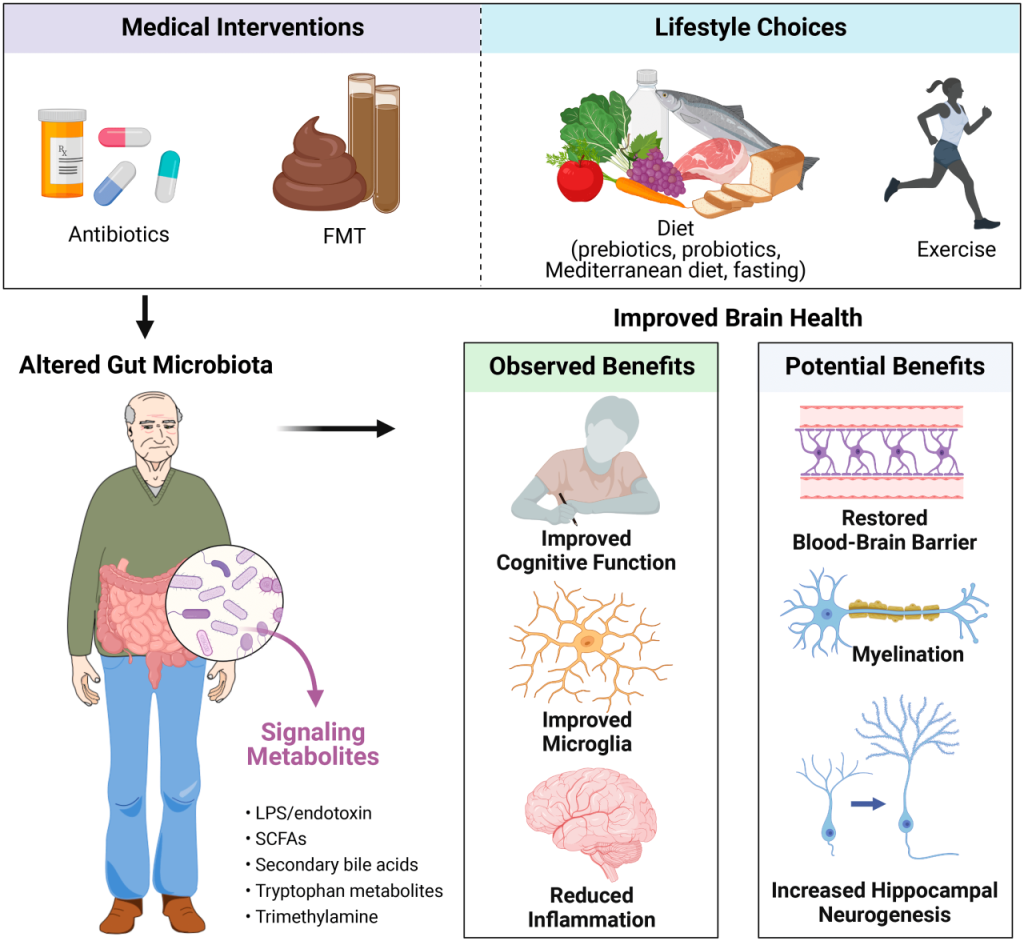
Healthy Habits
Maintaining healthy habits is essential for promoting gut health and contributing to healthy aging. By incorporating simple lifestyle changes, individuals can improve their overall well-being and quality of life.
Regular Exercise
Regular exercise plays a crucial role in maintaining a healthy gut and promoting longevity. Physical activity helps to improve digestion, reduce inflammation, and support the growth of beneficial gut bacteria. Aim for at least 30 minutes of moderate exercise most days of the week to experience these benefits.
Balanced Diet
Eating a balanced diet is key to supporting gut health and healthy aging. Include plenty of fiber-rich foods like whole grains, fruits, and vegetables in your meals to promote digestion and prevent constipation. Additionally, incorporating probiotic-rich foods like yogurt and kefir can help maintain a healthy gut microbiome. Remember to stay hydrated and limit the consumption of processed foods and sugary snacks for optimal gut health.
Emotional Wellbeing
Emotional wellbeing plays a crucial role in influencing gut health and the overall aging process. The mind-body connection is strong, and our emotional state can have a significant impact on our physical health.
Mindfulness Techniques
Practicing mindfulness techniques, such as meditation and deep breathing exercises, can help manage stress levels and promote emotional balance. By being present in the moment and focusing on our thoughts and feelings without judgment, we can reduce emotional stress that may negatively affect our gut health.
- Engage in daily meditation or mindfulness practices for at least 10-15 minutes to calm the mind and reduce stress.
- Practice deep breathing exercises to promote relaxation and alleviate anxiety.
- Take regular breaks throughout the day to check in with your emotions and practice self-care.
Stress Management Strategies
Implementing effective stress management strategies is essential for maintaining emotional wellbeing and supporting gut health. Chronic stress can disrupt the balance of gut microbiota, leading to inflammation and other health issues associated with aging.
- Engage in physical activity, such as yoga or walking, to reduce stress and boost mood-enhancing endorphins.
- Establish a healthy work-life balance to prevent burnout and reduce emotional strain.
- Seek support from friends, family, or a mental health professional to address underlying stressors and develop coping mechanisms.
Connection between Emotional Stress, Gut Microbiota, and Aging
Emotional stress can impact gut microbiota composition and function, potentially accelerating the aging process. High levels of stress hormones, such as cortisol, can disrupt the balance of beneficial bacteria in the gut, leading to inflammation and compromised immune function.
By prioritizing emotional wellbeing through mindfulness practices and stress management strategies, we can support a healthy gut and promote graceful aging.
Healthy Aging: Healthy Aging And Gut Health
Healthy aging refers to the process of growing old while maintaining optimal physical, mental, and emotional well-being. It involves making conscious choices to support overall health and vitality as we age. The relationship between healthy aging and gut health is crucial, as the gut microbiome plays a significant role in various aspects of our health, including immune function, digestion, and even mood regulation.
Tips for Aging Gracefully While Supporting Gut Health
Ensuring a healthy gut is essential for promoting longevity and quality of life as we age. Here are some tips to help you age gracefully while supporting your gut health:
- Aim to consume a diverse range of fruits, vegetables, whole grains, and lean proteins to nourish your gut microbiome.
- Stay hydrated by drinking an adequate amount of water throughout the day to support digestion and nutrient absorption.
- Incorporate probiotic-rich foods like yogurt, kefir, sauerkraut, and kimchi into your diet to promote a healthy balance of gut bacteria.
- Engage in regular physical activity to support overall health and gut motility.
- Manage stress through relaxation techniques like meditation, deep breathing, or yoga, as chronic stress can negatively impact gut health.
The Role of Lifestyle Choices in Promoting Healthy Aging and Gut Microbiome Balance
The lifestyle choices we make on a daily basis have a significant impact on both healthy aging and gut microbiome balance. By prioritizing practices that support overall well-being, we can enhance the quality of our later years and maintain a healthy gut environment. Some key lifestyle choices that promote healthy aging and gut microbiome balance include:
- Getting an adequate amount of quality sleep to support cellular repair and immune function.
- Avoiding smoking and excessive alcohol consumption, as these habits can disrupt gut health and accelerate the aging process.
- Engaging in social activities and maintaining strong relationships to support mental and emotional well-being, which can positively impact gut health.
- Seeking regular medical check-ups and screenings to detect and address any health issues early on, promoting longevity and vitality.
Active Lifestyle
Regular physical activity plays a crucial role in promoting healthy aging and maintaining gut health. It not only improves our overall well-being but also has a positive impact on our immune system and gut microbiota diversity.
Types of Physical Activities for Gut Health
Regular exercise, such as aerobic activities like walking, jogging, or cycling, can help improve gut microbiota diversity. Strength training exercises, like weightlifting or resistance band workouts, can also contribute to a healthy gut by promoting muscle growth and metabolism.
Benefits of Active Lifestyle on Aging
Engaging in regular physical activity can enhance immune function as we age, helping to reduce the risk of chronic diseases and infections. Exercise also promotes cardiovascular health, muscle strength, and flexibility, which are essential for maintaining mobility and independence as we grow older.
Cardiovascular Health
Maintaining cardiovascular health is crucial for overall well-being, as it directly impacts various aspects of our health, including gut microbiota diversity.
Impact of Cardiovascular Health on Gut Microbiota Diversity
Cardiovascular health plays a significant role in maintaining a diverse and balanced gut microbiota. Research has shown that conditions like high blood pressure, atherosclerosis, and heart disease can disrupt the composition of gut bacteria, leading to an imbalance that can negatively affect digestion, immune function, and overall health.
Dietary Recommendations for Healthy Heart and Gut, Healthy aging and gut health
– Include plenty of fiber-rich foods like fruits, vegetables, whole grains, and legumes in your diet to support heart health and promote good gut bacteria growth.
– Consume foods rich in omega-3 fatty acids, such as fatty fish, flaxseeds, and walnuts, to reduce inflammation and support cardiovascular health.
– Limit intake of processed foods, sugar, and saturated fats, as they can contribute to heart disease and negatively impact gut microbiota diversity.
Connection between Cardiovascular Fitness, Gut Health, and Aging
Cardiovascular fitness not only improves heart health but also plays a crucial role in maintaining a healthy gut and slowing down the aging process. Regular exercise can help promote a diverse gut microbiota, reduce inflammation, and improve overall health, which are all essential factors in healthy aging.
Healthy Recipes
Preparing nutritious meals is essential for promoting gut health and supporting healthy aging. By incorporating ingredients known for their beneficial effects on gut microbiota, you can take proactive steps towards overall well-being.
Gut-Healthy Breakfast Smoothie
Start your day right with a gut-friendly breakfast smoothie that is packed with nutrients to support a healthy gut.
- Ingredients:
- 1 cup of Greek yogurt
- 1/2 cup of mixed berries
- 1 tablespoon of chia seeds
- 1 tablespoon of honey
Probiotics in Greek yogurt help maintain a healthy balance of gut bacteria.
Roasted Vegetable Quinoa Bowl
This delicious and nutritious quinoa bowl is loaded with fiber and antioxidants, perfect for promoting gut health.
- Ingredients:
- 1 cup of cooked quinoa
- Assorted roasted vegetables (such as sweet potatoes, bell peppers, and zucchini)
- Handful of spinach
- 1/4 cup of feta cheese
Quinoa is a prebiotic that feeds the good bacteria in your gut.
Herb-Roasted Salmon with Asparagus
This flavorful dish is rich in omega-3 fatty acids and fiber, supporting a healthy gut and overall well-being.
- Ingredients:
- 2 salmon fillets
- Bunch of asparagus
- Fresh herbs (such as rosemary and thyme)
- 1 tablespoon of olive oil
The omega-3 fatty acids in salmon help reduce inflammation in the gut.
Mental Resilience
Mental resilience plays a crucial role in maintaining gut health and promoting healthy aging. Our mental state can directly impact our gut microbiota, which in turn affects our overall health and longevity.
Building Mental Resilience
Building mental resilience is essential for coping with life’s challenges. Here are some strategies to help strengthen your mental resilience:
- Practice mindfulness and meditation to reduce stress and enhance emotional well-being.
- Engage in regular physical activity to boost mood and reduce anxiety.
- Cultivate a strong support system of friends and family to lean on during difficult times.
- Develop problem-solving skills to effectively navigate obstacles and setbacks.
- Foster a positive outlook by focusing on gratitude and practicing self-compassion.
Positive Mental Health, Gut Microbiota, and Longevity
Maintaining positive mental health is closely linked to a healthy gut microbiota, which can contribute to longevity. Studies have shown that a balanced gut microbiome can positively impact mood, cognition, and overall well-being. By prioritizing mental resilience and taking care of our mental health, we can support a healthy gut and promote longevity.
Immune Support
Supporting the immune system is crucial for overall health, especially as we age. The relationship between gut health, immune function, and healthy aging is deeply interconnected.
Immune-Boosting Foods and Supplements
Consuming a balanced diet rich in immune-boosting foods can help strengthen the immune system. Some examples include:
- Colorful fruits and vegetables high in vitamins and antioxidants
- Probiotic-rich foods like yogurt, kefir, and sauerkraut for gut health
- Garlic, ginger, and turmeric known for their anti-inflammatory properties
In addition to a healthy diet, certain supplements like vitamin C, vitamin D, zinc, and echinacea can also support immune function.
Lifestyle Factors for Immune System Strengthening
Aside from nutrition, lifestyle choices can play a significant role in boosting the immune system as we age. Some key factors include:
- Regular exercise to improve circulation and immune function
- Getting enough quality sleep to allow the body to rest and repair
- Managing stress through relaxation techniques like meditation or yoga
- Avoiding smoking and excessive alcohol consumption to prevent immune suppression
Stress Relief
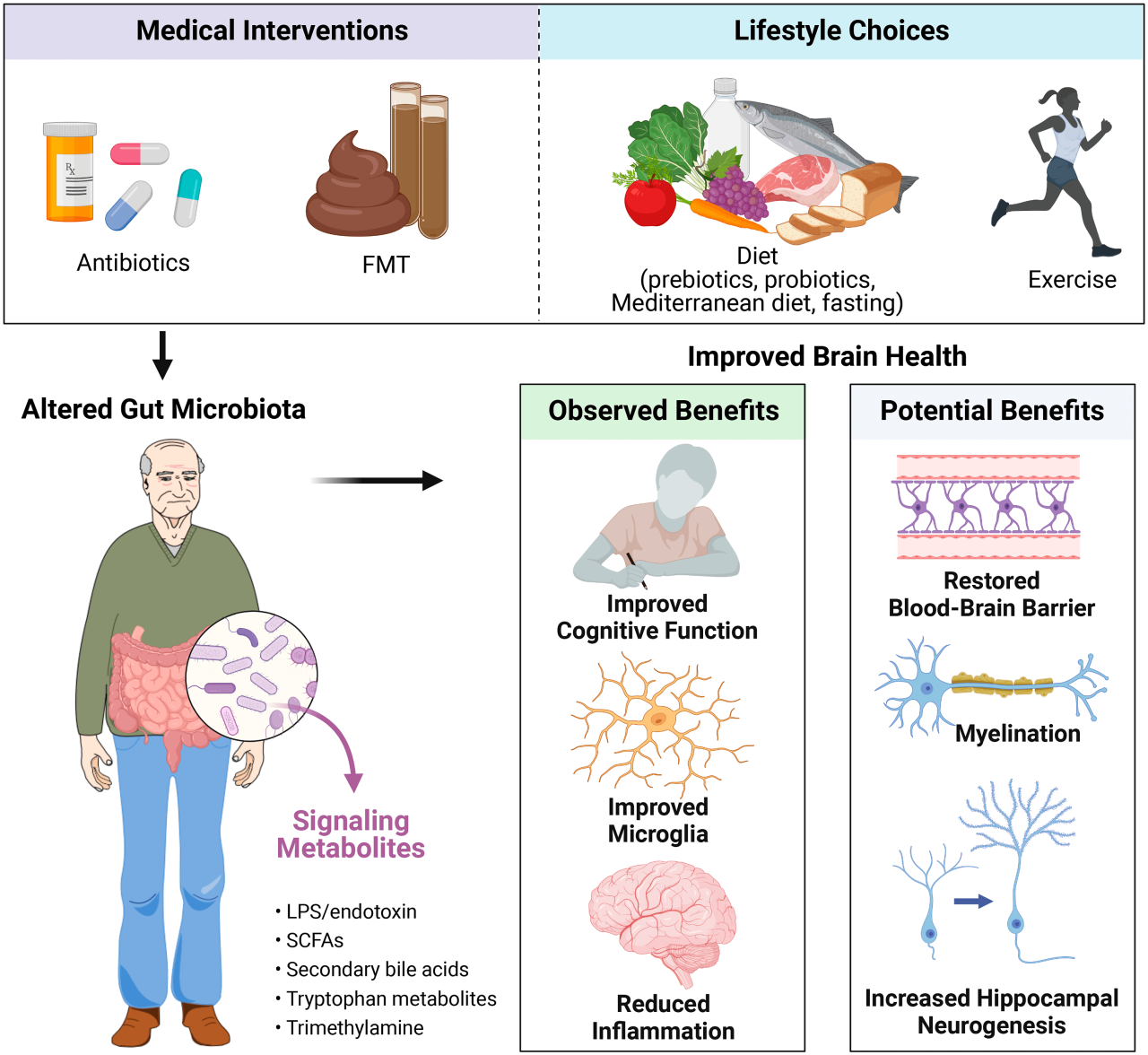
Stress relief techniques can play a crucial role in promoting gut health and supporting healthy aging. Chronic stress can have a significant impact on the gut-brain axis, affecting digestion, nutrient absorption, and overall well-being. Finding effective ways to manage stress is essential for maintaining a healthy gut microbiome and supporting the aging process.
Relaxation Practices for Gut Health
- Deep Breathing: Practice deep breathing exercises to calm the nervous system and reduce stress levels, which can positively impact gut function.
- Mindfulness Meditation: Engaging in mindfulness meditation can help reduce stress, improve mood, and support gut health by promoting relaxation.
- Yoga: Regular yoga practice can aid in stress reduction, increase flexibility, and promote digestion, all of which contribute to a healthy gut.
- Progressive Muscle Relaxation: This technique involves tensing and then relaxing different muscle groups, helping to release physical tension and alleviate stress.
Nutritional Balance
Maintaining a balanced diet is crucial for gut health and healthy aging. It involves consuming the right combination of nutrients to support overall well-being.
Role of Micronutrients, Antioxidants, and Macronutrients
Nutrients like vitamins, minerals, and antioxidants play key roles in supporting various bodily functions. Micronutrients help in enzyme reactions, macronutrients provide energy, and antioxidants protect cells from damage.
- Micronutrients: Include a variety of fruits, vegetables, whole grains, nuts, and seeds in your diet to ensure you get essential vitamins and minerals.
- Antioxidants: Foods rich in antioxidants such as berries, dark leafy greens, and beans help combat oxidative stress and inflammation in the body.
- Macronutrients: Balance your intake of carbohydrates, proteins, and healthy fats to meet your energy needs and support muscle function.
Tips for Achieving a Balanced Diet
Eating a diverse range of nutrient-dense foods is key to nourishing your gut and promoting longevity.
- Focus on whole foods: Choose whole grains, lean proteins, healthy fats, and plenty of fruits and vegetables to ensure you get a variety of nutrients.
- Avoid processed foods: Limit your intake of processed foods high in added sugars, unhealthy fats, and artificial ingredients that can disrupt gut health.
- Stay hydrated: Drink an adequate amount of water throughout the day to support digestion and nutrient absorption.
- Lister to your body: Pay attention to how different foods make you feel and adjust your diet accordingly to meet your individual needs.
Q&A
How does emotional well-being impact gut health?
Emotional well-being can influence gut health through the gut-brain axis, where stress and emotions can affect the balance of gut microbiota.
What are some immune-boosting foods for healthy aging?
Foods rich in vitamin C, zinc, and antioxidants like berries, citrus fruits, and nuts can help boost the immune system as we age.
Why is nutritional balance important for gut health?
Nutritional balance ensures that the gut receives essential nutrients to maintain a healthy microbiome and support overall well-being.


More Stories
How to create a balanced meal plan: A Guide to Healthy Eating
Seasonal immune support tips: Practical advice for a resilient immune system
Family-friendly active lifestyle activities – Fun and Healthy Activities for the Whole Family