Family-friendly Active Lifestyle Activities
Regular physical activity is essential for maintaining a healthy lifestyle, and engaging in activities as a family can make it even more enjoyable and beneficial. Here are some examples of outdoor activities suitable for families:
Hiking
- Exploring nature trails and enjoying scenic views together
- Opportunity to bond and spend quality time as a family
- Improves physical fitness and stamina
Biking
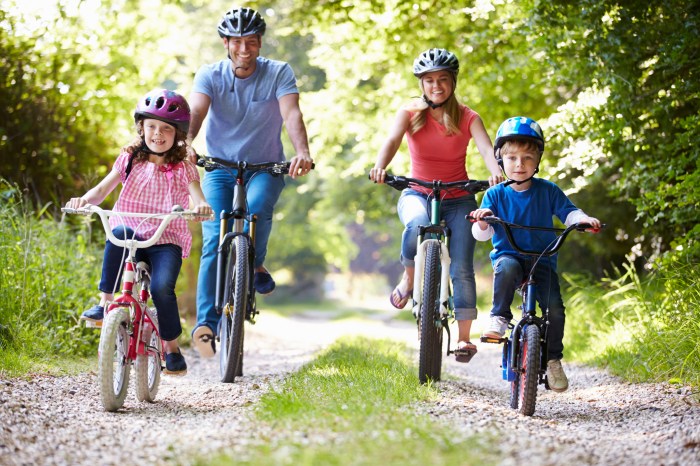
- Riding bikes in the park or on designated trails
- Enhances cardiovascular health and coordination
- Fosters teamwork and communication skills
Picnicking
- Preparing and enjoying healthy meals outdoors
- Promotes relaxation and stress relief
- Encourages mindful eating habits and social interactions
Engaging in physical activities together as a family has numerous benefits:
– Strengthens family bonds and fosters a sense of unity
– Promotes healthy habits and positive lifestyle choices
– Enhances communication and teamwork skills among family members
– Improves overall physical and mental well-being
To incorporate active lifestyle activities into daily family routines, consider the following tips:
– Schedule regular family fitness outings, such as walks or bike rides after dinner
– Involve children in meal preparation and planning to promote healthy eating habits
– Limit screen time and encourage outdoor play and sports activities
– Make physical activities fun and engaging to maintain interest and motivation
Healthy Habits: Family-friendly Active Lifestyle Activities
Establishing healthy habits from a young age is crucial for ensuring a lifetime of well-being. These habits not only promote physical health but also contribute to mental and emotional well-being. Here are some strategies for promoting healthy habits within a family setting:
Setting a Good Example
Leading by example is one of the most effective ways to promote healthy habits within a family. When parents prioritize healthy eating, regular exercise, and self-care, children are more likely to follow suit.
Creating a Positive Environment
Encouraging open communication and creating a supportive environment can help reinforce healthy habits. Family members can work together to set goals, celebrate achievements, and provide encouragement during challenging times.
Incorporating Physical Activity
Regular physical activity is essential for overall health. Finding fun and engaging activities that the whole family can enjoy together, such as hiking, biking, or playing sports, can make exercise a natural part of daily life.
Emphasizing Balance and Moderation
Teaching children the importance of balance and moderation when it comes to food choices is key to establishing healthy eating habits. Encouraging a variety of nutrient-rich foods and limiting sugary or processed snacks can help promote a healthy relationship with food.
Consistency and Routine
Establishing consistent routines around meal times, bedtime, and physical activity can help reinforce healthy habits. Children thrive on predictability, and having a structured routine can make it easier to incorporate healthy habits into daily life.
The Long-Term Impact
The healthy habits established in childhood can have a lasting impact on overall well-being. Children who learn to prioritize their health are more likely to carry these habits into adulthood, reducing their risk of chronic diseases and improving their quality of life in the long run.
Emotional Wellbeing
Family-friendly activities play a crucial role in enhancing emotional well-being by providing opportunities for bonding, relaxation, and fun. Engaging in such activities together as a family can help strengthen relationships, boost mood, and create lasting memories.
Fostering Positive Emotions and Relationships
- Express gratitude: Encourage family members to express appreciation for each other regularly. This fosters positivity and strengthens emotional bonds.
- Practice active listening: Ensure that everyone feels heard and understood within the family. This promotes empathy and nurtures positive relationships.
- Engage in shared activities: Participating in activities like hiking, biking, or playing sports together can create a sense of camaraderie and joy among family members.
- Celebrate achievements: Acknowledge and celebrate each other’s accomplishments, no matter how big or small. This promotes a supportive and encouraging environment.
Role of Communication in Emotional Wellbeing
Family-friendly active lifestyle activities – Effective communication is essential for maintaining emotional well-being within the family. Clear and open communication helps in resolving conflicts, expressing emotions, and building trust.
Communication is not just about talking but also about listening and understanding each other’s perspectives.
- Encourage open dialogue: Create a safe space where family members can freely express their thoughts, feelings, and concerns without fear of judgment.
- Resolve conflicts peacefully: Teach conflict resolution skills to family members to address disagreements in a constructive and respectful manner.
- Practice active communication: Engage in meaningful conversations with each other regularly to strengthen relationships and deepen connections.
- Seek professional help if needed: If communication breakdowns persist or emotional issues become overwhelming, consider seeking the guidance of a therapist or counselor to facilitate healthier interactions.
Healthy Aging
Engaging in active lifestyle activities plays a crucial role in supporting healthy aging by promoting physical fitness, mental wellbeing, and overall quality of life as individuals grow older.
Activities for Mobility and Flexibility
- Yoga: A gentle practice that improves balance, flexibility, and strength, promoting mobility in older adults.
- Swimming: Low-impact exercise that enhances cardiovascular health, muscle strength, and joint flexibility.
- Tai Chi: A mind-body practice that focuses on slow, controlled movements to improve balance, coordination, and overall mobility.
- Walking: An accessible activity that boosts cardiovascular fitness, strengthens bones, and supports joint flexibility.
Tips for Maintaining Independence and Vitality
- Stay Active: Engage in regular physical activity to maintain muscle strength, flexibility, and overall mobility.
- Healthy Diet: Eat a balanced diet rich in fruits, vegetables, whole grains, and lean proteins to support overall health and vitality.
- Stay Socially Connected: Maintain relationships with family and friends to support emotional wellbeing and prevent feelings of isolation.
- Mental Stimulation: Engage in activities that stimulate the mind, such as puzzles, reading, or learning new skills, to support cognitive function and mental sharpness.
Active Lifestyle
An active lifestyle involves engaging in regular physical activity and exercise to promote overall health and well-being for individuals and families. It includes activities such as walking, running, cycling, swimming, playing sports, and participating in fitness classes.
Leading an active lifestyle offers numerous benefits for overall health. Regular physical activity can help maintain a healthy weight, improve cardiovascular health, boost mood and mental well-being, increase energy levels, and reduce the risk of chronic diseases such as heart disease, diabetes, and certain types of cancer.
Setting Realistic Goals for Staying Active as a Family
When setting goals for staying active as a family, it is important to consider the interests and abilities of all family members. Start by choosing activities that everyone enjoys and can participate in together. This could be going for a family hike, playing a game of soccer in the park, or taking a bike ride around the neighborhood.
Set realistic goals that are specific, measurable, achievable, relevant, and time-bound (SMART goals). For example, aim to go for a family walk three times a week for 30 minutes each time or participate in a family workout session twice a week. Celebrate small achievements along the way to stay motivated and track progress towards your goals.
Cardiovascular Health
Regular physical activity plays a crucial role in maintaining cardiovascular health. The link between physical activity and a healthy heart is well-established, as exercise helps to strengthen the heart muscle, improve blood circulation, and lower blood pressure.
Activities Benefiting Heart Health
- Brisk walking or jogging: These activities help increase heart rate and improve cardiovascular fitness.
- Swimming: Swimming is a full-body workout that is gentle on the joints and great for heart health.
- Cycling: Cycling is a low-impact exercise that can help improve heart health and endurance.
- Aerobic exercises: Aerobic activities like dancing, aerobics classes, or jump rope can significantly benefit heart health.
Importance of Regular Exercise
Regular exercise is essential for maintaining a healthy heart and reducing the risk of cardiovascular diseases. Physical activity helps to control weight, reduce cholesterol levels, and improve overall heart function. By incorporating activities that specifically target heart health into your routine, you can support a strong and healthy cardiovascular system.
Healthy Recipes
When it comes to promoting a healthy lifestyle, nutrition plays a crucial role in supporting an active lifestyle. By incorporating nutritious meals into your family’s diet, you can ensure that everyone is getting the essential nutrients they need to stay healthy and energized. Meal planning and preparing healthy recipes can be a fun and rewarding way to take care of your family’s well-being.
Family-Friendly Recipe Ideas
- Grilled Chicken and Vegetable Skewers: Marinate chicken breast chunks in a mix of olive oil, garlic, and herbs, then thread onto skewers with colorful bell peppers, zucchini, and cherry tomatoes. Grill until chicken is cooked through and veggies are tender.
- Quinoa Salad with Chickpeas and Avocado: Cook quinoa according to package instructions and mix with chickpeas, diced avocado, cherry tomatoes, and a lemon vinaigrette. This hearty salad is packed with protein and healthy fats.
- Baked Salmon with Lemon and Dill: Place salmon fillets on a baking sheet, drizzle with olive oil, lemon juice, and fresh dill. Bake until fish flakes easily with a fork. Serve with steamed broccoli and brown rice for a nutritious meal.
Tips for Meal Planning and Preparation
- Plan your meals ahead of time to ensure you have all the necessary ingredients on hand.
- Include a variety of fruits, vegetables, whole grains, lean proteins, and healthy fats in your recipes for a well-rounded diet.
- Get the whole family involved in meal preparation to teach kids about healthy eating habits and make cooking a fun bonding activity.
- Experiment with different herbs and spices to add flavor to your dishes without relying on excess salt or sugar.
Mental Resilience
Engaging in active lifestyle activities can significantly contribute to building mental resilience within the family. Physical exercise has been shown to have a positive impact on mental health and well-being, promoting the release of endorphins that can reduce stress and anxiety levels. Additionally, regular exercise can improve sleep quality, boost self-esteem, and enhance cognitive function, all of which play a crucial role in developing coping skills and fostering a positive mindset.
Strategies for Developing Coping Skills and Positive Mindset
- Encourage open communication within the family to express feelings and emotions in a supportive environment.
- Practice mindfulness and relaxation techniques together, such as deep breathing exercises or meditation, to manage stress effectively.
- Set realistic goals and celebrate achievements, no matter how small, to promote a sense of accomplishment and motivation.
- Engage in activities that promote teamwork and cooperation, fostering a sense of unity and resilience within the family.
Impact of Physical Activity on Mental Health and Well-being
Physical activity has been linked to reduced symptoms of depression and anxiety, improved mood, and enhanced overall psychological well-being.
Regular exercise can also increase levels of neurotransmitters like serotonin and dopamine, which are associated with feelings of happiness and contentment. By incorporating active lifestyle activities into daily routines, families can not only improve their physical health but also strengthen their mental resilience and emotional well-being.
Immune Support
Having a strong immune system is crucial for overall health and well-being. Physical activity plays a significant role in boosting immune function and protecting the body against illnesses.
Connection between Physical Activity and Immune Function
Regular exercise has been shown to improve immune function by increasing circulation of white blood cells, which help the body fight off infections. Physical activity also reduces inflammation and promotes the release of endorphins, which can help lower stress levels and improve immune response.
Activities that Boost the Immune System
- Cardiovascular exercises like running, cycling, or swimming
- Strength training to build muscle and improve overall health
- Yoga and meditation to reduce stress and promote relaxation
- Outdoor activities like hiking or gardening to get fresh air and Vitamin D
Role of Healthy Lifestyle in Supporting Immune Health
A healthy lifestyle that includes a balanced diet, regular exercise, adequate sleep, and stress management is essential for supporting immune health. Eating a variety of fruits and vegetables rich in vitamins and minerals, staying hydrated, and avoiding excessive alcohol and smoking can also contribute to a strong immune system.
Stress Relief
Family-friendly activities play a crucial role in reducing stress levels for both children and adults. By engaging in activities together, families can bond, have fun, and alleviate stress in a healthy and enjoyable way.
Incorporating Relaxation Techniques
- Practice deep breathing exercises as a family, focusing on inhaling and exhaling slowly to calm the mind and body.
- Yoga or stretching sessions can be a great way to unwind and release tension, promoting relaxation for everyone.
- Guided meditation sessions can help family members relax, clear their minds, and reduce stress levels effectively.
Managing Stress as a Family Unit
- Encourage open communication within the family to address any sources of stress and find solutions together.
- Schedule regular family outings or activities to break the routine and create opportunities for quality time together.
- Establish healthy boundaries and prioritize self-care for each family member to prevent burnout and promote overall well-being.
Nutritional Balance
Maintaining a balanced diet is crucial for overall health as it provides the necessary nutrients for the body to function optimally. A balanced diet ensures that you are getting a variety of vitamins, minerals, protein, carbohydrates, and fats that are essential for your well-being.
Importance of Balanced Meals
Creating balanced meals for the family is essential to ensure that everyone is getting the nutrients they need to stay healthy. Here are some tips to help you create balanced meals:
- Include a variety of fruits and vegetables in every meal to ensure you are getting a range of vitamins and minerals.
- Incorporate lean proteins such as poultry, fish, beans, and nuts to support muscle growth and repair.
- Choose whole grains like brown rice, quinoa, and whole wheat bread to provide sustained energy throughout the day.
- Limit processed foods, sugary drinks, and high-fat foods to maintain a healthy weight and reduce the risk of chronic diseases.
Role of Nutrition in Supporting an Active Lifestyle, Family-friendly active lifestyle activities
Nutrition plays a vital role in supporting an active lifestyle by providing the fuel needed for physical activity and recovery. Consuming a balanced diet can help improve performance, increase endurance, and speed up recovery time after exercise. It is important to fuel your body with the right nutrients before and after physical activity to optimize your workouts and overall health.
Top FAQs
How can I get my family excited about engaging in active lifestyle activities?
To get your family excited, involve them in the planning process, choose activities that cater to everyone’s interests, and create a positive and supportive environment that encourages participation.
What are some easy ways to incorporate active lifestyle activities into daily family routines?
You can schedule regular family walks or bike rides, have active playtime together, involve children in meal preparation, and explore local parks or nature trails for outdoor adventures.
How do healthy habits established in childhood impact long-term well-being?
Healthy habits established in childhood lay the foundation for a lifetime of well-being by reducing the risk of chronic diseases, promoting physical and mental health, and instilling a positive attitude towards self-care.
What role does communication play in maintaining emotional well-being within a family?
Effective communication fosters understanding, trust, and connection within a family, leading to improved emotional well-being, conflict resolution, and a supportive environment for each member to express themselves.
How can I promote mental resilience within my family through active lifestyle activities?
You can promote mental resilience by encouraging a growth mindset, teaching coping skills, fostering a supportive family environment, and engaging in activities that challenge and empower each family member.


More Stories
How to create a balanced meal plan: A Guide to Healthy Eating
Seasonal immune support tips: Practical advice for a resilient immune system
Healthy aging and gut health: Tips for a vibrant life