Healthy Habits
Incorporating healthy habits into your daily routine is essential for boosting cardiovascular health. These habits can help improve heart function, lower blood pressure, and reduce the risk of heart disease.
Regular Exercise
Exercise plays a crucial role in maintaining a healthy heart. Aim for at least 150 minutes of moderate-intensity aerobic activity each week, such as brisk walking, cycling, or swimming. Physical activity helps strengthen the heart muscle, improve circulation, and lower cholesterol levels.
Balanced Diet
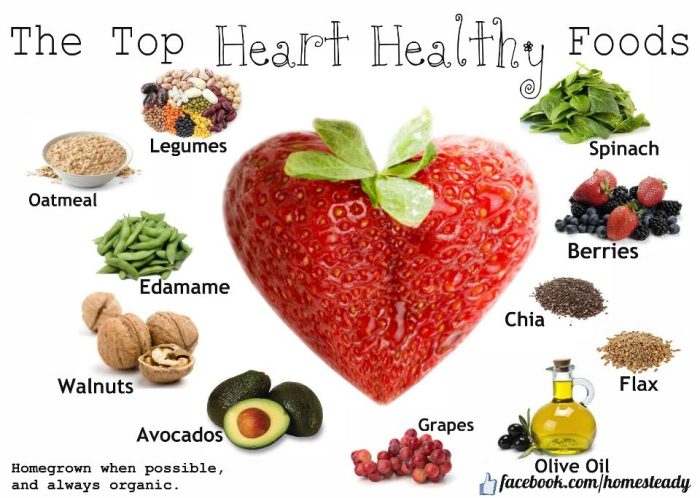
Eating a balanced diet rich in fruits, vegetables, whole grains, and lean proteins is key to promoting cardiovascular health. Include foods high in omega-3 fatty acids, like salmon and walnuts, to reduce inflammation and support heart health. Limit the intake of processed foods, sugary beverages, and saturated fats to maintain a healthy heart.
Emotional Wellbeing
Emotional wellbeing plays a crucial role in our cardiovascular health. Stress, anxiety, and negative emotions can have a significant impact on our heart health, leading to conditions like high blood pressure and heart disease. On the other hand, positive emotions and effective stress management strategies can help improve our overall heart health.
Strategies to Manage Stress Effectively
Effective stress management is essential for a healthier heart. Some strategies to manage stress include:
- Regular exercise: Physical activity can help reduce stress levels and improve overall wellbeing.
- Deep breathing exercises: Practicing deep breathing techniques can help calm the mind and reduce stress.
- Mindfulness meditation: Mindfulness meditation can help increase self-awareness and reduce stress levels.
- Healthy diet: Eating a balanced diet can help support overall health and reduce stress on the body.
Connection Between Positive Emotions and Heart Health
Positive emotions like joy, gratitude, and love have been linked to better heart health. Studies have shown that individuals who experience positive emotions tend to have lower blood pressure, reduced inflammation, and a lower risk of heart disease. Cultivating positive emotions through activities like spending time with loved ones, practicing gratitude, and engaging in hobbies can contribute to a healthier heart.
Healthy Aging: Natural Ways To Boost Cardiovascular Health
As individuals age, cardiovascular health can be impacted by various factors such as a decrease in metabolism, changes in hormone levels, and the accumulation of plaque in the arteries. These changes can lead to an increased risk of heart disease, stroke, and other cardiovascular issues.
Tips for Maintaining Heart Health as You Age
- Stay physically active: Regular exercise can help improve heart function, maintain a healthy weight, and lower blood pressure and cholesterol levels.
- Follow a heart-healthy diet: Incorporate plenty of fruits, vegetables, whole grains, lean proteins, and healthy fats into your meals to support heart health.
- Manage stress: Chronic stress can have a negative impact on heart health, so finding healthy ways to manage stress such as meditation, yoga, or spending time in nature is important.
- Get regular check-ups: Stay on top of your cardiovascular health by scheduling regular visits with your healthcare provider to monitor blood pressure, cholesterol, and other key indicators.
Active Lifestyle
Regular physical activity plays a crucial role in maintaining a healthy heart and overall cardiovascular health. By incorporating an active lifestyle into your routine, you can significantly reduce the risk of heart disease, stroke, and other cardiovascular issues.
Benefits of an Active Lifestyle on Cardiovascular Health
- Improves blood circulation: Physical activity helps to increase blood flow throughout the body, ensuring that the heart receives an adequate supply of oxygen and nutrients.
- Reduces blood pressure: Regular exercise can help lower high blood pressure, which is a major risk factor for heart disease.
- Strengthens the heart muscle: Engaging in activities like aerobic exercises, such as running or swimming, can strengthen the heart muscle and improve its efficiency.
- Manages weight: Being physically active helps to maintain a healthy weight, reducing the strain on the heart and lowering the risk of obesity-related heart problems.
Examples of Physical Activities Beneficial for the Heart
- Brisk walking or jogging
- Cycling
- Swimming
- Dancing
- Aerobics classes
Improving Heart Function through Regular Movement and Exercise
Regular movement and exercise have a direct impact on heart function by:
- Increasing heart rate during physical activity, improving cardiovascular endurance.
- Reducing LDL cholesterol levels and increasing HDL cholesterol levels, promoting heart health.
- Enhancing overall cardiovascular fitness, making the heart more efficient in pumping blood.
Cardiovascular Health
Maintaining cardiovascular health is crucial for overall well-being. Here, we will discuss common risk factors for cardiovascular diseases, the importance of regular check-ups and screenings for heart health, and symptoms that may indicate potential heart issues.
Common Risk Factors for Cardiovascular Diseases
- High blood pressure
- High cholesterol levels
- Smoking
- Obesity
- Lack of physical activity
- Unhealthy diet
Importance of Regular Check-ups and Screenings for Heart Health
Regular check-ups and screenings help in early detection of any heart-related issues, allowing for timely intervention and prevention of complications. It is recommended to have blood pressure, cholesterol, and heart function checked regularly, especially for individuals with a family history of heart disease.
Symptoms Indicating Potential Heart Issues
- Chest pain or discomfort
- Shortness of breath
- Irregular heartbeat
- Dizziness or lightheadedness
- Fatigue
- Swelling in the legs, ankles, or abdomen
Healthy Recipes
Natural ways to boost cardiovascular health – When it comes to promoting cardiovascular health, incorporating heart-healthy recipes into your diet can make a significant difference. These recipes are not only delicious but also packed with nutrients that support your heart health.
Omega-3 Fatty Acids and Heart Health
Omega-3 fatty acids play a crucial role in maintaining heart health. These healthy fats can help reduce inflammation, lower blood pressure, and decrease the risk of heart disease. Include sources of omega-3 fatty acids in your meals, such as fatty fish like salmon, mackerel, or sardines.
Cooking Tips for Heart Health, Natural ways to boost cardiovascular health
- Use olive oil or avocado oil instead of butter or lard when cooking.
- Season your dishes with herbs and spices instead of salt to reduce sodium intake.
- Opt for lean proteins like skinless poultry, beans, or legumes to lower saturated fat content.
- Incorporate plenty of fruits and vegetables into your meals for added fiber and antioxidants.
- Avoid processed foods and opt for homemade meals to have better control over ingredients.
Mental Resilience
Building mental resilience is crucial for maintaining cardiovascular health. The ability to bounce back from challenges, setbacks, and stress can have a positive impact on heart health and overall well-being.
Techniques to Build Mental Toughness
- Practice mindfulness and meditation to reduce stress and promote mental clarity.
- Engage in regular physical exercise to boost endorphins and improve mood.
- Cultivate a strong support system of friends and family to lean on during tough times.
- Set realistic goals and celebrate small victories to build confidence and resilience.
The Connection Between Stress Management and Heart Health
Chronic stress can have a detrimental impact on cardiovascular health, leading to high blood pressure, inflammation, and an increased risk of heart disease. By managing stress through relaxation techniques, healthy coping mechanisms, and seeking support when needed, individuals can protect their heart health and improve overall resilience.
Immune Support
Having a strong immune system is crucial for maintaining overall heart health. The immune system plays a key role in protecting the body from infections and illnesses, which can also impact cardiovascular health.
Boosting Immune System Naturally
- A balanced diet rich in fruits, vegetables, whole grains, and lean proteins provides essential nutrients to support immune function.
- Regular exercise helps to boost the immune system by promoting good circulation and reducing inflammation.
- Getting an adequate amount of quality sleep is crucial for immune function and overall well-being.
- Managing stress through relaxation techniques such as meditation or yoga can also support a healthy immune system.
Stress Relief
In today’s fast-paced world, stress has become a common factor affecting our overall health, including our cardiovascular system. Finding effective ways to manage stress is crucial for maintaining a healthy heart.
Excessive stress can have a negative impact on cardiovascular health, leading to increased blood pressure, heart rate, and the release of stress hormones like cortisol, which can contribute to the development of heart disease. Chronic stress can also lead to unhealthy coping mechanisms such as overeating, smoking, or excessive alcohol consumption, further worsening heart health.
Relaxation Techniques
- Deep breathing exercises: Practice deep breathing by inhaling slowly through your nose, holding for a few seconds, and exhaling slowly through your mouth. This can help calm your mind and reduce stress levels.
- Meditation: Engage in mindfulness meditation to focus your attention and eliminate distractions, promoting relaxation and reducing stress.
- Yoga: Incorporate yoga into your routine, as it combines physical postures, breathing exercises, and meditation to enhance relaxation and reduce stress.
- Progressive muscle relaxation: Tense and then relax each muscle group in your body, starting from your toes and working your way up to your head. This technique can help release tension and promote relaxation.
Creating a Stress-Free Environment
- Set boundaries: Learn to say no to tasks or commitments that cause unnecessary stress and prioritize self-care.
- Practice time management: Organize your schedule to reduce time pressures and allow for breaks throughout the day.
- Stay active: Regular physical activity can help reduce stress levels and improve overall well-being.
- Connect with others: Build a support system of friends and family to share your feelings and seek guidance during stressful times.
Nutritional Balance
Maintaining a balanced diet is crucial for optimal cardiovascular health. The nutrients we consume play a significant role in supporting heart function and overall well-being.
Essential Nutrients for a Healthy Heart
- Omega-3 Fatty Acids: Found in fatty fish, flaxseeds, and walnuts, omega-3 fatty acids help reduce inflammation and lower the risk of heart disease.
- Antioxidants: Vitamins C and E, as well as flavonoids found in fruits and vegetables, help protect the heart by fighting against free radicals.
- Fiber: Found in whole grains, fruits, and vegetables, fiber helps lower cholesterol levels and maintain a healthy weight.
- Potassium: Foods like bananas, sweet potatoes, and spinach are rich in potassium, which helps regulate blood pressure.
- Magnesium: Nuts, seeds, and leafy greens are good sources of magnesium, a mineral that supports heart rhythm and muscle function.
Remember, a variety of nutrient-rich foods is key to achieving a balanced diet that supports heart health.
FAQ Compilation
How important is regular exercise for cardiovascular health?
Regular exercise plays a crucial role in maintaining a healthy heart by improving circulation and strengthening the cardiovascular system.
What are some heart-healthy recipes that can promote cardiovascular health?
Recipes rich in fruits, vegetables, whole grains, and lean proteins are excellent choices to support heart health.
How does stress impact cardiovascular health?
Chronic stress can have negative effects on the heart, increasing the risk of cardiovascular diseases.
What nutrients are essential for a healthy heart?
Key nutrients like omega-3 fatty acids are vital for maintaining heart health and function.
How can mental resilience contribute to better cardiovascular health?
Building mental toughness can help reduce stress levels, leading to a healthier heart in the long run.


More Stories
How to improve mental resilience through physical activity
Importance of hydration for cardiovascular health: Maintaining heart health through proper hydration
How to improve cardiovascular health without a gym – Tips and Tricks for a Healthier Heart