Emotional Wellbeing and Digital Detox
Emotional wellbeing refers to the state of being in good mental and emotional health, where individuals can cope with stress, work productively, build positive relationships, and contribute to their community. It involves understanding and managing emotions effectively, leading to a sense of overall happiness and fulfillment in life.
Digital detox is the practice of intentionally disconnecting from digital devices such as smartphones, computers, and social media platforms for a certain period of time. This detox allows individuals to reduce screen time, minimize distractions, and focus on real-world interactions and activities.
Impact of Excessive Screen Time vs. Limited Screen Time, Emotional wellbeing and the effects of digital detox
Excessive screen time has been linked to various negative effects on emotional health, including increased stress, anxiety, depression, and feelings of isolation. It can lead to a decrease in overall wellbeing and hinder the development of healthy coping mechanisms for dealing with emotions.
On the other hand, limited screen time can have positive impacts on emotional health by reducing stress levels, improving sleep quality, increasing social connections, and enhancing overall mood. By disconnecting from digital devices, individuals can engage in activities that promote relaxation, mindfulness, and creativity.
Activities for Emotional Wellbeing during Digital Detox
- Engaging in physical exercise such as yoga, hiking, or dancing to release endorphins and reduce stress levels.
- Practicing mindfulness and meditation to increase self-awareness, focus on the present moment, and enhance emotional regulation.
- Spending quality time with loved ones by having meaningful conversations, playing games, or enjoying nature together.
- Pursuing hobbies and interests that bring joy and fulfillment, such as painting, gardening, or playing a musical instrument.
- Taking breaks in nature, going for walks, or simply disconnecting to recharge and rejuvenate the mind and body.
Healthy Habits for Emotional Wellbeing
Maintaining emotional wellbeing is crucial for overall health and happiness. Here are some key healthy habits that can contribute to emotional balance:
Establishing a Routine
Emotional wellbeing and the effects of digital detox – Establishing a routine can help create a sense of stability and predictability in your life, which in turn can support emotional wellbeing. By having set times for waking up, eating meals, exercising, and winding down for bed, you can create a structure that promotes a sense of control and calm.
Mindfulness Practices
Incorporating mindfulness practices into your daily life can help you stay present and aware of your thoughts and emotions. Whether it’s through meditation, deep breathing exercises, or simply taking a moment to appreciate your surroundings, mindfulness can help reduce stress and anxiety, leading to better emotional health.
Physical Activity
Engaging in regular physical activity is not only beneficial for your physical health but also plays a significant role in supporting emotional wellbeing. Exercise releases endorphins, also known as “feel-good” hormones, which can help improve your mood and reduce feelings of anxiety and depression. Whether it’s going for a run, attending a yoga class, or simply taking a brisk walk, finding ways to stay active can have a positive impact on your emotional state.
Effects of Digital Detox on Mental Resilience
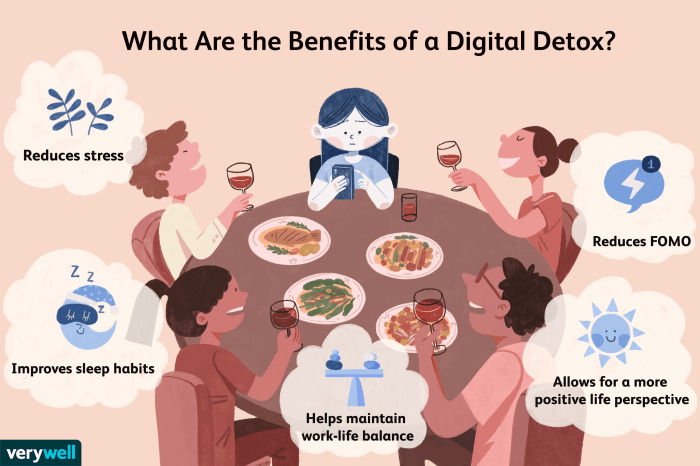
When it comes to mental resilience, digital detox can play a significant role in improving overall well-being. By disconnecting from technology, individuals can experience a range of positive effects on their cognitive function and emotional health.
Improved Cognitive Function
- Reduced distractions: Digital detox allows individuals to focus better on tasks without the constant interruptions from notifications and alerts.
- Enhanced creativity: Disconnecting from screens can spark creativity and encourage innovative thinking.
- Improved memory retention: By taking a break from digital devices, individuals can boost their memory and retention abilities.
Relationship Between Digital Dependency and Mental Health
- Increased anxiety and stress: Over-reliance on technology can lead to heightened levels of anxiety and stress due to constant connectivity.
- Impact on sleep quality: Excessive screen time before bed can disrupt sleep patterns and affect overall mental well-being.
- Comparison and self-esteem: Social media usage can contribute to negative self-comparisons and impact self-esteem, leading to mental health issues.
Strategies for Enhancing Mental Resilience
- Schedule regular digital detox sessions: Setting aside time to disconnect from technology can help rejuvenate the mind and improve mental resilience.
- Engage in mindfulness practices: Mindfulness meditation and breathing exercises can promote emotional well-being and strengthen mental resilience.
- Cultivate real-life connections: Building strong relationships offline can provide a support system and enhance mental resilience in times of need.
Immune Support and Emotional Wellbeing
Maintaining a strong immune system is crucial for overall health and wellbeing. The connection between immune support and emotional health is closely linked, as our emotions and mental state can impact the functioning of our immune system.
Impact of Chronic Stress on the Immune System
Chronic stress, often caused by digital overload and constant exposure to screens, can weaken the immune system over time. When the body is under prolonged stress, it produces cortisol, a hormone that can suppress immune function. This makes us more susceptible to infections and illnesses.
- Ensure to take regular breaks from digital devices to reduce stress levels and support immune health.
- Practice mindfulness and meditation to manage stress and promote a sense of calm.
- Engage in physical activity to boost both your mood and immune system.
Tips for Maintaining a Balanced Diet
A balanced diet plays a significant role in supporting emotional wellbeing and immune function. Consuming a variety of fruits, vegetables, whole grains, and lean proteins can provide essential nutrients that support both aspects of health.
- Include foods rich in antioxidants, such as berries and leafy greens, to help combat inflammation and support immune function.
- Stay hydrated by drinking an adequate amount of water throughout the day to support overall health.
- Avoid excessive consumption of processed foods and sugars, as they can contribute to inflammation and weaken the immune system.
Benefits of Stress-Relief Techniques
Engaging in stress-relief techniques not only helps in managing emotions but also has a positive impact on immune system health. Techniques like deep breathing, yoga, and spending time in nature can reduce stress levels and promote a healthy immune response.
- Practicing deep breathing exercises can help calm the mind and reduce the production of stress hormones that can weaken the immune system.
- Yoga and meditation have been shown to lower inflammation in the body, supporting immune function and overall wellbeing.
- Spending time outdoors and connecting with nature can reduce stress levels and boost immune system activity.
FAQ Compilation: Emotional Wellbeing And The Effects Of Digital Detox
How can digital detox improve mental resilience?
Disconnecting from technology allows our brains to rest and recharge, enhancing our ability to cope with stress and adversity.
What are some examples of activities for a digital detox routine?
Activities like meditation, nature walks, journaling, and engaging in creative hobbies can promote emotional wellbeing during a digital detox.
Can excessive screen time affect emotional health?
Yes, spending too much time on screens can lead to issues like eye strain, disrupted sleep patterns, and increased feelings of anxiety or depression.
How does physical activity support emotional wellbeing?
Exercise releases endorphins, which are known to improve mood and reduce feelings of stress, contributing to better emotional health.


More Stories
How to improve mental resilience through physical activity
Importance of hydration for cardiovascular health: Maintaining heart health through proper hydration
How to improve cardiovascular health without a gym – Tips and Tricks for a Healthier Heart