Healthy Habits
Maintaining healthy habits is crucial for successful aging and overall well-being. By incorporating these habits into your daily routine, you can experience long-term benefits and a higher quality of life.
Regular Exercise
Regular exercise is key to staying healthy as you age. It helps improve cardiovascular health, maintain muscle mass, and boost overall mood and energy levels. Aim for at least 150 minutes of moderate-intensity exercise per week, such as brisk walking, swimming, or cycling.
Healthy Eating
Eating a balanced diet rich in fruits, vegetables, whole grains, lean proteins, and healthy fats is essential for optimal health. Limit processed foods, sugary drinks, and excessive salt intake. Stay hydrated by drinking plenty of water throughout the day.
Adequate Sleep
Quality sleep is important for cognitive function, mood regulation, and overall health. Aim for 7-9 hours of sleep per night and establish a bedtime routine to promote restful sleep. Avoid screens and stimulating activities before bed.
Stress Management
Chronic stress can negatively impact your health and well-being. Practice stress-reducing techniques such as deep breathing, meditation, yoga, or spending time in nature. Prioritize self-care and make time for activities that bring you joy and relaxation.
Regular Health Check-ups
Routine health check-ups and screenings are vital for early detection and prevention of health issues. Stay up to date with vaccinations, screenings for chronic conditions, and regular visits to your healthcare provider. Take proactive steps to maintain your health and well-being as you age.
Emotional Wellbeing
Emotional wellbeing plays a crucial role in aging gracefully and maintaining overall health. As individuals age, they may face various challenges that can impact their emotional health. It is essential to address these issues and prioritize emotional wellbeing to ensure a better quality of life.
Promoting Emotional Wellbeing
- Stay physically active: Regular exercise can help reduce stress, anxiety, and depression, promoting emotional wellbeing.
- Practice mindfulness and relaxation techniques: Techniques like meditation, deep breathing, and yoga can help reduce emotional distress and improve mental clarity.
- Engage in hobbies and activities you enjoy: Pursuing interests and hobbies can provide a sense of purpose and fulfillment, boosting emotional health.
- Seek social support: Maintaining strong social connections with friends, family, and community can help combat feelings of loneliness and isolation.
Role of Social Connections
Social connections are vital for maintaining emotional health as individuals age. Strong relationships with others can provide support, companionship, and a sense of belonging, which are essential for overall wellbeing. Regular social interactions can help reduce feelings of loneliness and depression, improving emotional resilience and mental health.
Healthy Aging
Maintaining good health as we age is crucial for a fulfilling and active life. Healthy aging involves a combination of factors that contribute to overall well-being, including nutrition, lifestyle choices, physical activity, mental stimulation, and emotional well-being.
Key Factors for Healthy Aging
- Proper Nutrition: Eating a balanced diet rich in fruits, vegetables, whole grains, lean proteins, and healthy fats is essential for providing the body with necessary nutrients to function optimally.
- Regular Exercise: Staying physically active helps maintain muscle mass, bone density, and joint flexibility, reducing the risk of chronic diseases such as heart disease, diabetes, and osteoporosis.
- Mental Stimulation: Engaging in activities that challenge the brain, such as puzzles, reading, learning new skills, or social interactions, can help maintain cognitive function and prevent cognitive decline.
- Emotional Well-being: Managing stress, practicing relaxation techniques, fostering social connections, and seeking support when needed are crucial for overall mental health and emotional well-being.
- Adequate Sleep: Getting enough quality sleep is vital for physical and mental restoration, immune function, hormone regulation, and overall well-being.
Daily Routine for Healthy Aging
Healthy aging and nutrition tips – To promote healthy aging, consider incorporating the following into your daily routine:
- Start your day with a nutritious breakfast that includes whole grains, fruits, and protein.
- Stay hydrated by drinking plenty of water throughout the day.
- Incorporate physical activity into your routine, such as walking, yoga, or strength training exercises.
- Eat a variety of colorful fruits and vegetables to ensure you are getting a range of vitamins and minerals.
- Engage in activities that stimulate your mind, such as puzzles, reading, or learning a new hobby.
- Practice relaxation techniques, such as deep breathing or meditation, to manage stress and promote emotional well-being.
- Aim for at least 7-8 hours of quality sleep each night to support overall health and well-being.
Proactive Aging Plan
To age proactively, it’s essential to focus on physical, mental, and emotional well-being:
- Physical Well-being: Regular exercise, proper nutrition, adequate sleep, and preventive health screenings are key components of maintaining physical health as you age.
- Mental Well-being: Engage in activities that challenge your brain, continue learning new skills, stay socially connected, and seek support if you are experiencing mental health concerns.
- Emotional Well-being: Practice stress-management techniques, cultivate positive relationships, prioritize self-care, and seek professional help if needed to address emotional well-being.
Active Lifestyle
Regular physical activity is essential for older adults to maintain a healthy and active lifestyle. Engaging in various activities can have numerous benefits on overall health and wellbeing.
Examples of Activities
- Walking or hiking
- Swimming or water aerobics
- Yoga or tai chi for flexibility and balance
- Strength training with light weights or resistance bands
- Cycling or stationary biking
Benefits of Regular Physical Activity
- Improves cardiovascular health and reduces the risk of heart disease
- Helps maintain a healthy weight and metabolism
- Enhances mood and mental wellbeing
- Increases muscle strength and flexibility
- Reduces the risk of falls and improves balance
Importance of Balance, Flexibility, and Strength Training
Regularly incorporating balance, flexibility, and strength training exercises into a routine is crucial for older adults to maintain an active lifestyle. These types of exercises help improve overall physical function, prevent injuries, and support independence in daily activities.
Cardiovascular Health: Healthy Aging And Nutrition Tips
Maintaining cardiovascular health is crucial for aging adults to prevent heart diseases and other related conditions. A combination of proper nutrition and regular exercise can significantly contribute to a healthy heart.
Foods for Cardiovascular Health
Eating a diet rich in fruits, vegetables, whole grains, and lean proteins can promote cardiovascular health. Foods high in omega-3 fatty acids, such as salmon, walnuts, and flaxseeds, can help reduce inflammation and lower cholesterol levels. Additionally, incorporating foods rich in antioxidants, like berries and dark leafy greens, can protect the heart from oxidative stress.
Exercise and Heart Health
Regular physical activity is essential for maintaining a healthy heart as individuals age. Engaging in aerobic exercises, such as walking, swimming, or cycling, can improve cardiovascular fitness, strengthen the heart muscle, and lower blood pressure. Aim for at least 150 minutes of moderate-intensity exercise per week to support heart health.
Sample Meal Plan for Cardiovascular Health
- Breakfast: Oatmeal topped with berries and almonds
- Snack: Greek yogurt with honey and walnuts
- Lunch: Grilled salmon with quinoa and steamed broccoli
- Snack: Carrot sticks with hummus
- Dinner: Baked chicken with a spinach salad and quinoa
- Snack: Sliced apple with almond butter
Healthy Recipes
When it comes to maintaining a healthy diet for older adults, nutritious recipes play a crucial role. Meal planning and portion control are essential factors to consider for healthy aging. Making simple ingredient substitutions can also help tailor recipes to better suit the needs of aging individuals.
Recipe 1: Quinoa Salad
- Cook 1 cup of quinoa according to package instructions and let it cool.
- Combine quinoa with diced cucumbers, cherry tomatoes, red bell peppers, and parsley in a large bowl.
- Dress the salad with a mixture of olive oil, lemon juice, salt, and pepper.
- Top with crumbled feta cheese and enjoy this nutritious and refreshing salad.
Recipe 2: Baked Salmon with Vegetables
- Preheat the oven to 400°F and line a baking sheet with parchment paper.
- Place salmon fillets on the baking sheet and season with garlic powder, lemon juice, and dill.
- Surround the salmon with a mix of chopped zucchini, yellow squash, and carrots.
- Bake for 15-20 minutes until the salmon is cooked through and the vegetables are tender.
Mental Resilience
Mental resilience is the ability to adapt and bounce back from challenging situations, maintaining a positive outlook on life despite facing adversity. It plays a crucial role in healthy aging as it helps older adults cope with stress, maintain emotional well-being, and navigate life transitions effectively.
Improving Mental Resilience
Engaging in activities such as meditation and mindfulness can significantly improve mental resilience in older adults. These practices promote self-awareness, emotional regulation, and a sense of calmness, helping individuals develop a more positive and resilient mindset.
- Regular Meditation: Practicing meditation daily can reduce stress, anxiety, and negative thinking patterns, enhancing mental resilience and overall well-being.
- Mindfulness Techniques: Incorporating mindfulness into daily activities, such as mindful breathing or body scans, can increase present-moment awareness and foster resilience to challenging situations.
- Gratitude Journaling: Keeping a gratitude journal and reflecting on positive experiences can shift focus towards the good in life, promoting a more optimistic outlook and enhancing resilience.
Impact of Positive Thinking
Positive thinking has a profound impact on mental health and resilience in older adults. By cultivating a positive mindset, individuals can build coping strategies, enhance problem-solving skills, and maintain a sense of hope and optimism even in difficult times.
- Optimism and Resilience: Research suggests that optimistic individuals are better equipped to handle stress, recover from setbacks, and maintain overall well-being as they age.
- Self-Affirmations: Engaging in positive self-talk and affirmations can boost self-confidence, promote resilience, and nurture a more resilient mindset in older adults.
- Social Support: Surrounding oneself with a supportive network of family and friends who encourage positive thinking and resilience can significantly impact mental well-being in the aging population.
Immune Support
Boosting the immune system is crucial for healthy aging, especially for older adults. By focusing on key nutrients and lifestyle factors, individuals can enhance their immune function and overall well-being.
Key Nutrients for Immune Support
- Vitamin C: Known for its antioxidant properties, vitamin C helps in the production of white blood cells, essential for fighting off infections.
- Vitamin D: Plays a vital role in regulating the immune system and reducing inflammation, which is beneficial for overall immunity.
- Zinc: Supports the immune system by helping in the development and function of immune cells.
Lifestyle Factors for Immune Support
- Regular Exercise: Physical activity can boost the immune system by promoting good circulation, which allows immune cells to move freely throughout the body.
- Sufficient Sleep: Quality sleep is crucial for immune function and overall health, as it allows the body to repair and regenerate.
- Stress Management: Chronic stress can weaken the immune system, so practicing relaxation techniques like meditation or yoga can be beneficial.
Connection Between Nutrition, Exercise, and Immune Support, Healthy aging and nutrition tips
- A balanced diet rich in fruits, vegetables, lean proteins, and whole grains provides essential nutrients for immune function.
- Regular exercise not only improves overall health but also enhances immune function by reducing inflammation and promoting circulation.
- Combining nutritious eating habits with physical activity can have a synergistic effect on the immune system, leading to better defense against illnesses.
Stress Relief
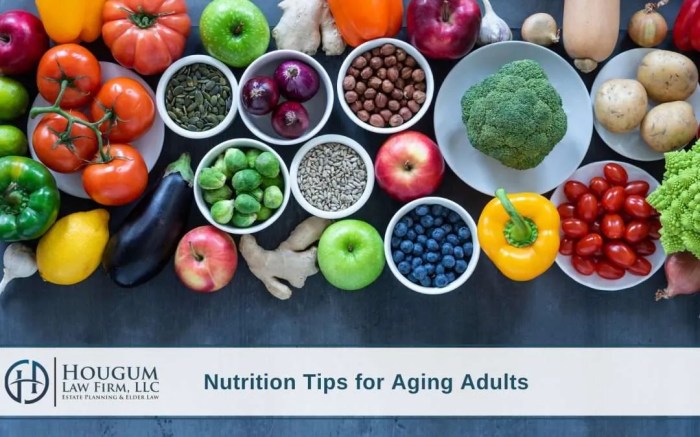
Stress management becomes increasingly important as we age, as chronic stress can have a significant impact on our overall health and well-being. Learning effective techniques to reduce stress can help older adults maintain a higher quality of life and age gracefully.
Relaxation Techniques for Stress Relief
- Practice deep breathing exercises: Taking slow, deep breaths can help calm the mind and body, reducing stress levels.
- Engage in mindfulness meditation: Mindfulness meditation involves focusing on the present moment and can help alleviate stress and anxiety.
- Stay physically active: Regular exercise can release endorphins, which are natural stress relievers, and improve overall mood.
- Connect with loved ones: Spending time with family and friends can provide emotional support and reduce feelings of isolation and stress.
- Engage in hobbies or activities you enjoy: Doing things that bring you joy can help distract from stressors and promote relaxation.
Nutritional Balance
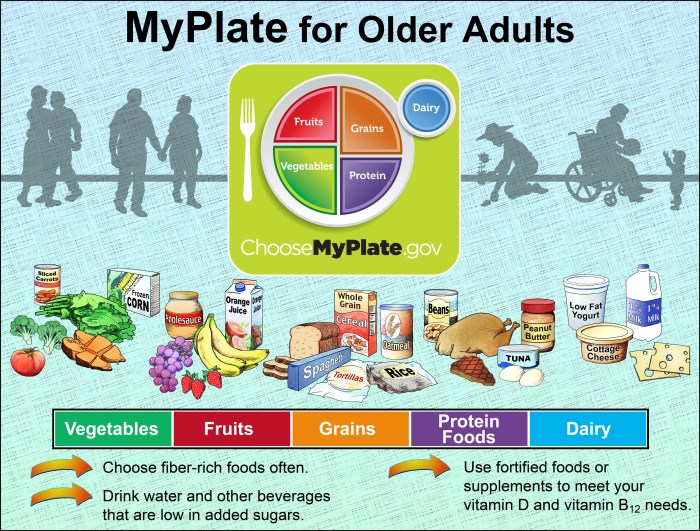
Maintaining a balanced diet is crucial for healthy aging as it provides the necessary nutrients to support overall health and well-being. As individuals age, their nutritional needs may change, making it essential to focus on nutrient-dense foods and proper hydration to promote vitality and longevity.
Nutrient-Dense Foods for Older Adults
- Leafy green vegetables such as spinach, kale, and collard greens are rich in vitamins, minerals, and antioxidants that support brain health and reduce the risk of chronic diseases.
- Fatty fish like salmon, mackerel, and sardines are excellent sources of omega-3 fatty acids, which can help reduce inflammation and improve heart health.
- Colorful fruits like berries, oranges, and apples provide essential vitamins, fiber, and antioxidants that promote immune function and digestive health.
- Whole grains such as quinoa, brown rice, and oats offer fiber, B vitamins, and minerals that support energy levels, digestion, and overall well-being.
- Lean proteins like chicken, turkey, tofu, and beans are important for muscle maintenance, immune function, and satiety.
Hydration and Nutrition for Vitality
Proper hydration is key to maintaining vitality and well-being as individuals age. Water plays a crucial role in digestion, nutrient absorption, temperature regulation, and overall cellular function. In addition to drinking an adequate amount of water each day, older adults should focus on consuming hydrating foods such as fruits, vegetables, and soups to support hydration levels and overall health.
Key Questions Answered
How important is consistency in maintaining healthy habits for long-term benefits?
Consistency is crucial for reaping the long-term benefits of healthy habits as it reinforces positive behavior and contributes to overall well-being over time.
What are some effective strategies for promoting emotional well-being as individuals age?
Engaging in hobbies, maintaining social connections, and seeking professional support are all effective strategies for promoting emotional well-being as individuals age.
What role does hydration play in maintaining vitality and well-being as individuals age?
Hydration is essential for overall health and well-being, especially as we age, as it supports various bodily functions and helps maintain optimal health.


More Stories
Immune support for seniors: Boosting Health and Wellness in Older Adults