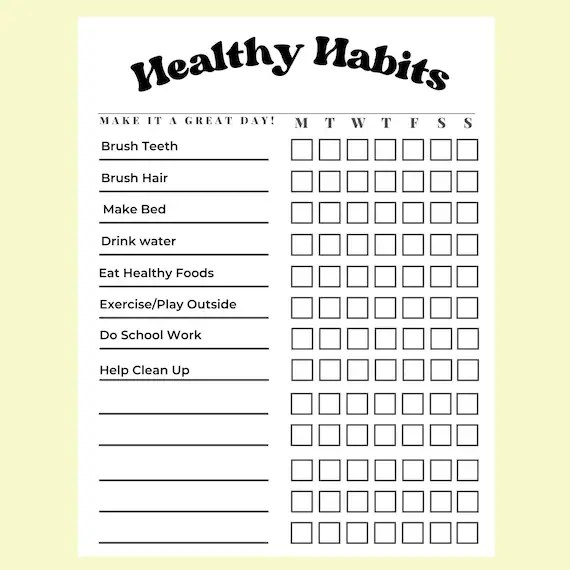
Daily Healthy Habits Checklist
Creating a daily healthy habits checklist can help you stay on track with your wellness goals and maintain a balanced lifestyle. Consistency is key when it comes to incorporating these habits into your routine.
Exercise Regularly
Regular exercise is essential for maintaining good physical health. Aim for at least 30 minutes of moderate exercise each day, such as walking, jogging, or yoga. Find activities you enjoy to make it easier to stick to your exercise routine.
Eat a Balanced Diet
Eating a balanced diet rich in fruits, vegetables, whole grains, and lean proteins is crucial for overall health. Plan your meals ahead of time and focus on nourishing your body with nutrient-dense foods.
Stay Hydrated
Drinking an adequate amount of water throughout the day is important for optimal body function. Keep a water bottle with you at all times and aim to drink at least 8-10 glasses of water daily. Staying hydrated can help improve energy levels and overall well-being.
Get Sufficient Sleep
Prioritize getting 7-9 hours of quality sleep each night to allow your body to rest and recharge. Create a relaxing bedtime routine and avoid screens before bed to improve sleep quality.
Practice Stress Management Techniques
Stress can have a negative impact on both physical and mental health. Incorporate stress management techniques such as deep breathing, meditation, or yoga into your daily routine to help reduce stress levels and improve overall well-being.
Emotional Wellbeing
Maintaining daily healthy habits not only impacts our physical health but also plays a crucial role in our emotional wellbeing. Our emotions are closely connected to our overall health, and by prioritizing activities that promote emotional health, we can improve our quality of life.
Activities for Emotional Health
- Practicing mindfulness and meditation to reduce stress and increase self-awareness.
- Engaging in regular physical exercise to release endorphins and boost mood.
- Cultivating positive relationships with friends and family for emotional support.
- Taking time for hobbies and activities that bring joy and fulfillment.
- Seeking therapy or counseling when needed to address emotional challenges.
Contribution to Health and Productivity
Emotional wellbeing contributes significantly to our overall health and productivity. When we prioritize our emotional health, we are better equipped to handle stress, make sound decisions, and maintain positive relationships. By taking care of our emotional wellbeing, we can enhance our mental clarity, creativity, and resilience, ultimately leading to increased productivity in both our personal and professional lives.
Healthy Aging
Maintaining good health as we age is crucial for overall well-being. Daily habits that support healthy aging play a significant role in ensuring a high quality of life in our later years.
Nutrition and Aging
Proper nutrition is key to healthy aging. As we grow older, our bodies may require fewer calories, but the need for essential nutrients remains crucial. A diet rich in fruits, vegetables, whole grains, lean proteins, and healthy fats can help support overall health and reduce the risk of chronic diseases associated with aging.
Staying Active
Regular physical activity is essential for healthy aging. Engaging in activities like walking, swimming, or yoga can help maintain muscle mass, flexibility, and balance. Exercise also promotes cardiovascular health and can improve mood and cognitive function in older adults.
Maintaining Cognitive Function
Keeping the brain active is vital for maintaining cognitive function as we age. Activities like reading, puzzles, learning new skills, and social interactions can help keep the mind sharp. Additionally, getting an adequate amount of sleep and managing stress are important factors in preserving cognitive health.
Active Lifestyle: Daily Healthy Habits Checklist
Regular physical activity is essential for maintaining overall health and wellbeing. Incorporating exercise into your daily routine can bring about numerous benefits, both physically and mentally. Not only does it help in managing weight and reducing the risk of chronic diseases, but it also boosts mood, energy levels, and cognitive function.
Benefits of an Active Lifestyle
- Improves cardiovascular health and reduces the risk of heart disease.
- Strengthens muscles and bones, promoting better posture and balance.
- Enhances mood by releasing endorphins, reducing stress, and anxiety.
- Boosts energy levels and improves sleep quality.
- Helps in weight management and maintaining a healthy body composition.
Simple Exercises for Daily Routine
- Brisk walking or jogging for at least 30 minutes a day.
- Bodyweight exercises like squats, push-ups, and lunges.
- Yoga or Pilates for flexibility, strength, and relaxation.
- Dancing or aerobics for a fun and engaging workout.
- Cycling or swimming for a low-impact cardio session.
Impact on Overall Health and Wellbeing
Regular physical activity not only improves physical health but also plays a significant role in enhancing mental wellbeing. It can help in reducing symptoms of depression, anxiety, and stress, while also boosting self-esteem and confidence. Additionally, an active lifestyle can improve cognitive function, memory, and overall quality of life, contributing to healthy aging and longevity.
Cardiovascular Health
Improving cardiovascular health through daily healthy habits is crucial for overall well-being. By incorporating simple lifestyle changes, individuals can significantly reduce the risk of heart disease and other related conditions.
Regular Exercise, Daily healthy habits checklist
Engaging in regular physical activity is essential for maintaining a healthy heart. Exercise helps strengthen the heart muscle, improve circulation, and lower blood pressure. Aim for at least 150 minutes of moderate-intensity exercise per week, such as brisk walking, jogging, or cycling.
Balanced Diet
A balanced diet plays a key role in supporting cardiovascular health. Focus on consuming a variety of nutrient-dense foods, including fruits, vegetables, whole grains, lean proteins, and healthy fats. Limit intake of processed foods, sugary beverages, and high-sodium snacks to reduce the risk of heart disease.
Lifestyle Choices
In addition to exercise and diet, certain lifestyle choices can impact cardiovascular health. Avoid smoking and limit alcohol consumption to protect your heart. Manage stress through relaxation techniques, sufficient sleep, and social connections. Regularly monitor your blood pressure, cholesterol levels, and weight to stay informed about your heart health.
Healthy Recipes
When it comes to maintaining overall health and wellness, the food we consume plays a crucial role. Including nutritious recipes in our daily diet can have a significant impact on both our physical and mental wellbeing.
Nutrient-packed Smoothies
Smoothies are a great way to pack in vitamins, minerals, and antioxidants in one delicious drink. Try blending spinach, banana, berries, and almond milk for a nutrient-packed breakfast or snack.
Quinoa Salad with Roasted Vegetables
Quinoa is a complete protein and a great source of fiber, while roasted vegetables add flavor and nutrients. Mix cooked quinoa with roasted bell peppers, zucchini, cherry tomatoes, and a sprinkle of feta cheese for a satisfying and healthy meal.
Grilled Salmon with Asparagus
Salmon is rich in omega-3 fatty acids, which are beneficial for heart health. Grill a salmon fillet and serve it with roasted asparagus drizzled with olive oil and a squeeze of lemon for a nutritious and delicious dinner option.
Mental Resilience
Building mental resilience is crucial for maintaining overall wellbeing. It involves developing the ability to bounce back from challenges and setbacks, and to adapt positively to stressors in life. Mental resilience is closely linked to mindset and plays a significant role in shaping our health and happiness.
Strategies for Building Mental Resilience
- Practice mindfulness and meditation to increase self-awareness and manage stress levels.
- Engage in regular physical exercise to boost endorphins and improve mood.
- Cultivate a strong support system by connecting with friends, family, or a therapist.
- Foster a growth mindset by viewing challenges as opportunities for growth and learning.
- Set realistic goals and break them down into manageable steps to build confidence and motivation.
Immune Support
Having a strong immune system is crucial for overall health and well-being. Daily habits play a significant role in boosting the immune system and keeping illnesses at bay.
Healthy Foods for Immunity
- Eat a variety of fruits and vegetables rich in vitamins and antioxidants.
- Incorporate probiotics like yogurt and kefir to support gut health.
- Include garlic, ginger, and turmeric in your meals for their immune-boosting properties.
- Stay hydrated by drinking plenty of water throughout the day.
Activities for Immune Support
- Engage in regular exercise to improve circulation and strengthen the immune system.
- Get enough sleep to allow your body to rest and repair itself.
- Practice stress-reducing activities like yoga, meditation, or deep breathing exercises.
- Stay connected with loved ones and maintain a strong support system.
Importance of a Strong Immune System
A well-functioning immune system not only defends the body against infections but also plays a role in reducing inflammation and promoting healing. By supporting your immune system through healthy habits, you can enhance your body’s ability to fight off illnesses and maintain optimal health.
Stress Relief
Managing and reducing stress on a daily basis is crucial for maintaining overall health and wellbeing. Chronic stress can have a detrimental impact on both physical and mental health, leading to a variety of health issues. Creating a calming daily routine can help reduce stress levels and improve overall quality of life.
Techniques for Stress Relief
- Practice deep breathing exercises to calm the mind and body.
- Engage in regular physical activity to release endorphins and reduce stress.
- Try mindfulness meditation to focus on the present moment and alleviate stress.
- Spend time in nature to rejuvenate and relax the mind.
- Connect with loved ones for emotional support and a sense of belonging.
Impact of Chronic Stress
- Chronic stress can weaken the immune system, making individuals more susceptible to illnesses.
- It can contribute to the development of chronic conditions such as heart disease, high blood pressure, and digestive issues.
- Mental health can also be affected, leading to anxiety, depression, and other psychological disorders.
Tips for Creating a Calming Daily Routine
- Start your day with a healthy breakfast and set aside time for self-care activities.
- Establish a regular sleep schedule to ensure adequate rest and rejuvenation.
- Incorporate relaxation techniques such as yoga or tai chi into your daily routine.
- Avoid overcommitting yourself and learn to say no when necessary.
- Practice gratitude and positive affirmations to shift your mindset towards positivity.
Nutritional Balance
Nutritional balance refers to consuming a variety of foods in appropriate portions to provide the necessary nutrients for our bodies to function optimally. It is essential for maintaining good health and preventing diseases.
Guidelines for Creating Balanced Meals and Snacks
- Include a variety of food groups in your meals such as fruits, vegetables, whole grains, lean proteins, and healthy fats.
- Aim to fill half your plate with fruits and vegetables to ensure a good intake of vitamins, minerals, and fiber.
- Choose whole grains over refined grains for sustained energy and better digestion.
- Incorporate lean proteins like chicken, fish, tofu, or legumes to support muscle growth and repair.
- Include healthy fats from sources like avocados, nuts, seeds, and olive oil for heart health and brain function.
Benefits of Maintaining a Balanced Diet
- Improved energy levels and overall wellbeing.
- Reduced risk of chronic diseases such as heart disease, diabetes, and certain cancers.
- Enhanced immune function to better fight off infections and illnesses.
- Healthy weight management and better control of blood sugar levels.
- Support for mental clarity and focus throughout the day.
Common Queries
How do daily healthy habits impact overall well-being?
Consistent daily healthy habits contribute to improved physical, mental, and emotional well-being. They form the foundation for a healthier lifestyle and increased productivity.
What are some practical tips for integrating these habits into daily life?
Start small, set achievable goals, create a routine, and stay motivated by tracking your progress. Remember, consistency is key in maintaining these habits.
Why is emotional well-being important in relation to daily healthy habits?
Emotional well-being is closely linked to physical health. Engaging in activities that promote emotional wellness can enhance overall quality of life and contribute to better health outcomes.
How can I boost my immune system through daily habits?
Eating a balanced diet, getting regular exercise, managing stress, and ensuring an adequate intake of essential nutrients are key factors in boosting immune function.
What role does nutritional balance play in maintaining overall health?
Nutritional balance is essential for providing the body with the necessary nutrients for optimal function and well-being. It supports various bodily processes and helps prevent chronic diseases.


More Stories
Create a Balanced Meal Plan for Wellness
Hydration: A Key to Strong Immune Support
Mental Health: A Key to Healthy Aging