Importance of Hydration for Cardiovascular Health
Importance of hydration for cardiovascular health – Proper hydration plays a crucial role in maintaining cardiovascular health. Our heart and blood vessels depend on an adequate intake of fluids to function optimally.
Impact of Dehydration on the Heart and Blood Vessels
When the body is dehydrated, the blood becomes thicker and more difficult to pump, putting added strain on the heart. Dehydration can also lead to a decrease in blood volume, which in turn reduces the amount of oxygen and nutrients reaching the cells in the body, including those in the heart and blood vessels.
Preventing Cardiovascular Issues through Proper Hydration
- Proper hydration helps maintain normal blood circulation, ensuring that the heart can effectively pump blood throughout the body.
- By staying hydrated, the risk of high blood pressure is reduced, as dehydration can cause blood vessels to constrict and increase blood pressure.
- Fluid intake also helps prevent the formation of blood clots, which can lead to serious cardiovascular events like heart attacks and strokes.
- Hydration supports the body’s ability to regulate body temperature, preventing overheating and reducing the risk of cardiovascular stress.
Healthy Habits for Hydration: Importance Of Hydration For Cardiovascular Health
Staying hydrated throughout the day is crucial for maintaining optimal cardiovascular health. Incorporating water-rich foods into your diet and establishing a hydration routine can help you achieve this goal.
Practical Tips for Staying Hydrated
- Carry a reusable water bottle with you wherever you go to ensure easy access to water.
- Set reminders on your phone or use an app to prompt you to drink water regularly throughout the day.
- Drink a glass of water before each meal to help you stay hydrated and aid digestion.
- Opt for water instead of sugary drinks like soda or juice to avoid unnecessary added sugars.
Incorporating Water-Rich Foods into Your Diet
Consuming foods with high water content can contribute to your overall hydration levels. Some examples of water-rich foods include:
| Food | Water Content (%) |
|---|---|
| Cucumbers | 96% |
| Watermelon | 92% |
| Spinach | 91% |
Establishing a Hydration Routine
- Start your day with a glass of water to kickstart your hydration.
- Drink water at regular intervals throughout the day, aiming for at least 8-10 glasses.
- Monitor your urine color – pale yellow indicates good hydration levels.
- Include hydrating beverages like herbal teas or infused water for variety.
Emotional Wellbeing and Hydration
Emotional wellbeing is closely linked to hydration levels in the body. Dehydration can have a significant impact on mood and stress levels, affecting overall emotional balance.
Impact of Hydration on Mood and Stress Levels
Proper hydration plays a crucial role in regulating mood and stress levels. When the body is dehydrated, it can lead to feelings of irritability, anxiety, and even depression. Hydration is essential for maintaining a healthy balance of neurotransmitters in the brain, which are responsible for regulating emotions.
- Drinking an adequate amount of water throughout the day can help in improving mood and reducing stress.
- Staying hydrated can enhance cognitive function, leading to better decision-making and problem-solving abilities.
- Dehydration can exacerbate feelings of fatigue and lethargy, impacting overall emotional wellbeing.
Strategies for Maintaining Emotional Balance through Hydration
Here are some strategies to ensure you stay properly hydrated for optimal emotional wellbeing:
- Carry a reusable water bottle with you throughout the day to remind yourself to drink water regularly.
- Set reminders on your phone or computer to take water breaks and hydrate yourself.
- Incorporate hydrating foods such as fruits and vegetables into your diet to supplement your water intake.
- Avoid excessive consumption of caffeinated or sugary beverages, as they can contribute to dehydration.
- Listen to your body’s signals of thirst and drink water whenever you feel thirsty.
Healthy Aging and Hydration
As we age, staying hydrated becomes even more crucial for maintaining overall health and wellbeing. Dehydration can have severe effects on aging-related conditions and quality of life for seniors.
Role of Hydration in Healthy Aging
Proper hydration is essential for seniors as it helps in maintaining cognitive function, supporting digestion, regulating body temperature, and improving joint health. Adequate hydration also plays a key role in preventing urinary tract infections and reducing the risk of falls among the elderly.
Effects of Dehydration on Aging
- Increased risk of cardiovascular issues such as hypertension and stroke
- Decline in kidney function and urinary problems
- Worsening of joint pain and arthritis symptoms
- Impaired cognitive function and increased risk of dementia
Tips for Seniors to Ensure Adequate Hydration, Importance of hydration for cardiovascular health
It can be challenging for seniors to stay hydrated, but there are simple strategies they can follow to maintain proper fluid intake:
- Carry a reusable water bottle and sip on water throughout the day
- Include hydrating foods in the diet such as fruits, vegetables, and soups
- Avoid excessive caffeine and alcohol consumption, as they can contribute to dehydration
- Set reminders to drink water regularly, especially if forgetfulness is an issue
- Consult a healthcare provider for personalized hydration recommendations based on individual health conditions
Active Lifestyle and Hydration
Staying hydrated is crucial for individuals leading an active lifestyle, as physical activity increases the body’s need for water to maintain optimal performance and overall health.
Guidelines for Hydration During Physical Activity
- Before: Drink about 17-20 ounces of water 2-3 hours before exercise to ensure proper hydration.
- During: Consume 7-10 ounces of water every 10-20 minutes during exercise to replace fluids lost through sweat.
- After: Rehydrate with 8 ounces of water within 30 minutes after exercise and continue to drink water to replenish fluid loss.
Impact of Hydration on Exercise Performance and Recovery
Maintaining adequate hydration levels can significantly impact exercise performance and recovery. Dehydration can lead to decreased endurance, muscle cramps, fatigue, and impaired cognitive function during physical activity. Proper hydration helps regulate body temperature, transport nutrients, and remove waste from the body, ultimately enhancing overall performance and reducing the risk of injury.
Cardiovascular Health and Hydration
Hydration plays a crucial role in maintaining cardiovascular health. Proper hydration can have specific benefits for the heart and overall circulatory system.
Benefits of Hydration for Cardiovascular Health
- Ensures an adequate blood volume: Staying hydrated helps maintain the right amount of blood in the body, which is essential for optimal heart function.
- Supports proper circulation: Adequate hydration helps the heart pump blood more efficiently throughout the body, improving circulation.
- Regulates blood pressure: Proper hydration can help prevent spikes in blood pressure, reducing the risk of hypertension and related cardiovascular issues.
Hydration Strategies for Heart Health
- Drink plenty of water throughout the day: Aim to consume at least 8-10 glasses of water daily to stay adequately hydrated.
- Include hydrating foods in your diet: Foods with high water content, such as fruits and vegetables, can contribute to your overall hydration levels.
- Avoid excessive caffeine and alcohol: These substances can lead to dehydration, so it’s important to limit their consumption for heart health.
Healthy Recipes for Hydration
Staying hydrated is crucial for overall health, including cardiovascular health. Incorporating hydrating beverages and water-rich meals into your diet is a delicious way to ensure you meet your daily hydration needs. Below are some healthy recipes to help you stay hydrated and nourished:
Cucumber Mint Infused Water
Infused water is a refreshing way to stay hydrated without added sugars or artificial flavors. Simply slice a cucumber and a few sprigs of fresh mint, add them to a pitcher of water, and let it sit in the fridge for a few hours to allow the flavors to infuse. Enjoy this cool and refreshing drink throughout the day.
Watermelon Feta Salad
This colorful and flavorful salad is a perfect combination of hydrating watermelon and salty feta cheese. Simply cube watermelon, crumble feta cheese on top, and add some fresh mint leaves for a burst of flavor. Drizzle with balsamic glaze for a sweet and tangy finish.
Coconut Water Smoothie
Blend coconut water with your favorite fruits like berries, banana, and spinach for a hydrating and nutrient-packed smoothie. Coconut water is naturally rich in electrolytes, making it a great post-workout drink to replenish lost fluids and minerals.
Mental Resilience and Hydration
Proper hydration is not only crucial for physical health but also plays a significant role in mental resilience. Hydration directly impacts cognitive function, focus, and overall mental well-being.
Supporting Cognitive Function
- Hydration is essential for maintaining optimal brain function, as the brain is made up of about 73% water. Dehydration can lead to cognitive impairment, affecting memory, attention, and decision-making abilities.
- Drinking enough water throughout the day can help improve concentration, problem-solving skills, and overall mental clarity.
Enhancing Focus
- Staying properly hydrated can boost focus and alertness, making it easier to stay on task and avoid distractions.
- Dehydration can lead to feelings of fatigue and lack of focus, impacting productivity and performance.
Techniques for Mental Resilience through Hydration
- Set reminders or use a water tracking app to ensure you are drinking an adequate amount of water daily.
- Carry a reusable water bottle with you wherever you go to make it easy to stay hydrated throughout the day.
- Incorporate hydrating foods such as fruits and vegetables into your diet to supplement your water intake.
- Practice mindful drinking by savoring each sip of water and being present in the moment.
Immune Support and Hydration
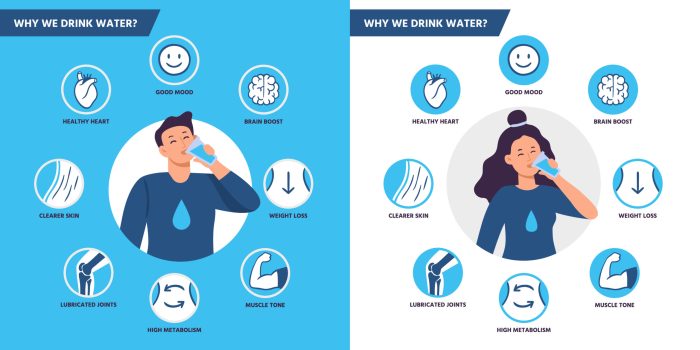
Maintaining proper hydration is crucial for supporting a strong immune system. Dehydration can weaken the immune response, making the body more susceptible to infections and illnesses. By staying adequately hydrated, you can help your immune system function optimally and better protect your health.
Benefits of Hydration for Immune Health
- Hydration helps in the production of lymph, a fluid that carries infection-fighting white blood cells throughout the body.
- Proper hydration supports the mucous membranes in the respiratory and digestive tracts, acting as a barrier against pathogens.
- Water is essential for the elimination of toxins from the body, reducing the burden on the immune system.
Immune-Boosting Drinks and Foods
- Water: The most essential hydrating drink for overall health and immune function.
- Herbal teas: Chamomile, ginger, and green teas are rich in antioxidants that can help boost the immune system.
- Citrus fruits: Oranges, lemons, and grapefruits are high in vitamin C, which is known to enhance immune function.
- Broth-based soups: Soups made with bone broth are hydrating and contain immune-boosting nutrients like zinc and gelatin.
- Coconut water: A natural source of electrolytes, coconut water can help maintain hydration levels and support immune health.
Stress Relief and Hydration
Stress relief is essential for maintaining overall well-being, and hydration plays a crucial role in managing stress levels effectively.
Impact of Dehydration on Stress and Anxiety
Dehydration can exacerbate stress and anxiety symptoms, leading to increased feelings of tension and irritability. When the body lacks proper hydration, it can impact cognitive function and mood regulation, making it harder to cope with daily stressors.
Relaxation Techniques for Stress Relief
- Practice deep breathing exercises to calm the mind and reduce stress levels. Deep breathing can help oxygenate the brain and promote relaxation.
- Engage in mindfulness meditation to enhance awareness of the present moment and alleviate stress. Mindfulness can help you stay grounded and focused, reducing feelings of anxiety.
- Take regular breaks to hydrate throughout the day. Drinking water not only replenishes essential fluids but also provides a moment of pause to reset and rehydrate both the body and mind.
- Combine hydration with activities like yoga or gentle stretching to release tension from the body and promote relaxation. Staying hydrated during physical activity is key to maintaining energy levels and reducing stress.
Nutritional Balance and Hydration
Hydration plays a crucial role in maintaining overall nutritional balance by supporting the body’s ability to absorb and utilize essential nutrients from food.
Hydration and Nutrient Absorption
Proper hydration is essential for optimal nutrient absorption in the body. Water helps transport nutrients to cells, aiding in their absorption and utilization. Without adequate hydration, nutrient absorption can be compromised, impacting overall health.
Examples of Hydration Supporting a Well-Rounded Diet
- Drinking water before meals can help control portion sizes and prevent overeating, promoting a balanced diet.
- Hydrating with electrolyte-rich beverages can replenish essential minerals lost during exercise, supporting muscle recovery and overall performance.
- Consuming water-rich foods like fruits and vegetables can contribute to hydration levels while providing essential vitamins, minerals, and antioxidants for overall health.
FAQ Corner
How does hydration affect cardiovascular health?
Proper hydration helps regulate blood pressure, circulation, and overall heart health.
What are some practical tips for staying hydrated?
Drink water throughout the day, consume water-rich foods, and establish a hydration routine.


More Stories
How to improve mental resilience through physical activity
How to improve cardiovascular health without a gym – Tips and Tricks for a Healthier Heart
Natural ways to boost cardiovascular health: Tips for a Strong Heart