Running Tips for Beginners to Stay Active
Running is a fantastic way to stay active and improve your overall health. For beginners, it’s essential to start off on the right foot by having the proper gear and equipment, incorporating warm-up and cool-down routines, setting realistic goals, and engaging in various types of running workouts.
Essential Gear and Equipment
- Comfortable running shoes with good cushioning and support
- Moisture-wicking clothing to stay dry and comfortable
- A supportive sports bra for female runners
- A hydration belt or water bottle to stay hydrated
- A running watch or app to track progress
Importance of Warm-Up and Cool-Down
Running tips for beginners to stay active – Before starting your run, it’s crucial to warm up your muscles to prevent injuries. A dynamic warm-up routine can include leg swings, arm circles, and light jogging. Cooling down after your run with stretches helps reduce muscle soreness and improve flexibility.
Setting Realistic Goals
Setting achievable goals is key for beginner runners. Start with manageable distances and gradually increase the intensity and duration of your runs. Celebrate small victories along the way to stay motivated and focused on your progress.
Types of Running Workouts
- Interval Training: Alternating between periods of running and walking to build endurance
- Long Slow Distance (LSD) Runs: Consistent, steady runs at a comfortable pace to improve stamina
- Hill Repeats: Running uphill to strengthen leg muscles and improve speed
- Tempo Runs: Maintaining a challenging pace for a sustained period to boost cardiovascular fitness
Healthy Habits: Running Tips For Beginners To Stay Active
Running is a fantastic way to stay active, but it’s essential to adopt healthy habits to support your running routine. From fueling your body with the right snacks to staying hydrated and incorporating strength training, here are some tips to help beginners maintain a healthy lifestyle while running.
Pre-Run Snacks
Before heading out for a run, it’s crucial to fuel your body with the right snacks to provide energy and prevent fatigue. Opt for snacks that are easy to digest and rich in carbohydrates and a bit of protein. Some examples of healthy pre-run snacks include:
- Whole grain toast with nut butter
- Fruit smoothie with yogurt
- Oatmeal topped with fruits and nuts
Hydration Benefits
Staying hydrated is key to maintaining optimal performance and preventing dehydration during your runs. Make sure to drink water before, during, and after your run to stay hydrated. Hydration benefits include:
- Improved performance and endurance
- Regulation of body temperature
- Prevention of muscle cramps and fatigue
Rest Days Importance
Rest days are just as important as running days in a training routine. They allow your body to recover and adapt to the stress of running, reducing the risk of injury. Make sure to incorporate rest days into your schedule to:
- Prevent burnout and overtraining
- Promote muscle repair and growth
- Boost overall performance and energy levels
Strength Training Incorporation
Incorporating strength training alongside running can help improve overall fitness and prevent injuries. Focus on exercises that target your core, legs, and upper body to build strength and stability. Some tips to incorporate strength training include:
- Include bodyweight exercises like squats, lunges, and planks
- Add resistance training with weights or resistance bands
- Balance strength training with your running schedule for optimal results
Emotional Wellbeing
Running is not only beneficial for physical health but also has a positive impact on mental wellbeing. The act of running can help reduce stress, anxiety, and even symptoms of depression, promoting a more positive mindset and overall emotional state.
Reducing Stress and Anxiety
- Running releases endorphins, also known as “feel-good” hormones, which can help alleviate stress and improve mood.
- Engaging in regular physical activity like running can act as a natural stress reliever, allowing individuals to clear their minds and focus on the present moment.
- Creating a routine and setting achievable goals while running can provide a sense of accomplishment and control, reducing feelings of anxiety.
Staying Motivated and Positive Mindset
- Find a running buddy or join a running group to stay motivated and accountable.
- Listen to uplifting music or podcasts while running to boost your mood and keep a positive mindset.
- Set realistic and specific goals for your runs to maintain motivation and track progress.
Overcoming Mental Barriers
- Practice positive self-talk and affirmations to combat negative thoughts and self-doubt during runs.
- Focus on the process and enjoy the journey rather than solely focusing on the end goal.
- Use visualization techniques to imagine yourself successfully completing runs and overcoming challenges.
Healthy Aging

Running is a fantastic way to promote healthy aging, as it helps improve cardiovascular health, maintain muscle mass, and boost overall mental wellbeing. As we grow older, staying active becomes even more crucial to maintaining a high quality of life.
Injury Prevention and Recovery
- Start with a proper warm-up and cool-down routine to prevent strains and injuries.
- Listen to your body and don’t push yourself too hard – it’s important to allow for proper recovery time.
- Incorporate strength training exercises to improve muscle strength and reduce the risk of injury.
- Consider cross-training with low-impact activities like swimming or cycling to give your joints a break.
Adjusting Running Routines
- Shorten your running distance or duration if you’re feeling fatigued or experiencing joint pain.
- Include more rest days in your weekly routine to allow for adequate recovery time.
- Focus on maintaining a consistent running schedule rather than pushing for speed or distance.
- Consult with a healthcare provider or a running coach for personalized advice on adjusting your running routine.
Proper Nutrition for Older Runners
- Stay hydrated before, during, and after your runs to support muscle function and recovery.
- Include a balance of carbohydrates, proteins, and healthy fats in your diet to fuel your runs and aid in muscle repair.
- Incorporate foods rich in antioxidants and anti-inflammatory properties to support overall health and recovery.
- Consider consulting with a nutritionist to create a personalized nutrition plan that meets your specific needs as an older runner.
Active Lifestyle
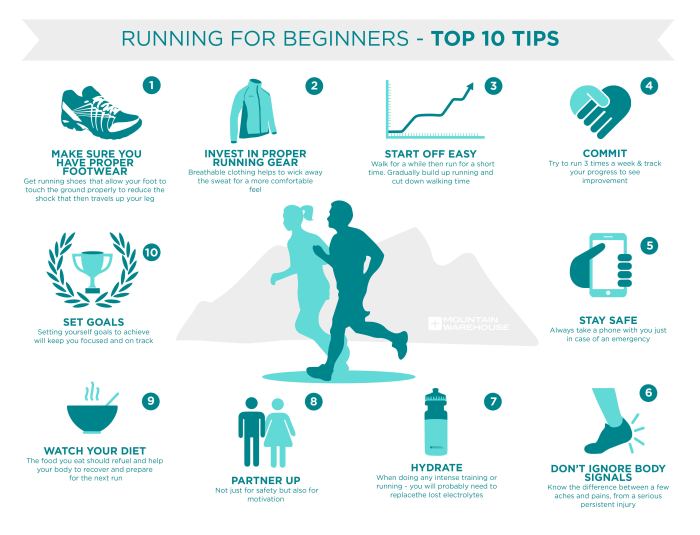
Running is a fantastic way to kickstart an active lifestyle, but incorporating other activities into your routine can enhance your overall fitness level and keep things interesting. Cross-training is a great way to complement your running routine, providing a well-rounded approach to fitness.
Incorporating Cross-Training
- Try cycling or swimming on alternate days to give your body a break from running while still staying active.
- Include strength training exercises to improve muscle tone and prevent injuries while running.
- Yoga or Pilates can help improve flexibility and balance, benefiting your overall running performance.
Scheduling Workouts
- Set a weekly schedule that includes both running days and cross-training activities to maintain a balanced routine.
- Listen to your body and adjust your schedule as needed to prevent burnout or overtraining.
- Consider early morning or evening workouts to fit exercise into your daily routine without interrupting other commitments.
Benefits of Consistency
- Consistent exercise helps build endurance and strength over time, leading to improved performance in running and other activities.
- Regular physical activity can boost your mood, reduce stress levels, and improve overall mental well-being.
- Maintaining an active lifestyle can contribute to healthy aging by supporting cardiovascular health and maintaining muscle mass.
Cardiovascular Health
Running is a fantastic way to improve cardiovascular health as it strengthens the heart, increases lung capacity, and improves circulation throughout the body. Regular running can reduce the risk of heart disease, lower blood pressure, and improve overall heart function.
Target Heart Rate Zones for Beginners
- Aim to keep your heart rate within 50-70% of your maximum heart rate when starting out.
- As you progress, gradually increase your heart rate to 70-85% of your maximum heart rate to improve cardiovascular fitness.
- Monitor your heart rate during runs using a fitness tracker or by checking your pulse to ensure you are in the target zones.
Gradually Increasing Running Intensity, Running tips for beginners to stay active
- Start with a mix of walking and running to build endurance and avoid overexertion.
- Gradually increase the duration and intensity of your runs by incorporating intervals or hill training.
- Listen to your body and allow for proper rest and recovery between runs to prevent injury and improve cardiovascular fitness.
Long-Term Benefits of Running for Heart Health
- Regular running can reduce the risk of heart disease, stroke, and other cardiovascular conditions.
- Improves cholesterol levels, lowers blood pressure, and helps maintain a healthy weight, all of which contribute to a healthy heart.
- Running also promotes better circulation, which can reduce the risk of blood clots and improve overall heart function over time.
Healthy Recipes
After a good run, it’s essential to refuel your body with the right nutrients. Here are some post-run meal ideas to help you recover and replenish your energy levels.
The Importance of a Balanced Diet for Runners
Runners need a balanced diet to support their training and performance. A mix of carbohydrates, proteins, healthy fats, vitamins, and minerals is crucial for optimal running performance and overall health.
Nutrient-Dense Foods for Runners
- Leafy greens like spinach and kale packed with vitamins and minerals necessary for recovery and muscle repair.
- Lean proteins such as chicken, fish, tofu, or beans to support muscle growth and repair.
- Whole grains like quinoa, brown rice, and oats for sustained energy levels.
- Fruits like berries, bananas, and oranges rich in antioxidants and vitamins to boost immunity.
Homemade Energy Bars and Snacks
When you’re on the go, having homemade energy bars or snacks can provide a quick and convenient source of fuel. Here’s a simple recipe for homemade energy bars:
Mix together oats, nuts, dried fruits, honey, and a dash of cinnamon. Press the mixture into a pan, refrigerate until firm, and cut into bars for a delicious and nutritious snack.
Mental Resilience
In the journey of a beginner runner, mental resilience plays a crucial role in overcoming challenges and staying motivated. Developing a positive mindset and pushing through mental barriers are essential for long-term success in running.
Strategies for Pushing Through Mental Barriers
- Acknowledge and accept negative thoughts: Recognize negative thoughts and emotions during a run, but don’t let them control your actions.
- Focus on the present moment: Concentrate on your breathing, stride, and surroundings to stay grounded and focused.
- Use positive self-talk: Encourage yourself with affirmations like “I can do this” or “I am strong” to boost confidence.
- Visualize success: Imagine yourself crossing the finish line or achieving your running goals to stay motivated and determined.
Developing a Positive Mindset for Running Success
- Set realistic goals: Break down your running goals into smaller, achievable targets to track progress and celebrate victories along the way.
- Practice gratitude: Appreciate the opportunity to run and focus on the positive aspects of your journey, even during challenging moments.
- Stay consistent: Establish a routine and stick to it, even when you don’t feel like running, to build discipline and mental strength.
- Seek support: Connect with other runners, join a running group, or work with a coach to stay motivated and accountable.
Setting and Achieving Running Goals
- Define specific goals: Whether it’s completing a certain distance, improving your pace, or participating in a race, set clear objectives to strive towards.
- Create a plan: Artikel the steps needed to reach your goals, including training schedules, rest days, and nutrition guidelines.
- Track progress: Monitor your performance, record personal bests, and adjust your plan as needed to stay on track and motivated.
- Celebrate achievements: Recognize and celebrate milestones along your running journey to boost confidence and reinforce positive habits.
Immune Support
Regular exercise, such as running, plays a crucial role in strengthening the immune system. By engaging in physical activity, beginner runners can boost their overall immune health and reduce the risk of illnesses.
Tips for Maintaining a Healthy Immune System
- Aim for consistent moderate-intensity workouts to support immune function without overexerting yourself.
- Stay hydrated before, during, and after your runs to help your body flush out toxins and support immune response.
- Ensure an adequate intake of essential nutrients like vitamin C, vitamin D, and zinc to enhance immune function.
- Get enough quality sleep as rest is crucial for immune system recovery and overall health.
Importance of Rest and Recovery
Rest and recovery are essential for maintaining a strong immune system. Taking rest days in between runs allows your body to repair and strengthen, reducing the risk of immune suppression due to excessive physical exertion.
Immune-Boosting Foods for Runners
Incorporate the following immune-boosting foods into your diet to support your overall health:
- Leafy greens like spinach and kale, rich in antioxidants and vitamins.
- Citrus fruits such as oranges and grapefruits for a vitamin C boost.
- Probiotic-rich foods like yogurt and kefir to promote gut health, linked to immune function.
- Garlic, known for its immune-boosting properties and anti-inflammatory effects.
Stress Relief
Running is not only beneficial for physical health but also plays a crucial role in reducing stress levels and promoting emotional well-being for beginners. The act of running can serve as a powerful stress-reliever, helping individuals manage and alleviate daily stressors effectively.
Link Between Running and Reduced Stress Levels
- Engaging in physical activity like running releases endorphins, also known as “feel-good” hormones, which can help reduce stress and improve mood.
- Regular running can decrease the production of cortisol, the stress hormone, leading to a more balanced and calmer state of mind.
- Running provides an opportunity to disconnect from everyday worries, allowing beginners to focus on the present moment and clear their minds.
Using Running for Mindfulness and Stress Management
- Practice mindful running by paying attention to your breathing, the rhythm of your steps, and the sensations in your body as you run. This can help you stay present and reduce stress.
- Use running as a form of meditation by letting go of negative thoughts and focusing on the physical act of running. This can promote relaxation and mental clarity.
- Incorporate stress-relief techniques such as deep breathing exercises or visualization while running to enhance the calming effects and reduce stress levels further.
Finding Balance Between Running and Relaxation
- Avoid overtraining and allow your body to rest and recover adequately between runs. Balancing physical activity with relaxation is essential for preventing burnout and maintaining mental well-being.
- Include activities like yoga, meditation, or gentle stretching in your routine to complement your running regimen and promote overall relaxation and stress relief.
- Prioritize self-care practices such as adequate sleep, healthy nutrition, and time for relaxation to support your running efforts and enhance stress management effectively.
Nutritional Balance
Proper nutrition plays a crucial role in supporting a beginner runner’s training. A balanced diet is essential to fuel running performance and overall health. In addition to providing energy, nutrients from food help with muscle repair, recovery, and endurance.
Macronutrients and Micronutrients for Runners
- Carbohydrates: These are the primary source of energy for running. Opt for complex carbs like whole grains, fruits, and vegetables to sustain energy levels.
- Proteins: Essential for muscle repair and growth. Lean protein sources such as chicken, fish, beans, and nuts can aid in recovery post-run.
- Fats: Healthy fats like those found in avocados, nuts, and olive oil provide sustained energy and support overall health.
- Vitamins and Minerals: Important for various functions in the body, including immune support and energy production. Include a variety of fruits, vegetables, and whole foods to ensure you’re getting a range of nutrients.
Hydration and Electrolyte Balance
Proper hydration is key for runners to maintain performance and prevent dehydration. Electrolytes, such as sodium and potassium, are essential for fluid balance and muscle function. Remember to drink water consistently throughout the day and consider electrolyte-rich beverages for longer runs or intense workouts.
FAQ Insights
What gear is essential for beginners?
Beginners should invest in good running shoes, moisture-wicking clothing, and a comfortable sports watch for tracking progress.
How can beginners set realistic goals?
Start with achievable targets like running a certain distance or completing a specific workout. Gradually increase the difficulty as you progress.
Why is mental resilience important for beginner runners?
Mental resilience helps runners push through challenges, stay motivated, and maintain a positive mindset during their running journey.


More Stories
Best Exercises for Beginners to Kickstart an Active Lifestyle
Top Fitness Routine for Cardiovascular Health and Stamina