Nutritional Balance Tips for Vegetarians
Maintaining a balanced diet as a vegetarian is crucial for overall health and well-being. By focusing on key nutrients, vegetarians can ensure they are meeting their nutritional needs to stay healthy and energized.
Key Nutrients for Vegetarians
- Protein: Vegetarians can get protein from sources such as beans, lentils, tofu, and nuts to support muscle growth and repair.
- Iron: Incorporating iron-rich foods like spinach, lentils, and fortified cereals can help prevent anemia.
- Calcium: To maintain strong bones, include calcium-rich foods like dairy alternatives, fortified plant milks, and leafy greens in your diet.
- Vitamin B12: Since B12 is primarily found in animal products, consider taking a supplement or consuming fortified foods like nutritional yeast or plant-based milks.
- Omega-3 fatty acids: Include sources like flaxseeds, chia seeds, walnuts, and algae-based supplements to support heart and brain health.
Potential Challenges for Vegetarians, Nutritional balance tips for vegetarians
- Protein intake: Vegetarians need to ensure they are consuming an adequate amount of protein daily to support muscle function and overall health.
- Vitamin deficiencies: Without proper planning, vegetarians may be at risk of deficiencies in nutrients like B12, iron, and calcium, which are essential for various bodily functions.
- Avoiding processed foods: While convenient, relying on processed vegetarian options may lead to consuming excess sodium, sugar, and unhealthy fats, impacting overall health.
Healthy Habits
Maintaining healthy habits is crucial for a balanced vegetarian lifestyle. By incorporating mindful eating practices and proper meal planning, you can ensure you are getting all the necessary nutrients your body needs to thrive.
Meal Planning and Mindful Eating
Meal planning is essential for vegetarians to ensure they are consuming a variety of nutrients. By planning your meals ahead of time, you can make sure you are including a good mix of fruits, vegetables, whole grains, and plant-based proteins in your diet. This helps prevent nutrient deficiencies and promotes overall health.
Remember to listen to your body’s hunger and fullness cues. Eating slowly and savoring each bite can help you better appreciate the flavors and textures of your food, as well as prevent overeating.
Staying Hydrated
Hydration is key to maintaining good health, and water intake plays a crucial role in overall well-being. As a vegetarian, it is important to stay hydrated throughout the day to support digestion, nutrient absorption, and the elimination of waste products from the body.
- Carry a reusable water bottle with you to ensure you have access to water wherever you go.
- Set reminders to drink water regularly, especially if you tend to forget to hydrate throughout the day.
- Incorporate hydrating foods like fruits and vegetables into your meals to boost your water intake.
- Aim to drink at least 8-10 glasses of water per day, or more if you are physically active.
Emotional Wellbeing
Maintaining emotional wellbeing is crucial for overall health, and nutrition plays a significant role in supporting mental health for vegetarians.
Impact of Certain Foods on Mood and Mental Health
Certain foods can have a direct impact on mood and mental health. For example, foods rich in omega-3 fatty acids, such as walnuts and flaxseeds, have been linked to improved mood and reduced symptoms of depression. On the other hand, consuming excessive amounts of processed foods high in sugar and unhealthy fats may lead to mood swings and decreased mental clarity.
- Include whole grains, fruits, vegetables, and plant-based proteins in your diet to support stable blood sugar levels, which can help regulate mood.
- Opt for foods rich in antioxidants, such as berries and dark leafy greens, to reduce inflammation in the body, which has been associated with depression.
- Incorporate fermented foods like yogurt, kefir, and sauerkraut to promote gut health, as the gut-brain connection is crucial for mental wellbeing.
Tips for Supporting Emotional Wellbeing Through Diet
Emotional wellbeing can be supported through mindful food choices and a balanced vegetarian diet.
- Practice mindful eating to fully enjoy and appreciate your meals, which can help reduce stress and improve overall mood.
- Stay hydrated by drinking an adequate amount of water throughout the day, as dehydration can impact cognitive function and mood.
- Aim to get a variety of nutrients from different plant-based sources to ensure you are meeting your nutritional needs for optimal mental health.
Healthy Aging
Proper nutrition plays a crucial role in promoting healthy aging for vegetarians. By consuming a variety of nutrient-dense foods, vegetarians can support their overall health and well-being as they age gracefully.
Antioxidant-Rich Foods
Antioxidants are essential for combating oxidative stress and reducing inflammation, both of which can contribute to aging-related issues. Vegetarians can incorporate the following antioxidant-rich foods into their diet:
- Berries: Blueberries, raspberries, and strawberries are excellent sources of antioxidants like vitamin C and flavonoids.
- Dark leafy greens: Spinach, kale, and Swiss chard are packed with antioxidants such as vitamin E and beta-carotene.
- Nuts and seeds: Almonds, walnuts, chia seeds, and flaxseeds provide antioxidants like vitamin E and selenium.
Nutrients for Muscle Mass and Bone Health
Maintaining muscle mass and bone health is essential for healthy aging. Vegetarians can ensure they are getting an adequate intake of nutrients like protein, calcium, and vitamin D through plant-based sources:
- Protein: Legumes, tofu, tempeh, and quinoa are excellent plant-based sources of protein that can help support muscle mass.
- Calcium: Dark leafy greens, fortified plant milks, almonds, and sesame seeds are rich in calcium for bone health.
- Vitamin D: Mushrooms, fortified plant-based yogurt, and fortified plant milks can provide vitamin D to support bone health.
Active Lifestyle
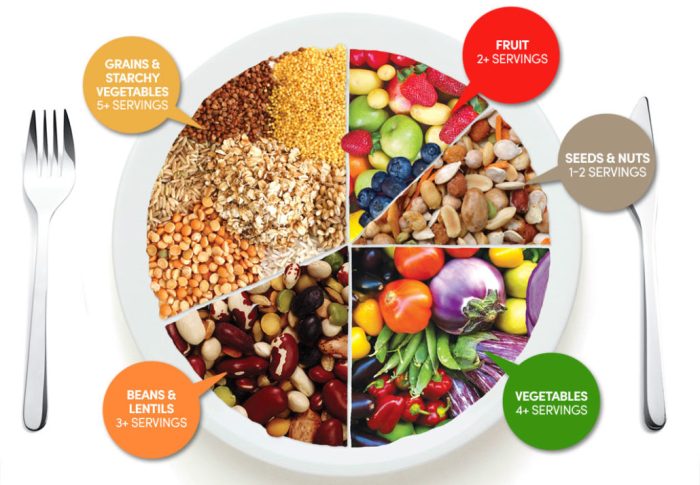
Nutritional balance tips for vegetarians – Having an active lifestyle is crucial for maintaining overall health and well-being. For vegetarians, proper nutrition plays a significant role in supporting energy levels and physical activity.
Importance of Balanced Meals
Consuming balanced meals is essential for vegetarians looking to maintain an active lifestyle. A well-rounded diet ensures that the body receives all the necessary nutrients to fuel physical activity and support overall health.
Pre- and Post-Workout Nutrition Tips
- Before a workout, focus on consuming carbohydrates for quick energy, such as whole grains, fruits, and vegetables. Additionally, include a source of protein, like legumes or tofu, for muscle repair and recovery.
- After a workout, replenish energy stores with a combination of carbohydrates and protein. Opt for a balanced meal or snack that includes whole foods like quinoa, nuts, seeds, and leafy greens.
- Stay hydrated before, during, and after exercise to support optimal performance and recovery.
Cardiovascular Health
When it comes to cardiovascular health, following a vegetarian diet can have numerous benefits. By incorporating heart-healthy foods and essential nutrients, individuals can reduce the risk of heart disease and maintain overall heart health.
Impact of Vegetarian Diets on Heart Health
Vegetarian diets are typically rich in fruits, vegetables, whole grains, nuts, and seeds, which are all beneficial for heart health. These plant-based foods are high in fiber, antioxidants, and phytochemicals, which can help lower cholesterol levels, reduce inflammation, and improve blood pressure.
Role of Specific Nutrients
- Omega-3 fatty acids: Found in chia seeds, flaxseeds, walnuts, and algae-based supplements, omega-3s can help reduce the risk of heart disease by lowering triglyceride levels and decreasing inflammation.
- Antioxidants: Vitamins C and E, as well as selenium and zinc, act as antioxidants that protect the heart from oxidative stress and damage.
- Potassium: Found in bananas, sweet potatoes, and beans, potassium helps regulate blood pressure and reduce the risk of stroke.
Incorporating Heart-Healthy Foods
It’s essential for vegetarians to include a variety of heart-healthy foods in their diet, such as:
- Fatty fish alternatives like tofu, tempeh, and edamame for protein and omega-3s.
- Leafy greens like spinach, kale, and Swiss chard for antioxidants and fiber.
- Whole grains like quinoa, brown rice, and oats for fiber and nutrients.
- Healthy fats like avocados, olive oil, and nuts for heart health benefits.
Healthy Recipes
When following a vegetarian diet, it’s essential to ensure that your meals are both nutritious and balanced. Here are some recipe ideas and tips to help you maintain a healthy vegetarian lifestyle:
Breakfast
- Quinoa Breakfast Bowl: Cook quinoa and top it with fresh fruits, nuts, and a drizzle of honey for a protein-packed start to your day.
- Avocado Toast: Mash avocado on whole-grain toast and add toppings like cherry tomatoes, feta cheese, and a sprinkle of sesame seeds for a satisfying breakfast.
Lunch
- Veggie Stir-Fry: Sauté your favorite vegetables with tofu or tempeh in a flavorful sauce and serve over brown rice for a quick and healthy lunch option.
- Greek Salad Wrap: Fill a whole-grain wrap with mixed greens, olives, feta cheese, cucumbers, and a drizzle of tzatziki sauce for a refreshing and filling meal.
Dinner
- Vegetarian Chili: Simmer kidney beans, black beans, tomatoes, corn, and spices for a hearty and nutritious dinner that can be enjoyed on its own or over a baked potato.
- Eggplant Parmesan: Layer slices of breaded and baked eggplant with marinara sauce and mozzarella cheese for a delicious and comforting vegetarian twist on a classic dish.
Meal Prepping Tips
- Plan your meals for the week ahead to ensure you have all the ingredients you need on hand.
- Cook in batches and portion out meals for easy grab-and-go options throughout the week.
Mental Resilience
Maintaining mental resilience is essential for overall well-being, and nutrition plays a crucial role in supporting cognitive function and reducing stress levels in vegetarian individuals. A well-balanced diet rich in specific nutrients can significantly impact mental clarity, focus, and emotional stability.
Foods for Stress Reduction and Cognitive Function
- Include omega-3 fatty acids found in flaxseeds, chia seeds, walnuts, and algae-based supplements to reduce inflammation and support brain health.
- Consume antioxidant-rich foods like berries, dark leafy greens, and colorful vegetables to combat oxidative stress and protect brain cells.
- Incorporate magnesium sources such as legumes, nuts, seeds, and whole grains to regulate neurotransmitter function and promote relaxation.
- Opt for complex carbohydrates like whole grains and sweet potatoes to provide a steady release of energy and stabilize mood.
Creating a Diet for Mental Clarity and Focus
- Focus on a variety of whole foods to ensure a wide range of nutrients that support brain function.
- Stay hydrated by drinking enough water throughout the day to maintain cognitive performance and prevent fatigue.
- Avoid excessive consumption of processed foods, refined sugars, and caffeine, which can negatively impact mood and mental well-being.
- Plan balanced meals with a mix of protein, healthy fats, complex carbohydrates, and fiber to sustain energy levels and enhance concentration.
Immune Support
Vegetarian diets play a crucial role in supporting a strong immune system by providing essential nutrients that help the body fight off infections and diseases. By incorporating a variety of plant-based foods, vegetarians can ensure they are getting the necessary vitamins, minerals, and antioxidants to boost their immune health.
Vitamins and Minerals for Immune Health
- Vitamin C: Found in fruits like oranges, strawberries, and kiwi, vitamin C is essential for immune function and helps protect against infections.
- Vitamin E: Nuts, seeds, and leafy greens are good sources of vitamin E, which acts as an antioxidant to support immune function.
- Vitamin D: Fortified plant-based milk, mushrooms, and sun exposure can help vegetarians maintain optimal levels of vitamin D for immune support.
- Zinc: Legumes, nuts, seeds, and whole grains are rich in zinc, which plays a key role in immune cell function and wound healing.
Boosting Immunity Through Diet and Lifestyle
- Include a variety of colorful fruits and vegetables in your meals to get a range of antioxidants and phytochemicals that support immune health.
- Incorporate fermented foods like yogurt, kefir, and kimchi to promote a healthy gut microbiome, which is linked to immune function.
- Stay hydrated, get regular exercise, manage stress levels, and prioritize quality sleep to strengthen your immune system and overall health.
Stress Relief
In today’s fast-paced world, stress has become a common factor affecting everyone’s lives. For vegetarians, maintaining a balanced diet that helps in managing stress levels is crucial. Let’s explore the connection between nutrition, stress, and coping mechanisms for vegetarians.
Foods for Stress Reduction
Eating a well-balanced diet rich in certain nutrients can help reduce stress and promote relaxation. Some foods that are known to have a calming effect include:
- Green leafy vegetables like spinach and kale, which are high in magnesium known to relax muscles and calm the nerves.
- Fatty fish like salmon and tuna, rich in omega-3 fatty acids that can reduce anxiety and improve mood.
- Whole grains such as quinoa and oats, which help in stabilizing blood sugar levels and promoting a sense of calmness.
- Nuts and seeds like almonds and pumpkin seeds, packed with antioxidants and healthy fats that support brain health and reduce stress.
Creating a Calming Diet Plan
To effectively manage stress levels through diet, it’s important to create a calming diet plan. Here are some tips to consider:
- Include a variety of colorful fruits and vegetables to ensure a good intake of vitamins, minerals, and antioxidants.
- Opt for whole grains and legumes to provide a steady release of energy throughout the day.
- Limit caffeine and sugar intake as they can increase feelings of anxiety and stress.
- Stay hydrated by drinking plenty of water, herbal teas, or infused water with fruits and herbs.
FAQ Compilation
How can vegetarians ensure they are getting enough protein?
Vegetarians can obtain protein from sources like tofu, tempeh, lentils, beans, and quinoa to meet their daily requirements.
Are there any specific nutrients vegetarians need to pay extra attention to?
Vegetarians should focus on getting enough iron, calcium, vitamin B12, omega-3 fatty acids, and vitamin D through supplements or fortified foods.
Can a vegetarian diet provide all the necessary nutrients for optimal health?
With proper planning and variety in food choices, a vegetarian diet can indeed meet all nutritional needs for overall well-being.
How can vegetarians address concerns about vitamin deficiencies?
Regularly monitoring nutrient levels through blood tests and incorporating fortified foods or supplements can help vegetarians prevent deficiencies.
What are some easy ways for vegetarians to boost their energy levels?
Consuming a balanced diet rich in whole grains, fruits, vegetables, and plant-based proteins can help vegetarians maintain high energy levels throughout the day.


More Stories
Healthy snacks for stress relief: Nourishing Your Mind and Body