Healthy Habits
Incorporating stress relief and mindfulness practices into daily routines is essential for overall well-being. These habits can help reduce anxiety, improve focus, and promote emotional balance in our lives. By incorporating healthy habits, we can create a more positive and balanced lifestyle.
Examples of Healthy Habits
- Regular exercise: Physical activity can help reduce stress and improve mood by releasing endorphins, also known as “feel-good” hormones.
- Healthy eating: Consuming a balanced diet rich in fruits, vegetables, whole grains, and lean proteins can provide essential nutrients for optimal brain function and emotional well-being.
- Sleep hygiene: Establishing a consistent sleep schedule and practicing good sleep habits can improve overall mood and reduce stress levels.
- Mindfulness meditation: Engaging in mindfulness practices such as meditation or deep breathing exercises can help calm the mind and reduce anxiety.
Tips for Integrating Mindfulness
Practice mindfulness during daily activities such as eating, walking, or even washing dishes. Focus on the present moment and be fully aware of your actions without judgment.
- Start your day with a few minutes of mindfulness meditation to set a positive tone for the day.
- Take short breaks throughout the day to check in with yourself and practice deep breathing exercises to release tension.
- Engage in mindful listening during conversations by giving your full attention to the speaker without distractions.
Emotional Wellbeing
Stress relief techniques are closely tied to emotional health as they help individuals manage and reduce feelings of anxiety, frustration, and overwhelm. By incorporating practices like deep breathing, meditation, or exercise, individuals can calm their minds and bodies, leading to a more balanced emotional state.
Mindfulness practices play a significant role in enhancing emotional resilience by increasing self-awareness and fostering a sense of presence in the moment. When individuals practice mindfulness, they learn to observe their thoughts and emotions without judgment, which can help them respond to challenging situations with greater clarity and composure.
Positive Impact of Stress Relief on Emotional Wellbeing
- Reduced Anxiety: Engaging in stress relief activities can lower anxiety levels and promote a sense of calmness.
- Improved Mood: By managing stress effectively, individuals often experience improved mood and a more positive outlook on life.
- Enhanced Relationships: When individuals are less stressed, they are better able to communicate and connect with others, leading to stronger relationships.
- Increased Resilience: Regular practice of stress relief techniques can build emotional resilience, allowing individuals to bounce back from setbacks more easily.
Healthy Aging
Stress relief and mindfulness practices play a crucial role in promoting healthy aging by helping individuals manage the physical, emotional, and mental challenges that come with getting older. These practices can enhance overall wellbeing and quality of life as we age.
Maintaining Mental Resilience and Emotional Balance
As we age, it becomes increasingly important to focus on maintaining mental resilience and emotional balance. Here are some tips to help achieve this:
- Engage in regular physical activity to boost mood and cognitive function.
- Practice mindfulness meditation to reduce stress and improve emotional regulation.
- Stay socially connected with friends and family to combat feelings of isolation.
- Seek professional help or counseling if needed to address any mental health concerns.
Role of Mindfulness in Promoting Cognitive Function
Mindfulness has been shown to be beneficial for cognitive function in older adults. By practicing mindfulness techniques such as meditation and deep breathing exercises, individuals can improve attention, memory, and overall cognitive abilities. This can lead to better mental clarity, decision-making, and overall wellbeing in the aging process.
Active Lifestyle: Stress Relief And Mindfulness Practices
Stress relief practices can significantly enhance physical activity and performance by reducing tension in the body, improving focus, and increasing energy levels. When stress is managed effectively, individuals are more likely to engage in regular exercise and maintain a healthy lifestyle.
Benefits of Combining Mindfulness with Exercise
Practicing mindfulness alongside exercise can lead to a more active lifestyle by promoting awareness of body movements, breathing, and sensations. This combination helps individuals stay present during physical activities, enhancing performance and reducing the risk of injuries.
- Mindful walking or running: Focusing on each step and breath can help alleviate stress while boosting cardiovascular health.
- Yoga and meditation: Integrating mindfulness practices with yoga poses and meditation can improve flexibility, strength, and mental clarity.
- Dance fitness classes: Engaging in dance routines mindfully can uplift mood, increase coordination, and provide a fun way to relieve stress.
Cardiovascular Health
Stress can have a significant impact on cardiovascular health, increasing the risk of heart disease, high blood pressure, and other related conditions. Mindfulness practices play a crucial role in reducing this impact by helping individuals manage stress levels effectively.
Benefits of Stress Relief for Heart Health
- Reducing stress can lower blood pressure and decrease the risk of heart disease.
- Practicing mindfulness techniques can improve heart rate variability, which is linked to better cardiovascular health.
- Stress relief practices promote better sleep quality, which is essential for overall heart health.
Tips for Incorporating Mindfulness into Daily Routine, Stress relief and mindfulness practices
- Start your day with a short mindfulness meditation to set a positive tone for the day.
- Take short breaks throughout the day to focus on your breath and bring your attention back to the present moment.
- Practice gratitude by reflecting on things you are thankful for, which can help reduce stress and improve heart health.
- Engage in physical activities like yoga or walking mindfully to combine exercise with mindfulness for a healthy heart.
Healthy Recipes
Incorporating stress-relieving ingredients into your meals can have a positive impact on your overall well-being and mindfulness practices. By focusing on nutritional balance and choosing ingredients that promote relaxation, you can support your mental and emotional health through the food you eat.
Recipes for Relaxation
- Green Tea and Lavender Smoothie: Blend green tea, lavender, banana, and spinach for a calming and antioxidant-rich drink.
- Salmon with Lemon and Dill: Baked salmon seasoned with lemon and dill provides omega-3 fatty acids and vitamin D for mood support.
- Quinoa Salad with Chickpeas and Avocado: A protein-packed salad with quinoa, chickpeas, avocado, and a lemon vinaigrette for a satisfying and nutritious meal.
Mental Resilience
Mindfulness practices play a crucial role in enhancing mental resilience and coping mechanisms. By cultivating mindfulness, individuals can develop the ability to stay present, acknowledge their thoughts and emotions without judgment, and respond to challenges in a more balanced and effective manner.
Techniques for Developing Mental Resilience
- Practice deep breathing exercises to calm the mind and reduce stress levels.
- Engage in regular meditation sessions to improve focus, clarity, and emotional regulation.
- Utilize visualization techniques to envision positive outcomes and build a sense of inner strength.
- Establish a daily gratitude practice to shift focus towards the positive aspects of life.
- Engage in physical exercise to release endorphins and boost overall mood and resilience.
Immune Support
Stress relief practices play a crucial role in boosting immune function and overall health. When we are stressed, our body releases cortisol, a hormone that can suppress the immune system. By engaging in stress relief techniques such as mindfulness and relaxation exercises, we can lower cortisol levels and support our immune system.
Impact of Mindfulness on Immune Support
Mindfulness practices have been shown to have a positive impact on immune support and resilience. By reducing stress and promoting relaxation, mindfulness can help regulate the immune response and enhance the body’s ability to fight off infections and illnesses.
- Practicing mindfulness meditation daily can reduce inflammation in the body, which is linked to a stronger immune system.
- Deep breathing exercises can help improve lung function and oxygenation, supporting the immune system’s ability to function optimally.
- Being present in the moment and focusing on gratitude can boost positive emotions, which have been associated with a stronger immune response.
Tips for Maintaining a Healthy Immune System
Engaging in stress reduction techniques is key to maintaining a healthy immune system. Here are some tips to support immune health through stress relief practices:
- Practice yoga or tai chi to combine physical activity with mindfulness for a holistic approach to immune support.
- Get enough quality sleep to allow your body to rest and repair, promoting immune function.
- Connect with nature through outdoor activities or simply spending time in green spaces to reduce stress and support overall well-being.
Stress Relief
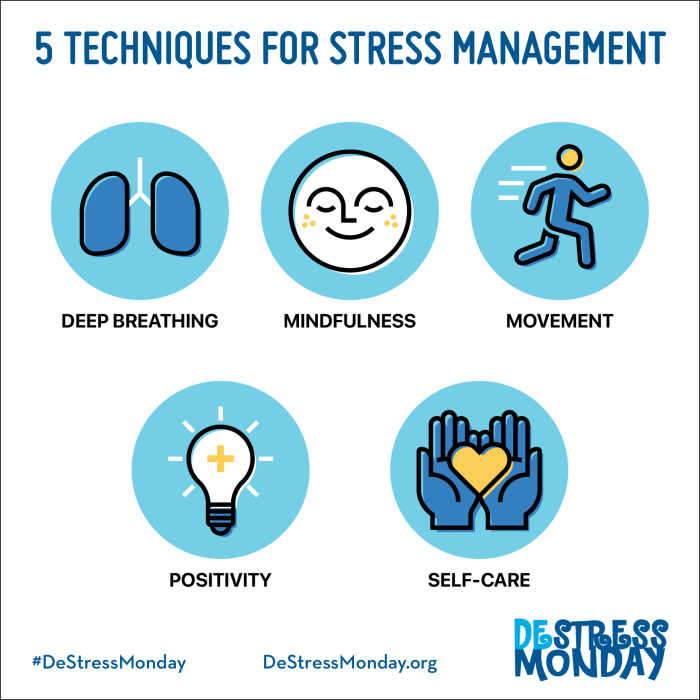
Stress relief is crucial for maintaining overall well-being and mental health. It involves various methods and techniques that can help individuals manage and reduce stress levels effectively.
Different Methods of Stress Relief
- Exercise: Engaging in physical activity releases endorphins, which are natural mood lifters.
- Mindfulness and Meditation: Practicing mindfulness helps in focusing on the present moment and reducing anxiety.
- Deep Breathing: Taking deep breaths can help calm the nervous system and reduce stress.
- Journaling: Writing down thoughts and feelings can provide a sense of release and clarity.
The Importance of Personalized Stress Relief Techniques
Stress relief and mindfulness practices – Finding personalized stress relief techniques is essential as what works for one person may not work for another. It is important to explore different methods and find what resonates best with your individual needs and preferences.
Positive Outcomes of Incorporating Stress Relief Practices
Many individuals have experienced significant improvements in their mental and emotional well-being after incorporating stress relief practices into their daily routine. They report feeling more relaxed, focused, and better equipped to handle life’s challenges.
Nutritional Balance
Maintaining a well-balanced diet is essential for supporting stress relief, mindfulness, and overall mental health. The food we eat plays a crucial role in regulating our mood, energy levels, and cognitive function.
Importance of Nutritional Balance
Having a diet rich in nutrients can help reduce feelings of anxiety and stress, as well as improve mental clarity and focus. Here are some tips on achieving nutritional balance to support stress relief and mindfulness:
- Aim to include a variety of fruits, vegetables, whole grains, lean protein, and healthy fats in your meals.
- Avoid excessive consumption of processed foods, sugary snacks, and caffeine, as they can negatively impact your mood and energy levels.
- Stay hydrated by drinking plenty of water throughout the day, as dehydration can lead to feelings of fatigue and irritability.
- Consider incorporating foods rich in omega-3 fatty acids, such as salmon, walnuts, and chia seeds, which have been linked to improved mental health.
- Practice mindful eating by paying attention to your hunger cues and savoring each bite, which can help reduce stress and promote better digestion.
Clarifying Questions
How often should I practice mindfulness for effective stress relief?
Consistency is key when it comes to mindfulness practice. Aim for at least a few minutes each day to experience its full benefits.
Can stress relief practices help improve sleep quality?
Absolutely! Techniques like deep breathing and meditation can calm the mind and body, leading to better sleep.
Are there specific foods that can aid in stress relief?
Foods rich in magnesium, omega-3 fatty acids, and antioxidants are known to have stress-relieving properties. Incorporate them into your diet for added benefits.


More Stories
Healthy Habits: Stress Reduction & Emotional Well-being