Introduction to Mental Resilience in Relationships
How to cultivate mental resilience in relationships – When we talk about mental resilience in relationships, we refer to the ability to bounce back from challenges, conflicts, and setbacks while maintaining a positive outlook and healthy emotional state within the relationship.
Cultivating mental resilience is crucial for building and sustaining healthy relationships because it allows individuals to navigate through tough times, communicate effectively, and adapt to changes without compromising the bond with their partner.
Benefits of Mental Resilience in Relationships
- Enhanced Communication: Individuals with mental resilience can express their thoughts and emotions in a constructive manner, leading to better understanding and conflict resolution in relationships.
- Increased Empathy: Being mentally resilient enables individuals to empathize with their partners’ perspectives, fostering a deeper connection and mutual support.
- Adaptability: Resilient individuals can adapt to different situations and challenges, which is essential for maintaining a healthy and dynamic relationship.
- Stress Management: Mental resilience helps in managing stress effectively, preventing it from affecting the relationship negatively.
Building Healthy Habits for Mental Resilience
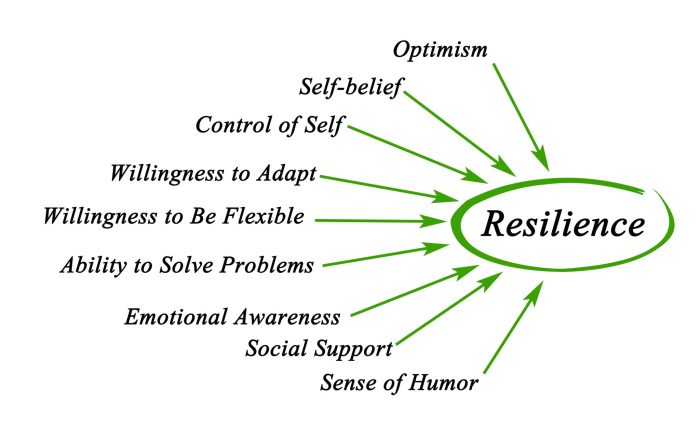
Developing healthy habits is essential for building mental resilience in relationships. By incorporating specific strategies into your daily routine, you can strengthen your ability to navigate challenges and maintain a positive mindset. Consistency and mindfulness practices play a crucial role in enhancing mental resilience and fostering healthy relationships.
The Role of Routine and Consistency
Creating a consistent routine can help you establish a sense of stability and predictability in your daily life. This can contribute to a greater sense of control and reduce stress levels, ultimately promoting mental resilience. By setting aside time for self-care, exercise, and relaxation, you can prioritize your well-being and build a strong foundation for navigating relationship challenges.
Incorporating Mindfulness Practices
Mindfulness practices, such as meditation and deep breathing exercises, can help you cultivate a greater sense of awareness and presence in your relationships. By being mindful of your thoughts and emotions, you can respond to challenges in a more thoughtful and intentional manner. Consider incorporating mindfulness practices into your daily routine, such as starting your day with a brief meditation session or taking short mindfulness breaks throughout the day. These practices can help you stay grounded and resilient in the face of relationship stressors.
Enhancing Emotional Wellbeing for Resilient Relationships: How To Cultivate Mental Resilience In Relationships
Emotional wellbeing plays a crucial role in building resilience within relationships. When individuals are emotionally healthy, they are better equipped to handle challenges and conflicts that may arise in their interactions with others. By learning effective techniques to manage emotions and improving communication skills, individuals can enhance their emotional wellbeing and create stronger, more resilient relationships.
Managing Emotions Effectively
- Practice self-awareness: Take the time to identify and understand your emotions before reacting to them. This can help prevent impulsive or harmful responses in relationships.
- Develop healthy coping mechanisms: Find healthy ways to deal with stress and negative emotions, such as exercise, mindfulness, or talking to a trusted friend or therapist.
- Practice empathy: Put yourself in the shoes of others to better understand their emotions and perspectives. This can lead to more compassionate and effective communication.
- Set boundaries: Establishing clear boundaries in relationships can help prevent emotional overwhelm and maintain a sense of control over your emotional wellbeing.
Impact of Communication Skills on Emotional Wellbeing
- Active listening: Improve your listening skills to better understand the emotions and needs of your partner or loved ones. This can lead to more meaningful and supportive communication.
- Assertive communication: Learn how to express your thoughts and feelings in a clear and respectful manner. Assertive communication can help prevent misunderstandings and conflicts in relationships.
- Conflict resolution: Develop effective conflict resolution skills to address disagreements or misunderstandings in a healthy and constructive way. This can prevent emotional buildup and strengthen the bond between individuals.
- Positive reinforcement: Use positive affirmations and gestures to show appreciation and support for your loved ones. This can create a positive emotional environment within relationships.
Maintaining a Healthy Aging Process for Resilient Relationships
Ageing can have a significant impact on mental resilience within relationships. As individuals grow older, they may experience physical and cognitive changes that can affect their emotional wellbeing and ability to cope with stress. It is important to address these challenges proactively to maintain healthy and resilient relationships.
Adapting to Life Changes Associated with Aging
- Embrace the changes: Accepting the natural process of ageing and acknowledging the limitations that come with it can help in adjusting to life changes more effectively.
- Communicate openly: Share your feelings and concerns with your partner or loved ones to foster understanding and support during this transition.
- Seek professional help: Consulting with a therapist or counselor can provide valuable insights and strategies to navigate through the challenges of ageing.
Importance of Self-Care Practices in Promoting Mental Resilience
- Develop a self-care routine: Engage in activities that promote relaxation, such as meditation, yoga, or hobbies that bring joy and fulfillment.
- Stay physically active: Regular exercise not only improves physical health but also enhances mental wellbeing by reducing stress and improving mood.
- Prioritize mental health: Practice mindfulness, engage in positive self-talk, and seek social connections to foster emotional resilience as you age.
Promoting an Active Lifestyle for Resilient Relationships
Regular physical activity plays a crucial role in promoting mental resilience within relationships. Engaging in an active lifestyle not only benefits physical health but also has a significant impact on emotional wellbeing and resilience. By incorporating regular exercise into your routine, you can enhance your ability to cope with stress, communicate effectively, and maintain a positive outlook in relationships.
Benefits of an Active Lifestyle on Mental Resilience in Relationships
- Reduces stress and anxiety levels, leading to better conflict resolution and communication in relationships.
- Boosts self-esteem and confidence, improving overall relationship satisfaction and resilience.
- Increases energy levels and promotes better sleep, contributing to emotional stability and resilience in facing relationship challenges.
Examples of Physical Activities for Enhancing Mental Resilience
- Cardiovascular exercises like running, cycling, or dancing to release endorphins and reduce stress levels.
- Strength training to build physical and mental strength, enhancing resilience in facing relationship difficulties.
- Mind-body practices such as yoga or tai chi to promote relaxation, mindfulness, and emotional balance within relationships.
Connection between Physical Health and Emotional Resilience in Relationships
Regular physical activity not only improves physical health but also has a direct impact on emotional resilience within relationships. Exercise releases neurotransmitters like endorphins, dopamine, and serotonin, which help regulate mood and reduce symptoms of anxiety and depression. By maintaining a healthy and active lifestyle, individuals can better cope with relationship stressors, communicate effectively, and foster a strong emotional connection with their partners.
Supporting Cardiovascular Health for Resilient Relationships
Cardiovascular health plays a crucial role in maintaining mental resilience within relationships. The link between a healthy heart and emotional wellbeing is significant, as physical health impacts our ability to cope with stress, communicate effectively, and maintain positive connections with others.
Role of Exercise and Nutrition
Regular exercise and a balanced diet are essential for promoting cardiovascular health and, in turn, fostering resilient relationships. Exercise helps improve blood circulation, reduce inflammation, and release endorphins that support overall emotional balance. Similarly, a diet rich in fruits, vegetables, whole grains, and lean proteins provides essential nutrients that support heart health and overall well-being.
Tips for Promoting Cardiovascular Health
- Engage in regular physical activity such as walking, running, swimming, or cycling to strengthen your heart and improve overall cardiovascular function.
- Practice stress-reducing activities like yoga, meditation, or deep breathing exercises to lower blood pressure and promote heart health.
- Avoid smoking and limit alcohol consumption, as these habits can negatively impact cardiovascular health and increase the risk of heart disease.
- Monitor your blood pressure, cholesterol levels, and weight regularly to stay informed about your heart health and take necessary steps to maintain it.
- Stay hydrated, get an adequate amount of sleep, and maintain a healthy weight to support optimal cardiovascular function and overall resilience in relationships.
Incorporating Healthy Recipes for Mental Resilience in Relationships
When it comes to cultivating mental resilience in relationships, incorporating healthy recipes can play a crucial role. A balanced diet not only impacts our physical health but also has a significant influence on our emotional wellbeing and resilience. By choosing nutritious ingredients and preparing meals mindfully, we can promote mental clarity and energy within our relationships.
Nutritious Recipe Ideas for Mental Resilience
One way to support mental resilience through healthy eating is by including nutrient-dense ingredients in our meals. Here are some recipe ideas that can help:
- Quinoa Salad with Avocado and Chickpeas: This dish is packed with protein, fiber, and healthy fats, which can help stabilize mood and energy levels.
- Salmon with Roasted Vegetables: Salmon is rich in omega-3 fatty acids, which are known to support brain health and reduce symptoms of depression.
- Green Smoothie with Spinach and Berries: A nutrient-rich smoothie can provide a quick and easy way to boost your intake of vitamins and antioxidants, supporting overall mental wellbeing.
Impact of a Balanced Diet on Emotional Wellbeing
A balanced diet that includes a variety of nutrients can have a positive impact on emotional wellbeing and resilience. Nutrient deficiencies have been linked to mood disorders and cognitive impairments, highlighting the importance of nourishing our bodies with healthy foods.
Cooking Tips for Promoting Mental Clarity and Energy
When preparing meals to promote mental resilience in relationships, consider the following cooking tips:
- Focus on whole foods such as fruits, vegetables, whole grains, and lean proteins to ensure a well-rounded diet.
- Avoid processed foods high in sugar and unhealthy fats, as these can contribute to inflammation and negatively affect mood.
- Experiment with herbs and spices to add flavor to your dishes without relying on excessive salt or unhealthy condiments.
Strategies for Stress Relief in Building Mental Resilience
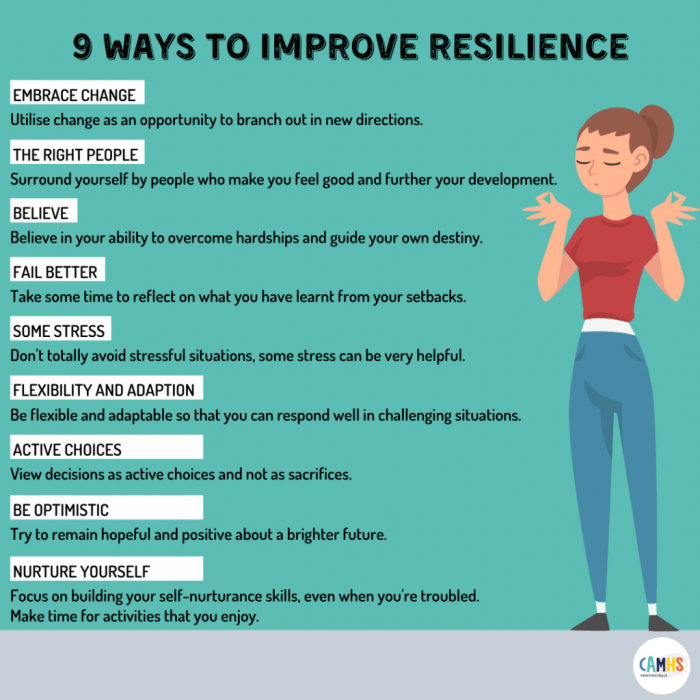
Stress can have a significant impact on relationships, making it crucial to incorporate effective stress relief strategies to build mental resilience. By implementing techniques to manage stress, individuals can enhance their emotional wellbeing and strengthen their relationships.
Exploring Different Stress Relief Techniques, How to cultivate mental resilience in relationships
- Engage in mindfulness practices such as meditation and deep breathing exercises to calm the mind and reduce stress levels.
- Physical activity, such as yoga or regular exercise, can help release tension and promote relaxation.
- Spending time in nature or engaging in hobbies can provide a mental break from stressors and promote a sense of peace.
Examples of Relaxation Methods for Managing Stress
- Progressive muscle relaxation: Tensing and then relaxing each muscle group in the body can help release physical tension and promote relaxation.
- Visualization techniques: Imagining a peaceful scene or positive outcome can help shift focus away from stressors and promote a sense of calm.
- Journaling: Writing down thoughts and emotions can help process stress and gain clarity on underlying issues.
Importance of Setting Boundaries and Self-Care Practices
- Establishing clear boundaries in relationships can help prevent stress from escalating and protect emotional wellbeing.
- Prioritizing self-care practices such as adequate sleep, healthy eating, and time for relaxation can help individuals recharge and build resilience against stress.
- Seeking support from loved ones or a therapist can provide additional coping mechanisms and strategies for managing stress in relationships.
Achieving Nutritional Balance for Mental Resilience in Relationships
Nutrition plays a crucial role in supporting mental resilience within relationships. A well-balanced diet can contribute to emotional wellbeing, cognitive function, and overall mental clarity.
Creating Balanced Meals for Emotional Wellbeing
Creating balanced meals involves incorporating a variety of nutrients essential for brain health and emotional stability. Include a mix of fruits, vegetables, whole grains, lean proteins, and healthy fats in your diet. Ensure you are getting an adequate intake of vitamins, minerals, and antioxidants to support your mental resilience.
Impact of Hydration and Proper Nutrition on Cognitive Function
Hydration is key to maintaining optimal cognitive function in relationships. Dehydration can lead to fatigue, difficulty concentrating, and mood swings, affecting your ability to navigate interpersonal dynamics. Make sure to drink enough water throughout the day and include hydrating foods like fruits and vegetables in your meals.
Guidance on Nutritional Balance for Resilient Relationships
– Aim to have a colorful plate with a variety of fruits and vegetables to ensure a diverse nutrient intake.
– Incorporate lean proteins like fish, poultry, beans, and nuts for sustained energy and mood regulation.
– Choose whole grains over refined carbohydrates to stabilize blood sugar levels and avoid mood swings.
– Include healthy fats from sources like avocados, olive oil, and nuts to support brain health and emotional wellbeing.
– Limit processed foods, sugary snacks, and excessive caffeine intake, as they can negatively impact mental resilience.
Boosting Immune Support for Resilient Relationships
Having a strong immune system is crucial for maintaining mental resilience in relationships. The link between immune health and overall wellbeing cannot be understated, as a healthy immune system helps combat stress and promotes a positive outlook on life.
Tips for Strengthening the Immune System
- Get an adequate amount of sleep each night to allow your body to repair and regenerate.
- Stay physically active through regular exercise to boost immune function.
- Eat a balanced diet rich in fruits, vegetables, whole grains, and lean proteins to provide essential nutrients for immune support.
- Manage stress effectively through relaxation techniques like meditation, yoga, or deep breathing exercises.
- Avoid smoking, excessive alcohol consumption, and unhealthy eating habits that can weaken the immune system.
Immune-Boosting Foods and Lifestyle Habits
Include the following immune-boosting foods and habits in your daily routine to enhance resilience within relationships:
| Food | Benefits |
|---|---|
| Citrus fruits (oranges, grapefruits) | Rich in vitamin C, which helps boost the immune system. |
| Yogurt | Contains probiotics that support gut health and immune function. |
| Garlic | Has immune-boosting properties and helps fight off infections. |
| Green tea | Packed with antioxidants that enhance immune response. |
Additionally, maintain a healthy lifestyle by staying hydrated, practicing good hygiene, and getting regular medical check-ups to ensure your immune system is functioning optimally.
Answers to Common Questions
How can I start building mental resilience in my relationships?
To begin cultivating mental resilience, focus on self-awareness, emotional regulation, and developing healthy coping mechanisms to navigate challenges effectively.
What role does communication play in enhancing mental resilience within relationships?
Effective communication fosters understanding, promotes emotional connection, and builds trust, all of which are crucial elements in developing mental resilience in relationships.
Is practicing mindfulness beneficial for improving mental resilience?
Absolutely! Mindfulness practices help individuals stay present, manage stress, and enhance emotional well-being, which are all essential components of building mental resilience in relationships.


More Stories