Healthy Habits
Maintaining healthy habits is crucial for promoting overall well-being as we age. This includes focusing on a balanced diet, regular exercise, and staying hydrated. Let’s delve into the importance of these habits for healthy aging and mental well-being.
Maintaining a Balanced Diet
Eating a balanced diet rich in nutrients is essential for healthy aging. Include a variety of fruits, vegetables, whole grains, lean proteins, and healthy fats in your meals. Avoid excessive intake of processed foods, sugary snacks, and high-fat items. A balanced diet provides the necessary vitamins and minerals to support bodily functions and maintain optimal health.
Incorporating Regular Exercise
Regular physical activity is not only beneficial for physical health but also plays a significant role in mental well-being. Find activities you enjoy, such as walking, swimming, yoga, or dancing, and aim for at least 150 minutes of moderate exercise per week. Exercise releases endorphins, which can improve mood and reduce feelings of stress and anxiety.
Staying Hydrated
Hydration is key to supporting bodily functions and overall health. Make sure to drink an adequate amount of water throughout the day to stay hydrated. Dehydration can lead to fatigue, headaches, and difficulty concentrating. Carry a water bottle with you to remind yourself to drink water regularly and stay hydrated for optimal health.
Emotional Wellbeing
Emotional health plays a crucial role in healthy aging as it affects how individuals cope with stress, make decisions, and interact with others. It can influence physical health, cognitive function, and overall quality of life in older adults.
Managing Stress for Mental Resilience
Stress management is essential for improving mental resilience and emotional wellbeing in older adults. Some strategies to manage stress include:
- Practicing mindfulness and meditation to reduce anxiety and promote relaxation.
- Engaging in physical exercise to release endorphins and combat stress.
- Maintaining a healthy diet rich in nutrients to support brain function and mood regulation.
- Seeking social support from friends, family, or support groups to share feelings and experiences.
- Engaging in hobbies or activities that bring joy and fulfillment to reduce stress levels.
Social Connections and Emotional Wellbeing
Social connections have a significant impact on emotional wellbeing in older adults. Maintaining relationships with friends, family, and the community can provide support, companionship, and a sense of belonging. Positive social interactions can boost mood, reduce feelings of loneliness, and increase overall life satisfaction. Regular social engagement can also help older adults stay mentally sharp and emotionally resilient as they age.
Active Lifestyle
Regular physical activity plays a key role in promoting healthy aging and overall well-being. Staying active can have numerous benefits for cardiovascular health, mobility, and mental well-being.
Types of Physical Activities
- Walking: A simple and effective way to stay active, improve cardiovascular health, and strengthen muscles.
- Strength Training: Helps maintain muscle mass, bone density, and metabolism as we age.
- Yoga: Improves flexibility, balance, and reduces stress levels.
- Swimming: Low-impact exercise that is gentle on the joints and great for overall fitness.
Benefits of Staying Active for Cardiovascular Health
Regular physical activity can help reduce the risk of heart disease, lower blood pressure, improve cholesterol levels, and enhance overall cardiovascular function. It also helps in maintaining a healthy weight and preventing obesity-related conditions.
Role of Mobility Exercises
Mobility exercises focus on improving flexibility, range of motion, and joint health. These exercises help in preventing injuries, reducing stiffness, and maintaining independence as we age. Incorporating mobility exercises into your routine can make daily activities easier and improve overall quality of life.
Cardiovascular Health
Regular exercise plays a crucial role in maintaining cardiovascular health as it helps improve blood circulation, strengthen the heart muscle, and lower blood pressure. It also helps reduce the risk of developing heart diseases and other cardiovascular conditions.
Importance of Monitoring Blood Pressure and Cholesterol Levels
Monitoring blood pressure and cholesterol levels is essential for healthy aging as high blood pressure and high cholesterol are major risk factors for heart disease. Regular check-ups can help detect any abnormalities early on and allow for timely intervention to prevent complications.
Tips for Maintaining a Heart-Healthy Diet
- Include plenty of fruits and vegetables in your diet as they are rich in vitamins, minerals, and antioxidants that promote heart health.
- Choose lean protein sources such as fish, poultry, and legumes to reduce saturated fat intake.
- Avoid processed and fried foods high in trans fats and limit your intake of salt and sugar.
- Opt for whole grains like brown rice, quinoa, and whole wheat bread to increase fiber intake and improve heart health.
- Stay hydrated by drinking an adequate amount of water and limit alcohol consumption.
Healthy Recipes
Incorporating nutritious recipes into your diet is essential for supporting healthy aging. By including a variety of fruits and vegetables in your meals, you can ensure that your body receives the necessary vitamins and minerals to promote overall wellbeing. Additionally, using cooking techniques that preserve the nutritional value of ingredients can maximize the health benefits of the food you consume.
Vegetable Stir-Fry
Healthy aging and mental wellbeing – Vegetable stir-fry is a simple and delicious dish that can be packed with nutrients. By stir-frying a combination of colorful vegetables such as bell peppers, broccoli, carrots, and snap peas, you can create a flavorful and healthy meal. To preserve the nutritional content of the vegetables, it is important to cook them quickly over high heat to retain their vitamins and minerals.
- Include a variety of vegetables to maximize the nutritional benefits.
- Use minimal oil and sodium to keep the dish healthy.
- Add lean protein sources like tofu or chicken for a balanced meal.
Fruit Salad with Greek Yogurt
A fruit salad with Greek yogurt is a refreshing and nutritious option for a healthy snack or dessert. By combining a mix of fresh fruits such as berries, kiwi, and pineapple with a dollop of Greek yogurt, you can create a satisfying and vitamin-rich dish. Greek yogurt provides protein and probiotics, which are beneficial for digestion and overall gut health.
- Choose a variety of fruits to ensure a range of vitamins and antioxidants.
- Opt for plain Greek yogurt to avoid added sugars and artificial flavors.
- Sprinkle with a handful of nuts or seeds for added crunch and healthy fats.
Mental Resilience
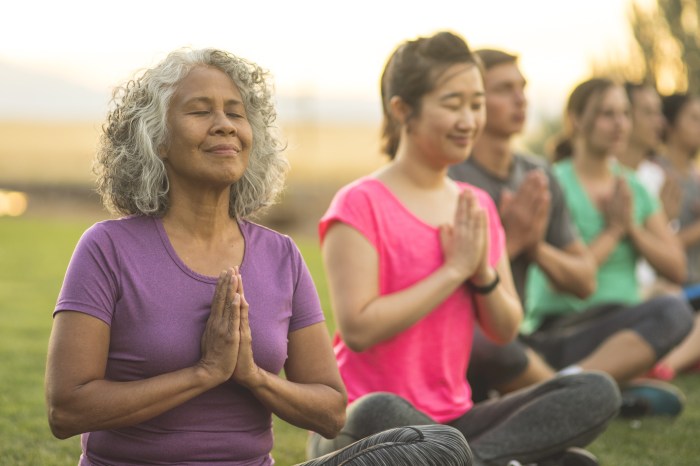
Practicing mindfulness is a powerful tool to enhance mental resilience. By staying present in the moment and accepting thoughts and feelings without judgment, individuals can build the ability to bounce back from challenges and setbacks more effectively.
Techniques for Improving Cognitive Function
Improving cognitive function is essential for healthy aging. Some techniques to enhance cognitive function include:
- Engaging in brain-stimulating activities such as puzzles, reading, or learning a new skill.
- Getting regular exercise to improve blood flow to the brain.
- Eating a balanced diet rich in antioxidants and omega-3 fatty acids.
- Getting enough quality sleep to support memory consolidation and brain health.
Impact of Positive Thinking
Positive thinking plays a crucial role in overall mental wellbeing. By focusing on the good in every situation and practicing gratitude, individuals can reduce stress levels, improve mood, and increase resilience to challenges. Positive thinking can also enhance creativity and problem-solving abilities, leading to a more fulfilling and balanced life.
Immune Support
Maintaining a healthy immune system is crucial for overall wellbeing, especially as we age. A strong immune system can help protect against various illnesses and diseases, making it essential to focus on immune support as part of a healthy aging regimen.
Immune-Boosting Foods and Supplements
Eating a balanced diet rich in immune-boosting foods can help support your body’s defense system. Include a variety of fruits, vegetables, whole grains, and lean proteins in your meals. Additionally, consider incorporating immune-boosting supplements such as vitamin C, vitamin D, zinc, and probiotics to further enhance your immune function.
- Citrus fruits like oranges, grapefruits, and lemons are high in vitamin C, known for its immune-boosting properties.
- Leafy greens such as spinach and kale are rich in antioxidants that can help strengthen the immune system.
- Garlic contains allicin, a compound known for its immune-boosting and antimicrobial properties.
- Probiotic-rich foods like yogurt and kefir can promote a healthy gut microbiome, which plays a crucial role in immune function.
- Zinc, found in foods like lean meats, nuts, and seeds, is essential for proper immune function.
- Vitamin D, obtained from sunlight exposure and supplements, is important for immune regulation and overall health.
Sleep and Stress Management
Quality sleep and effective stress management are key factors in supporting a healthy immune system. Lack of sleep and chronic stress can weaken the immune response, making it important to prioritize restful sleep and stress-reducing activities in your daily routine.
- Ensure you get 7-9 hours of quality sleep each night to allow your body to recharge and support immune function.
- Practice stress-reducing techniques such as meditation, deep breathing exercises, yoga, or spending time in nature to lower stress levels and boost immunity.
- Engage in regular physical activity, which can help improve sleep quality and reduce stress, further supporting immune health.
Stress Relief
Feeling stressed out? It’s crucial to find ways to manage and reduce stress levels for our overall well-being. Here are some relaxation techniques that can help you unwind and find peace amidst the chaos of daily life.
Relaxation Techniques
- Practice deep breathing exercises: Take slow, deep breaths in and out to calm your mind and body.
- Engage in mindfulness meditation: Focus on the present moment and let go of worries about the past or future.
- Try progressive muscle relaxation: Tense and then release each muscle group in your body to release tension.
- Listen to calming music: Create a playlist of soothing songs that help you relax and unwind.
Self-Care Practices, Healthy aging and mental wellbeing
Taking care of yourself is essential for maintaining mental well-being. Here are some self-care tips to incorporate into your daily routine.
- Get enough sleep: Aim for 7-9 hours of quality sleep each night to recharge your body and mind.
- Eat a balanced diet: Fuel your body with nutritious foods that support your overall health.
- Stay hydrated: Drink plenty of water throughout the day to stay hydrated and focused.
- Exercise regularly: Physical activity releases endorphins that help reduce stress and improve mood.
Creating a Calming Environment at Home
Setting up a peaceful and relaxing environment in your home can significantly impact your stress levels. Here are some tips for creating a calming space.
- Declutter your space: Clear out unnecessary items to create a sense of openness and tranquility.
- Use soothing colors: Decorate with calming colors like blues, greens, and neutrals to promote relaxation.
- Bring in plants: Indoor plants can purify the air and create a sense of tranquility in your space.
- Create a cozy corner: Designate a cozy spot with soft pillows and blankets where you can unwind and relax.
Nutritional Balance
Maintaining a well-balanced diet is crucial for healthy aging as it provides the necessary nutrients to support overall health and wellbeing. A balanced diet helps in managing weight, reducing the risk of chronic diseases, and improving cognitive function.
Impact of Micronutrients
Micronutrients play a vital role in various bodily functions, such as metabolism, immune system support, and cell repair. They include vitamins and minerals that are essential for overall health and wellbeing. Adequate intake of micronutrients is necessary to maintain optimal health and prevent deficiencies.
- Vitamin C: Found in citrus fruits, bell peppers, and strawberries, vitamin C is important for immune function and collagen production.
- Calcium: Dairy products, leafy greens, and fortified foods are excellent sources of calcium, essential for bone health and muscle function.
- Iron: Red meat, poultry, beans, and lentils are rich in iron, necessary for the formation of red blood cells and oxygen transport.
- Omega-3 fatty acids: Fatty fish, flaxseeds, and walnuts are sources of omega-3s, beneficial for heart health and brain function.
Question Bank: Healthy Aging And Mental Wellbeing
How important is social connection for healthy aging and mental wellbeing?
Social connections play a vital role in promoting emotional well-being and overall mental health by providing support, reducing feelings of isolation, and boosting self-esteem.
Why is nutritional balance crucial for healthy aging?
Ensuring a well-balanced diet with essential nutrients supports healthy aging by maintaining optimal physical and cognitive function, reducing the risk of chronic diseases, and enhancing overall well-being.
What are some effective stress relief techniques for improving mental resilience?
Practicing mindfulness, engaging in relaxation exercises, and incorporating self-care practices are effective ways to reduce stress levels, improve mental resilience, and enhance overall well-being.


More Stories