Top strategies for enhancing mental resilience in children and teens are crucial for navigating the complexities of modern life. These strategies go beyond simply coping with stress; they equip young people with the skills and mindset to thrive, even in the face of challenges.
From building foundational skills like problem-solving and self-regulation to cultivating emotional intelligence and mindfulness, these strategies empower children and teens to become resilient individuals capable of handling life’s ups and downs with grace and strength.
This guide explores a comprehensive approach to building mental resilience, addressing key areas such as emotional regulation, positive self-talk, healthy habits, and the importance of supportive relationships. By understanding and implementing these strategies, parents, educators, and mentors can create a supportive environment that fosters resilience and helps young people develop into confident and capable individuals.
Understanding Mental Resilience
Mental resilience is the ability to bounce back from adversity, adapt to change, and thrive in the face of challenges. It’s a crucial skill for children and teens, as it equips them to navigate the inevitable ups and downs of life, fostering their emotional well-being and overall success.
Factors Contributing to Mental Resilience
Mental resilience is not something you’re born with; it’s a skill that can be developed and strengthened over time. Several factors can contribute to or hinder its development in children and teens.
- Positive Relationships:Supportive relationships with family, friends, and mentors provide a sense of belonging, security, and love, which are crucial for building resilience. Children and teens who feel loved and supported are better equipped to handle stress and setbacks.
- Effective Coping Mechanisms:Learning healthy coping strategies like exercise, mindfulness, or creative outlets helps children and teens manage stress and negative emotions in a constructive way. These skills enable them to navigate difficult situations without resorting to unhealthy behaviors.
- Problem-Solving Skills:Developing the ability to identify problems, analyze situations, and generate solutions empowers children and teens to take control of their circumstances. This sense of agency and self-efficacy fosters resilience by promoting a belief in their ability to overcome challenges.
- Optimism and Self-Esteem:A positive outlook and belief in oneself are essential for resilience. Children and teens who have a strong sense of self-worth and are optimistic about their future are more likely to persevere through difficulties and see setbacks as opportunities for growth.
Factors Hindering Mental Resilience
While some factors contribute to resilience, others can hinder its development.
- Trauma and Adverse Experiences:Experiences like abuse, neglect, or witnessing violence can significantly impact a child’s or teen’s mental health and ability to cope with stress. These experiences can lead to emotional distress, anxiety, and difficulty trusting others, hindering their ability to build resilience.
- Lack of Support:Children and teens who lack supportive relationships may struggle to develop resilience. Without a strong network of people who care about them and offer guidance, they may feel isolated and overwhelmed by challenges, making it harder to bounce back.
- Negative Self-Talk:Constant negative self-talk can erode self-esteem and create a sense of hopelessness, hindering resilience. Children and teens who engage in negative self-talk may struggle to see their own strengths and potential, making it difficult to believe in their ability to overcome challenges.
Examples of Mental Resilience in Daily Life
Mental resilience is not a singular act; it manifests in various ways throughout daily life.
- Overcoming Academic Challenges:A child who struggles with a difficult subject but persists, seeks help, and eventually succeeds demonstrates resilience. They are not discouraged by setbacks but rather use them as opportunities to learn and grow.
- Navigating Social Conflicts:A teen who faces a conflict with a friend but chooses to communicate openly, apologize when necessary, and work towards resolution exhibits resilience. They are able to manage their emotions, communicate effectively, and seek positive outcomes.
- Coping with Loss or Grief:A child who experiences the loss of a loved one but gradually learns to cope with their grief, find meaning in their memories, and move forward demonstrates resilience. They are able to acknowledge their pain but also find strength and hope in their journey.
Building Foundational Skills
Mental resilience isn’t something children are born with. It’s a skill that needs to be developed through consistent practice and support. Just like learning to ride a bike or play an instrument, building resilience takes time and effort. It involves a combination of cognitive, emotional, and behavioral skills that allow children to navigate challenges, bounce back from setbacks, and thrive in the face of adversity.
Problem-Solving Skills
Developing strong problem-solving skills is crucial for building resilience. When children learn to approach challenges in a structured and thoughtful manner, they gain confidence in their ability to find solutions. This can be achieved by encouraging them to break down problems into smaller steps, explore different perspectives, and consider potential consequences of their actions.
- Encourage brainstorming:Instead of jumping to conclusions, encourage children to brainstorm multiple solutions. This can be done through activities like “What if…” scenarios or “If I had a magic wand…” games.
- Role-playing:Role-playing different scenarios can help children practice problem-solving in a safe environment. This can be done with real-life situations they face or fictional scenarios from books or movies.
- Teach decision-making:Introduce children to simple decision-making models, like the “pros and cons” list or the “STOP” method (Stop, Think, Options, Pick, and Proceed). This can help them make more informed choices and learn from their mistakes.
Nurturing Emotional Intelligence: Top Strategies For Enhancing Mental Resilience In Children And Teens
Emotional intelligence plays a crucial role in mental resilience, equipping individuals with the skills to navigate life’s challenges effectively. Children and teens with strong emotional intelligence are better equipped to understand and manage their emotions, build healthy relationships, and cope with stress.
Activities for Promoting Emotional Awareness and Regulation
Encouraging emotional awareness and regulation in children and teens is essential for developing their emotional intelligence. Here are some activities that can help:
- Mindfulness exercises: Simple mindfulness practices like deep breathing, body scans, and guided meditations can help children and teens become more aware of their emotions and learn to regulate them.
- Journaling: Encouraging children and teens to write about their feelings can help them process and understand their emotions better. This can be a powerful tool for self-reflection and emotional regulation.
- Role-playing: Engaging in role-playing scenarios that involve different emotions can help children and teens develop empathy and learn how to respond to various situations in a healthy way.
- Emotional check-ins: Regularly checking in with children and teens about their emotions can foster open communication and help them learn to express themselves effectively.
Resources and Tools for Fostering Emotional Intelligence
There are many resources and tools available to support the development of emotional intelligence in children and teens. Some examples include:
- Books and articles: There are numerous books and articles that provide valuable insights into emotional intelligence and offer practical strategies for developing it in children and teens. Some popular resources include “The Emotional Intelligence Workbook” by Linda Graham and “Raising Emotionally Intelligent Kids” by John Gottman.
- Online courses and programs: Several online courses and programs are specifically designed to teach children and teens about emotional intelligence. These platforms often use interactive exercises and engaging content to make learning fun and effective.
- Apps and games: There are apps and games that incorporate emotional intelligence principles into their design, making it enjoyable for children and teens to learn about their emotions and develop self-regulation skills. Examples include “MindShift” and “Calm.”
- Professional support: If children and teens are struggling with emotional regulation or are experiencing significant challenges, seeking professional support from therapists or counselors specializing in emotional intelligence can be beneficial.
Promoting Positive Self-Talk
The way we talk to ourselves has a profound impact on our mental well-being, especially for children and teens. Positive self-talk can build confidence, resilience, and a more optimistic outlook, while negative self-talk can lead to self-doubt, anxiety, and depression.
Encouraging positive self-talk is an essential component of building mental resilience.
Techniques for Encouraging Positive Self-Talk, Top strategies for enhancing mental resilience in children and teens
Parents, educators, and mentors can play a crucial role in fostering positive self-talk in children and teens. Here are some techniques:
- Model Positive Self-Talk:Children learn by observing, so it’s important for adults to model positive self-talk. When facing challenges, use phrases like “I can do this” or “I’ll learn from this experience.” This demonstrates how to approach situations with a growth mindset.
- Challenge Negative Thoughts:Help children and teens identify negative self-talk and challenge those thoughts. Encourage them to question the validity of these thoughts and replace them with more positive and realistic alternatives.
- Focus on Strengths:Encourage children to focus on their strengths and accomplishments. Help them recognize their positive qualities and celebrate their successes, big or small.
- Practice Gratitude:Encourage daily gratitude practices. This can involve keeping a gratitude journal, expressing appreciation for others, or simply taking time to acknowledge the good things in life. Gratitude shifts the focus from negativity to positivity.
- Use Affirmations:Affirmations are positive statements that can help reprogram negative thought patterns. Create personalized affirmations with children and teens that reflect their goals and aspirations.
Positive Affirmations for Children and Teens
Here are some examples of positive affirmations that children and teens can use daily:
“I am strong, capable, and resilient.”
“I am worthy of love and respect.”
“I am learning and growing every day.”
“I can overcome any challenge I face.”
“I am grateful for the good things in my life.”
“I believe in myself and my abilities.”
“I am kind, compassionate, and helpful.”
“I am a unique and valuable individual.”
“I am loved and accepted for who I am.”
“I am making a positive difference in the world.”
Cultivating Mindfulness and Gratitude
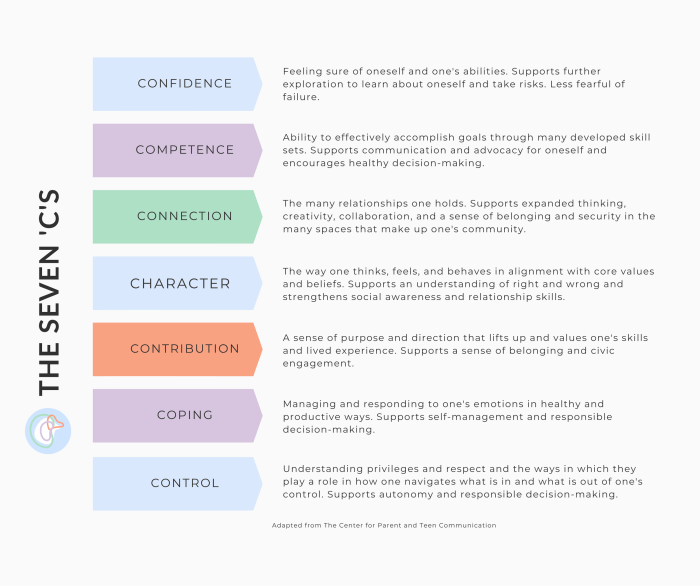
Mindfulness and gratitude practices are powerful tools for enhancing mental resilience in children and teens. These practices help them develop a greater awareness of their thoughts, feelings, and sensations, enabling them to manage stress, regulate emotions, and foster a positive outlook.
Mindfulness Exercises for Children and Teens
Mindfulness exercises encourage children and teens to focus on the present moment, without judgment. This helps them become more aware of their thoughts, feelings, and bodily sensations, allowing them to better manage stress and anxiety.
- Body Scan Meditation:This exercise involves bringing attention to different parts of the body, noticing sensations like warmth, tingling, or tightness. Children can start by focusing on their toes and gradually move up their body, paying attention to each part.
- Mindful Breathing:Simple yet effective, mindful breathing involves focusing on the breath as it enters and leaves the body. Children can count their breaths or visualize their breath flowing in and out of their nostrils.
- Mindful Walking:This involves paying attention to the sensations of walking, such as the feeling of the ground beneath their feet, the movement of their legs, and the air on their skin.
Gratitude Exercises for Children and Teens
Gratitude exercises encourage children and teens to focus on the positive aspects of their lives, fostering a sense of appreciation and well-being.
- Gratitude Journal:Encourage children to write down three things they are grateful for each day. This can be anything from a delicious meal to a kind gesture from a friend.
- Gratitude Jar:Have children write down their gratitudes on slips of paper and place them in a jar. They can then read through these slips of paper whenever they need a boost.
- Gratitude Tree:Create a visual representation of gratitude by drawing a tree and having children write down their gratitudes on leaves that they attach to the branches.
Integrating Mindfulness and Gratitude into Daily Routines
Mindfulness and gratitude practices can be seamlessly integrated into daily routines to enhance mental resilience.
- Start the Day with Mindfulness:Begin the day with a few minutes of mindful breathing or a body scan meditation to set a calm and focused tone.
- Practice Gratitude Before Bed:Encourage children to reflect on their day and identify things they are grateful for before going to sleep.
- Mindful Mealtimes:Make mealtimes a mindful experience by encouraging children to focus on the taste, smell, and texture of their food.
- Mindful Movement:Incorporate mindfulness into physical activities like yoga, dance, or even walking by encouraging children to pay attention to their body movements and sensations.
Establishing Healthy Habits
Just as a strong foundation supports a sturdy building, healthy habits form the bedrock of mental resilience in children and teens. These habits act as buffers against stress, promote emotional well-being, and foster a positive outlook on life. By incorporating regular exercise, balanced nutrition, and sufficient sleep into their daily routines, young individuals can equip themselves with the tools to navigate challenges, cope with stress, and thrive in all aspects of their lives.
Incorporating Regular Exercise
Regular physical activity is not only beneficial for physical health but also plays a crucial role in enhancing mental resilience. Exercise releases endorphins, which have mood-boosting effects, reduces stress hormones, and improves sleep quality.
- Encourage children and teens to engage in activities they enjoy, whether it’s team sports, dance, martial arts, or simply going for a walk or bike ride.
- Set realistic goals and gradually increase the duration and intensity of exercise as they become more comfortable.
- Make exercise a family affair by participating in activities together, such as hiking, swimming, or playing frisbee.
Prioritizing Balanced Nutrition
A balanced diet provides the essential nutrients that fuel the brain and support optimal cognitive function. Consuming a variety of fruits, vegetables, whole grains, lean protein, and healthy fats can improve mood, concentration, and overall well-being.
- Limit processed foods, sugary drinks, and excessive caffeine, which can lead to energy crashes and mood swings.
- Involve children and teens in meal planning and preparation to foster healthy eating habits and awareness of food choices.
- Make healthy snacks readily available, such as fruits, vegetables, nuts, and yogurt, to prevent unhealthy cravings.
Ensuring Sufficient Sleep
Sleep is essential for physical and mental restoration. During sleep, the brain consolidates memories, regulates emotions, and repairs itself. Adequate sleep allows children and teens to wake up feeling refreshed, focused, and better equipped to handle daily challenges.
- Establish a consistent bedtime routine that signals the body it’s time to wind down, such as taking a warm bath, reading a book, or listening to calming music.
- Create a sleep-conducive environment by ensuring the bedroom is dark, quiet, and cool.
- Limit screen time before bed, as the blue light emitted from electronic devices can interfere with melatonin production, a hormone that regulates sleep.
Sample Daily Schedule
| Time | Activity |
|---|---|
| 7:00 AM | Wake up, drink water, and stretch |
| 7:30 AM | Healthy breakfast (e.g., oatmeal with fruit and nuts) |
| 8:00 AM | School or other activities |
| 12:00 PM | Lunch break (e.g., salad with grilled chicken) |
| 1:00 PM | School or other activities |
| 3:00 PM | Physical activity (e.g., sports practice, dance class, or outdoor play) |
| 4:00 PM | Healthy snack (e.g., fruit, yogurt, or trail mix) |
| 5:00 PM | Homework or other activities |
| 6:00 PM | Dinner with family (e.g., roasted vegetables with lean protein) |
| 7:00 PM | Relaxing activity (e.g., reading, playing board games, or spending time with family) |
| 8:00 PM | Wind down routine (e.g., warm bath, listening to calming music) |
| 8:30 PM | Bedtime |
Building a Supportive Network
Having a strong support network is crucial for children and teens to develop mental resilience. When surrounded by people who care about them and offer encouragement, they feel a sense of belonging and security, which helps them cope with challenges and bounce back from setbacks.
Building Strong Relationships
Building strong relationships with family, friends, and mentors is essential for fostering a supportive network. Here are some strategies that children and teens can employ:
- Engage in Meaningful Conversations:Regularly spending time with loved ones and engaging in open and honest conversations can strengthen bonds. Encourage children and teens to share their thoughts, feelings, and experiences with those they trust.
- Participate in Shared Activities:Engaging in activities together, such as playing games, pursuing hobbies, or volunteering, creates opportunities for bonding and shared experiences.
- Practice Active Listening:Teaching children and teens the importance of active listening, where they pay full attention to what others are saying and show empathy, helps them develop strong communication skills.
- Seek Mentorship:Encourage children and teens to connect with mentors who can provide guidance, support, and role modeling. Mentors can be teachers, coaches, older siblings, or community members who offer positive influence.
The Role of Positive Role Models
Positive role models play a significant role in fostering resilience by demonstrating healthy coping mechanisms, positive attitudes, and perseverance in the face of adversity. Children and teens learn by observing the behaviors and attitudes of those they admire.
“Role models can inspire children and teens to develop their own resilience by showing them that it is possible to overcome challenges and achieve their goals.”
- Identify Positive Role Models:Encourage children and teens to identify individuals who exhibit qualities they admire, such as kindness, determination, and empathy.
- Learn from Role Models’ Experiences:Encourage them to learn from the experiences of their role models, both successes and failures, to gain valuable insights and strategies for navigating their own lives.
- Seek Opportunities for Interaction:Create opportunities for children and teens to interact with their role models, whether through mentorship programs, volunteering, or simply spending time together.
Managing Stress and Anxiety
Navigating the complexities of childhood and adolescence can be challenging, and it’s common for children and teens to experience stress and anxiety. Understanding the sources of these feelings and equipping them with effective coping strategies is crucial for their well-being.
Common Sources of Stress and Anxiety
Stress and anxiety in children and teens can stem from various sources, including academic pressure, social pressures, family dynamics, and personal experiences.
- Academic Pressure:The pressure to perform well academically, meet deadlines, and excel in extracurricular activities can contribute to stress and anxiety. This is particularly prevalent in competitive environments or when children are facing academic challenges.
- Social Pressures:Navigating social dynamics, fitting in, and managing peer relationships can be stressful for children and teens. Social media, cyberbullying, and the constant comparison with others can exacerbate these pressures.
- Family Dynamics:Family conflicts, parental expectations, and changes within the family structure can also contribute to stress and anxiety. Children and teens may feel overwhelmed by family issues or feel pressured to live up to certain expectations.
- Personal Experiences:Traumatic events, bullying, personal insecurities, and health concerns can significantly impact a child’s or teen’s emotional well-being, leading to stress and anxiety.
Effective Stress Management Techniques
Teaching children and teens effective stress management techniques is essential for their emotional well-being. These techniques can help them cope with stressful situations, reduce anxiety levels, and promote overall mental health.
- Relaxation Exercises:Relaxation techniques like deep breathing, progressive muscle relaxation, and guided imagery can help calm the mind and body, reducing stress and anxiety.
- Breathing Techniques:Simple breathing exercises, such as diaphragmatic breathing or box breathing, can help regulate the nervous system, promoting relaxation and reducing anxiety.
- Mindfulness and Meditation:Mindfulness and meditation practices encourage focusing on the present moment, reducing rumination and worry. These practices can help children and teens develop a greater awareness of their thoughts and feelings, allowing them to manage stress more effectively.
- Physical Activity:Engaging in regular physical activity releases endorphins, which have mood-boosting effects.
Exercise can help reduce stress, improve sleep, and boost overall well-being.
- Creative Expression:Engaging in creative activities like art, music, writing, or dance can provide an outlet for emotional expression, reducing stress and anxiety.
- Positive Self-Talk:Encouraging children and teens to engage in positive self-talk can help them challenge negative thoughts and build self-confidence.
- Time Management:Teaching effective time management skills can help children and teens prioritize tasks, reduce feelings of overwhelm, and manage their workload more effectively.
- Healthy Sleep Habits:Adequate sleep is essential for both physical and mental well-being. Establishing healthy sleep routines can help children and teens reduce stress and anxiety levels.
- Healthy Diet:A balanced diet can provide essential nutrients that support mental health. Avoiding processed foods, sugary drinks, and excessive caffeine can help regulate mood and reduce anxiety.
Seeking Professional Help
Just as we seek medical help for physical ailments, it’s equally crucial to seek professional help when it comes to mental well-being. Mental health professionals are trained to understand and address the unique challenges children and teens face, offering specialized support and guidance.
Signs That Indicate a Need for Professional Help
Recognizing the signs that a child or teen may need professional support is essential. While these signs can vary, some common indicators include:
- Persistent sadness, anxiety, or irritability that interferes with daily life.
- Significant changes in behavior, such as withdrawal from friends or activities, increased aggression, or difficulty concentrating.
- Difficulty managing emotions, such as frequent outbursts or difficulty calming down.
- Changes in sleep patterns, appetite, or energy levels.
- Self-harm behaviors, such as cutting or burning.
- Thoughts of suicide or death.
It’s important to note that these signs may not always be obvious, and some children and teens may be reluctant to express their struggles. If you notice any concerning changes in your child’s behavior, it’s crucial to seek professional help.
Resources and Organizations
A wide range of resources and organizations offer mental health services for children and teens. These resources can provide valuable support and guidance, ensuring young people receive the help they need:
- National Alliance on Mental Illness (NAMI):NAMI offers support groups, educational resources, and advocacy for individuals with mental illness and their families.
- Child Mind Institute:This organization provides mental health services, research, and educational programs for children and teens.
- The Jed Foundation:The Jed Foundation focuses on preventing suicide and promoting mental health among young people.
- American Academy of Pediatrics (AAP):The AAP provides guidance and resources for pediatricians and parents on child and adolescent mental health.
In addition to these national organizations, many local communities have mental health clinics, schools, and community centers that offer services for children and teens.
Creating a Resilient Environment
A supportive environment is crucial for fostering mental resilience in children and teens. Parents, educators, and other adults play a vital role in creating a nurturing space where young individuals can develop coping skills and thrive.
Creating a Supportive Home Environment
Parents and caregivers can create a home environment that promotes resilience by:
- Providing unconditional love and acceptance:Children need to know that they are loved and valued, regardless of their mistakes or challenges. This provides a strong foundation for self-esteem and resilience.
- Encouraging open communication:Create an open and safe space for children to express their feelings, concerns, and struggles without judgment. This fosters trust and allows for early intervention if needed.
- Setting clear expectations and boundaries:Consistent rules and boundaries provide structure and security, helping children understand what is expected of them and develop self-discipline.
- Teaching problem-solving skills:Encourage children to identify problems, brainstorm solutions, and evaluate outcomes. This empowers them to take ownership of their challenges and build confidence in their abilities.
- Promoting healthy habits:Encourage regular exercise, balanced nutrition, and sufficient sleep. These habits contribute to physical and mental well-being, enhancing resilience.
Creating a Supportive School Environment
Schools can foster resilience by:
- Providing a positive and inclusive school climate:A welcoming and supportive school environment reduces stress and anxiety, promoting a sense of belonging and safety.
- Implementing social-emotional learning programs:These programs teach children about emotions, relationships, and self-regulation, equipping them with skills to navigate challenges and build resilience.
- Encouraging peer support and collaboration:Creating opportunities for students to work together and support each other fosters a sense of community and shared responsibility.
- Offering mental health resources:Providing access to counselors, psychologists, and other mental health professionals ensures that students receive timely support when needed.
Creating a Supportive Community Environment
Communities can promote resilience by:
- Offering accessible and affordable mental health services:This ensures that all members of the community have access to the support they need, regardless of their financial situation.
- Organizing community events and activities that promote well-being:This can include activities like yoga classes, meditation groups, or support groups for parents and caregivers.
- Creating safe and inclusive public spaces:This can include parks, community centers, and libraries that provide opportunities for social interaction and recreation.
- Promoting positive role models:Highlighting individuals who have overcome adversity and demonstrated resilience can inspire and motivate others.
Last Recap
By embracing these strategies, we can empower children and teens to build strong foundations for mental well-being. This journey requires a collaborative effort, with parents, educators, and mentors working together to provide the necessary support and guidance. As young people develop their resilience, they become better equipped to face challenges, embrace opportunities, and live fulfilling lives.
Let’s work together to create a world where every child and teen has the tools they need to thrive.
Frequently Asked Questions
What are some signs that a child or teen might need professional help?
If a child or teen exhibits significant changes in behavior, such as withdrawal, difficulty concentrating, changes in sleep patterns, loss of interest in activities they once enjoyed, or expressing thoughts of self-harm, it’s crucial to seek professional support.
How can I encourage my child to practice mindfulness and gratitude?
Start with simple activities like mindful breathing exercises, gratitude journaling, or expressing appreciation for everyday things. Make it a fun and engaging experience by incorporating games, stories, or nature walks.
What are some effective stress management techniques for children and teens?
Deep breathing exercises, progressive muscle relaxation, physical activity, creative outlets like art or music, and spending time in nature are all helpful techniques for managing stress.


More Stories