How healthy habits can reduce stress and improve emotional well-being is a topic of increasing interest, as individuals seek sustainable ways to navigate the demands of modern life. The science behind this connection is clear: adopting healthy habits like regular exercise, mindful meditation, and a balanced diet can significantly impact our stress response and emotional well-being.
This article explores the intricate relationship between healthy habits and mental well-being, providing insights into how these habits can effectively manage stress, promote emotional resilience, and contribute to a more fulfilling life.
The Science Behind Healthy Habits and Well-being
The connection between healthy habits and improved emotional well-being is not just a feel-good notion; it’s backed by solid scientific evidence. Numerous studies have revealed the intricate physiological and psychological mechanisms by which healthy habits contribute to stress reduction and enhanced emotional resilience.
The Impact of Healthy Habits on Stress Hormones
The body’s stress response involves the release of hormones like cortisol and adrenaline. While these hormones are essential for short-term responses to danger, chronic stress can lead to elevated cortisol levels, impacting mood, sleep, and overall health. Regular exercise, for instance, has been shown to regulate cortisol levels, reducing its negative effects.
A study published in the journal “Psychoneuroendocrinology” found that moderate-intensity aerobic exercise can significantly lower cortisol levels in individuals with high levels of stress.
Stress Management Through Healthy Habits
Stress is a natural part of life, but chronic stress can have detrimental effects on our physical and mental well-being. Fortunately, incorporating healthy habits into our daily routines can significantly reduce stress levels and improve our emotional well-being.
Exercise and Stress Reduction
Regular physical activity is a powerful stress management tool. Exercise releases endorphins, which have mood-boosting effects and help reduce feelings of anxiety and depression. Engaging in moderate-intensity exercise for at least 30 minutes most days of the week can make a significant difference in stress levels.
- Cardiovascular Exercise:Activities like running, swimming, cycling, and brisk walking elevate your heart rate and improve blood flow, which can help alleviate stress.
- Strength Training:Weightlifting, resistance bands, and bodyweight exercises can build muscle mass and improve overall fitness, contributing to stress reduction.
- Yoga and Pilates:These practices combine physical movement with mindfulness, promoting flexibility, strength, and stress relief.
Mindfulness and Stress Management
Mindfulness involves focusing on the present moment without judgment. Practicing mindfulness can help us become more aware of our thoughts, feelings, and bodily sensations, enabling us to manage stress more effectively.
- Meditation:Regular meditation can reduce stress hormones, improve focus, and enhance emotional regulation.
- Deep Breathing Exercises:Simple breathing techniques like diaphragmatic breathing can calm the nervous system and reduce stress responses.
- Mindful Walking:Paying attention to the sensations of walking, such as the feeling of your feet on the ground and the rhythm of your breath, can bring a sense of presence and reduce stress.
Time Management and Stress Reduction
Effective time management is crucial for stress reduction. When we feel overwhelmed and disorganized, stress levels can soar. By prioritizing tasks, setting realistic goals, and learning to say no, we can create a more manageable and less stressful environment.
- Prioritize Tasks:Identify the most important tasks and focus on completing them first.
- Set Realistic Goals:Avoid overcommitting and setting unrealistic deadlines that lead to stress.
- Learn to Say No:It’s okay to decline requests that will add unnecessary stress to your schedule.
Sample Stress Management Plan
A comprehensive stress management plan incorporates various healthy habits to promote overall well-being. Here’s a sample plan that can be customized to fit individual needs:
| Healthy Habit | Description | Frequency |
|---|---|---|
| Exercise | Engage in at least 30 minutes of moderate-intensity exercise most days of the week. | Daily |
| Mindfulness | Practice mindfulness techniques such as meditation or deep breathing exercises for 10-15 minutes daily. | Daily |
| Time Management | Prioritize tasks, set realistic goals, and learn to say no to reduce stress. | Ongoing |
| Sleep Hygiene | Establish a regular sleep schedule, create a relaxing bedtime routine, and ensure a comfortable sleep environment. | Daily |
| Social Connections | Spend time with loved ones, join social groups, or volunteer to foster a sense of belonging and support. | Regularly |
Incorporating Stress-Reducing Habits into Daily Routines
Integrating stress-reducing habits into daily routines can be as simple as making small changes.
- Take Breaks Throughout the Day:Step away from your desk for a few minutes to stretch, walk, or engage in a relaxing activity.
- Listen to Music:Soothing music can calm the mind and reduce stress.
- Spend Time in Nature:Being outdoors can have a restorative effect on our mental and emotional well-being.
- Practice Gratitude:Reflecting on the positive aspects of your life can shift your focus and reduce stress.
Healthy Lifestyle for Emotional Well-being
A healthy lifestyle goes beyond physical health; it significantly impacts our emotional well-being. By adopting healthy habits, we can effectively manage stress, boost our mood, and enhance our overall emotional resilience. This section will delve into the connection between a balanced diet and emotional well-being, exploring the role of nutrition in mood regulation.
We’ll also examine the benefits of regular physical activity for stress reduction and emotional well-being, providing practical tips and insights to help you cultivate a healthier and happier you.
The Connection Between Diet and Emotional Well-being
Our diet plays a crucial role in influencing our mood and emotional stability. The food we consume provides our bodies with essential nutrients that directly impact our brain function and neurotransmitter production. A balanced diet rich in fruits, vegetables, whole grains, and lean proteins can promote mental clarity, improve focus, and enhance our ability to cope with stress.
Healthy Recipes for Mental Clarity and Emotional Resilience
Here are a few healthy recipe ideas that can contribute to mental clarity and emotional resilience:
- Salmon with Roasted Vegetables:Salmon is a rich source of omega-3 fatty acids, which are essential for brain health and mood regulation. Pairing it with roasted vegetables like broccoli, Brussels sprouts, and sweet potatoes provides a balanced meal packed with vitamins, minerals, and antioxidants.
- Lentil Soup with Whole Wheat Bread:Lentils are a great source of protein, fiber, and iron, contributing to sustained energy levels and a stable mood. Combining it with whole wheat bread provides complex carbohydrates for sustained energy release, promoting mental clarity and focus.
- Greek Yogurt with Berries and Nuts:Greek yogurt is a good source of protein and probiotics, which are beneficial for gut health. The gut-brain connection is well-established, and a healthy gut microbiome is crucial for emotional well-being. Adding berries provides antioxidants and natural sugars for energy, while nuts offer healthy fats and essential minerals.
Benefits of Regular Physical Activity for Emotional Well-being, How healthy habits can reduce stress and improve emotional well-being
Engaging in regular physical activity is a powerful tool for stress reduction and emotional well-being. Exercise releases endorphins, which have mood-boosting effects, and helps to reduce levels of stress hormones like cortisol.
- Improved Mood and Reduced Anxiety:Exercise has been shown to reduce symptoms of anxiety and depression. Regular physical activity can help regulate mood by increasing serotonin and dopamine levels in the brain, neurotransmitters associated with happiness and well-being.
- Enhanced Sleep Quality:Regular exercise can improve sleep quality, which is crucial for emotional regulation. When we are well-rested, we are better equipped to handle stress and maintain a positive outlook.
- Increased Self-Esteem and Confidence:Achieving fitness goals and engaging in physical activity can boost self-esteem and confidence, contributing to a more positive self-image and a sense of accomplishment.
The Impact of Healthy Habits on Mental Resilience
Mental resilience is the ability to bounce back from adversity and challenges. It is a crucial factor in maintaining emotional well-being and overall mental health. Healthy habits play a significant role in building mental resilience, enabling individuals to cope with life’s stressors and navigate difficult situations effectively.
Healthy Habits Enhance Coping Mechanisms
Healthy habits, such as regular exercise, adequate sleep, and mindfulness practices, contribute to enhanced coping mechanisms, allowing individuals to manage stress and regulate their emotions more effectively.
- Regular Exercise:Physical activity releases endorphins, which have mood-boosting effects. Exercise also helps to reduce stress hormones like cortisol, promoting a sense of calm and well-being. Studies have shown that regular exercise can be as effective as medication in treating mild to moderate depression.
- Adequate Sleep:Sleep deprivation can lead to increased stress, irritability, and difficulty concentrating. Getting enough sleep allows the brain to rest and repair, improving mood regulation and cognitive function. Aim for 7-9 hours of quality sleep each night to support mental resilience.
- Mindfulness Practices:Mindfulness involves paying attention to the present moment without judgment. Techniques like meditation and deep breathing exercises can help to calm the mind, reduce anxiety, and improve emotional regulation. Mindfulness allows individuals to become more aware of their thoughts and feelings, enabling them to respond to challenges in a more balanced and adaptive way.
Concluding Remarks: How Healthy Habits Can Reduce Stress And Improve Emotional Well-being
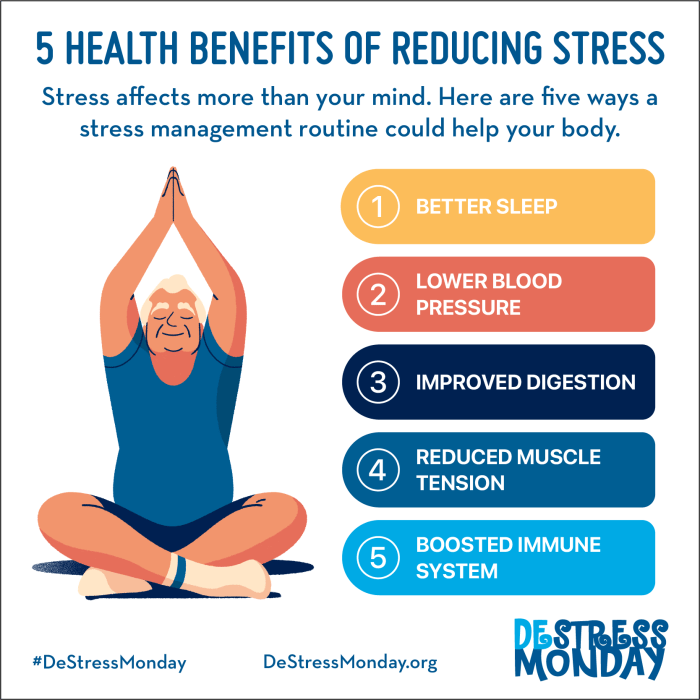
By incorporating healthy habits into our daily routines, we can cultivate a foundation for both physical and mental well-being. This proactive approach empowers us to navigate life’s challenges with greater resilience, fostering a sense of balance and inner peace. The journey towards a healthier and happier life begins with small, consistent steps – and the rewards are well worth the effort.
FAQ Insights
What are some specific examples of healthy habits that can reduce stress?
Some effective stress-reducing habits include regular exercise, mindful meditation, deep breathing exercises, getting enough sleep, and spending time in nature.
How can I incorporate healthy habits into my busy schedule?
Start small and gradually build up your routine. Aim for 15-30 minutes of exercise most days, try a brief meditation session, or make time for a relaxing walk in nature. Consistency is key.
What are the benefits of a balanced diet for emotional well-being?
A balanced diet provides the essential nutrients your body needs to function optimally, including mood regulation. Eating a variety of fruits, vegetables, whole grains, and lean protein can help stabilize blood sugar levels and support a healthy mood.


More Stories
Stress relief and mindfulness practices: Tips for a Balanced Life