How regular health screenings can prevent heart disease and stroke is a vital topic that deserves our attention. Heart disease and stroke are leading causes of death worldwide, but early detection and intervention can significantly reduce their impact. Regular health screenings play a crucial role in identifying potential risks and enabling timely treatment, ultimately saving lives.
Understanding the importance of regular health screenings is paramount. These screenings allow healthcare professionals to detect early signs of heart disease and stroke, often before symptoms even appear. This early detection provides a window of opportunity for preventative measures and treatment, significantly improving patient outcomes.
The Role of Regular Health Screenings: How Regular Health Screenings Can Prevent Heart Disease And Stroke
Regular health screenings play a crucial role in preventing heart disease and stroke by detecting early signs of these conditions, allowing for timely intervention and reducing the risk of complications.
Types of Health Screenings
Regular health screenings are essential for early detection of heart disease and stroke. Here are some common types of screenings:
- Blood Pressure Check:This measures the force of blood pushing against the artery walls. High blood pressure is a major risk factor for heart disease and stroke. Regular blood pressure checks can help identify and manage hypertension.
- Cholesterol Test:This measures the levels of cholesterol in the blood. High cholesterol levels can lead to the buildup of plaque in the arteries, increasing the risk of heart disease and stroke.
- Blood Sugar Test:This measures the level of glucose in the blood. High blood sugar levels can indicate diabetes, which is a major risk factor for heart disease and stroke.
- Electrocardiogram (ECG):This test measures the electrical activity of the heart, which can help detect abnormalities in heart rhythm and structure. An ECG can help identify heart attacks, arrhythmias, and other heart conditions.
- Echocardiogram:This test uses sound waves to create images of the heart, allowing doctors to assess its structure and function. An echocardiogram can detect heart valve problems, heart muscle damage, and other heart conditions.
Benefits of Early Detection and Intervention
Early detection and intervention for heart disease and stroke are crucial for improving outcomes. Here are some key benefits:
- Reduced Risk of Complications:Early detection allows for timely treatment, reducing the risk of heart attack, stroke, and other complications.
- Improved Quality of Life:By managing risk factors and treating early signs of heart disease, individuals can maintain a better quality of life and avoid the debilitating effects of these conditions.
- Increased Lifespan:Early intervention can significantly improve survival rates and increase lifespan for individuals with heart disease and stroke.
Preventive Measures
Making positive changes to your lifestyle can significantly reduce your risk of developing heart disease and stroke. These changes can help lower your blood pressure, cholesterol levels, and improve your overall health.
Dietary Modifications
A balanced diet is crucial for maintaining heart health. It’s important to limit saturated and trans fats, cholesterol, sodium, and added sugars. Instead, focus on consuming plenty of fruits, vegetables, whole grains, lean protein, and healthy fats like those found in olive oil, avocados, and nuts.
- Eat plenty of fruits and vegetables:Aim for at least five servings per day. They are rich in vitamins, minerals, and fiber, which can help lower blood pressure and cholesterol.
- Choose whole grains over refined grains:Whole grains provide more fiber, which can help regulate blood sugar levels and lower cholesterol.
- Select lean protein sources:Opt for fish, poultry, beans, and lentils over red meat.
- Limit saturated and trans fats:These fats can raise LDL (“bad”) cholesterol levels. Look for foods labeled “low fat” or “fat-free.”
- Reduce your sodium intake:Too much sodium can raise blood pressure. Read food labels and choose low-sodium options.
- Limit added sugars:Added sugars contribute to weight gain and can increase your risk of heart disease. Choose unsweetened beverages and snacks.
Regular Exercise
Regular physical activity is essential for a healthy heart. Aim for at least 30 minutes of moderate-intensity exercise most days of the week. This can include brisk walking, swimming, cycling, or dancing.
- Engage in moderate-intensity exercise:This means you should be able to talk but not sing while exercising.
- Include strength training:Strength training helps build muscle mass, which can help lower blood pressure and improve cholesterol levels.
- Find activities you enjoy:This will make it more likely that you’ll stick with your exercise routine.
Weight Management
Maintaining a healthy weight is crucial for heart health. If you are overweight or obese, losing even a small amount of weight can significantly reduce your risk of heart disease and stroke.
- Set realistic weight loss goals:Aim to lose 1-2 pounds per week.
- Make gradual changes to your diet and exercise habits:Don’t try to change everything at once.
- Seek support from a healthcare professional:They can help you develop a safe and effective weight loss plan.
Stress Management
Chronic stress can contribute to heart disease and stroke. It’s important to find healthy ways to manage stress.
- Practice relaxation techniques:Deep breathing exercises, yoga, and meditation can help reduce stress.
- Get enough sleep:Aim for 7-8 hours of sleep per night.
- Spend time with loved ones:Social support can help buffer the effects of stress.
Smoking Cessation
Smoking is a major risk factor for heart disease and stroke. Quitting smoking is one of the best things you can do for your heart health.
- Talk to your doctor:They can provide you with resources and support to help you quit.
- Consider using nicotine replacement therapy:Patches, gum, and lozenges can help reduce cravings.
- Join a support group:Sharing your experience with others who are trying to quit can be helpful.
Alcohol Consumption
Excessive alcohol consumption can increase your risk of heart disease and stroke.
- Limit your alcohol intake:For women, this means no more than one drink per day. For men, it’s no more than two drinks per day.
- Avoid binge drinking:This is defined as consuming four or more drinks for women and five or more drinks for men in a two-hour period.
Stress Management
Stress is a natural part of life, but chronic stress can take a toll on your cardiovascular health. When you’re stressed, your body releases hormones like adrenaline and cortisol, which can increase your heart rate, blood pressure, and blood sugar levels.
Over time, this can lead to an increased risk of heart disease, stroke, and other health problems.
Stress Management Techniques
Managing stress effectively is crucial for protecting your heart health. Here are some strategies that can help:
Relaxation Techniques
Relaxation techniques can help calm your mind and body, reducing the physical effects of stress.
- Deep breathing exercises: Inhale deeply through your nose, hold for a few seconds, and exhale slowly through your mouth. Repeat several times.
- Progressive muscle relaxation: Tense and release different muscle groups in your body, starting with your toes and working your way up to your head.
- Guided imagery: Visualize a peaceful and relaxing scene, such as a beach or a forest.
Mindfulness Practices
Mindfulness involves paying attention to the present moment without judgment. It can help you become more aware of your thoughts and feelings, allowing you to manage stress more effectively.
- Meditation: Sit or lie in a comfortable position, close your eyes, and focus on your breath or a mantra.
- Yoga: Yoga combines physical postures, breathing techniques, and meditation, promoting relaxation and stress reduction.
Healthy Coping Mechanisms
Developing healthy coping mechanisms can help you manage stress in a constructive way.
- Exercise: Regular physical activity is a powerful stress reliever. Aim for at least 30 minutes of moderate-intensity exercise most days of the week.
- Spend time in nature: Spending time outdoors can reduce stress and improve your mood.
- Connect with loved ones: Social support is essential for managing stress.
Spend time with friends and family, or join a support group.
- Limit caffeine and alcohol: These substances can worsen stress and anxiety.
- Get enough sleep: When you’re well-rested, you’re better able to cope with stress. Aim for 7-8 hours of sleep each night.
Healthy Lifestyle
A healthy lifestyle is crucial for preventing heart disease and stroke. It involves making conscious choices that benefit your heart health. This includes adopting a heart-healthy diet, engaging in regular physical activity, and prioritizing adequate sleep.
Nutrition
A heart-healthy diet is a cornerstone of preventing heart disease and stroke. This diet emphasizes consuming nutrient-rich foods while limiting those that can negatively impact your heart. Here is a list of recommended foods for a heart-healthy diet:
- Fruits and Vegetables:Rich in fiber, vitamins, and minerals, fruits and vegetables are essential for heart health. Aim for at least five servings per day.
- Whole Grains:Whole grains like brown rice, quinoa, and whole-wheat bread provide fiber and other nutrients that help regulate cholesterol levels.
- Lean Protein:Opt for lean protein sources like fish, poultry without skin, beans, and lentils.
- Healthy Fats:Include healthy fats like those found in olive oil, avocados, and nuts in your diet. These fats help lower bad cholesterol and improve heart health.
- Low-Fat Dairy:Choose low-fat or fat-free dairy products like milk, yogurt, and cheese.
Physical Activity
Regular physical activity is vital for heart health. It helps strengthen your heart muscle, improve blood flow, and lower blood pressure. Aim for at least 30 minutes of moderate-intensity aerobic activity most days of the week. Here are some tips for incorporating regular exercise into your daily routine:
- Find an Activity You Enjoy:Choose activities you find enjoyable to make exercise more sustainable.
- Start Gradually:Begin with short durations and gradually increase the intensity and duration of your workouts.
- Make it a Habit:Schedule time for exercise just like any other important appointment.
- Be Active Throughout the Day:Take breaks to move around, walk or cycle instead of driving short distances, and engage in activities like gardening or dancing.
Sleep
Adequate sleep is essential for overall health, including heart health. When you don’t get enough sleep, your body produces more stress hormones, which can increase blood pressure and contribute to heart disease. Aim for 7-8 hours of quality sleep each night.
Here are some tips for improving your sleep:
- Establish a Regular Sleep Schedule:Go to bed and wake up at the same time each day, even on weekends.
- Create a Relaxing Bedtime Routine:Wind down before bed with activities like taking a warm bath, reading, or listening to calming music.
- Make Your Bedroom Sleep-Friendly:Keep your bedroom cool, dark, and quiet.
- Avoid Caffeine and Alcohol Before Bed:These substances can interfere with sleep.
Medical Innovations
The landscape of heart disease and stroke prevention and treatment is constantly evolving, driven by groundbreaking medical innovations. These advancements are transforming the way we approach these conditions, leading to improved patient outcomes and a greater chance of living longer, healthier lives.
New Medications
New medications are playing a pivotal role in preventing and treating heart disease and stroke. They target specific pathways involved in the development of these conditions, offering more precise and effective interventions. For example, statins, a class of drugs that lower cholesterol levels, have been instrumental in reducing the risk of heart disease.
Newer medications, such as PCSK9 inhibitors, have emerged as even more effective in lowering cholesterol levels, particularly for individuals with high cholesterol who haven’t responded well to statins.Another significant development is the introduction of novel anti-platelet drugs, which help prevent blood clots from forming in the arteries.
These medications, like ticagrelor and prasugrel, have demonstrated a greater ability to reduce the risk of stroke and other cardiovascular events compared to older anti-platelet medications.
Minimally Invasive Procedures
Minimally invasive procedures have revolutionized the treatment of heart disease and stroke, offering less invasive alternatives to traditional surgery. These procedures are performed using smaller incisions and specialized instruments, resulting in less pain, shorter recovery times, and reduced risk of complications.One prominent example is angioplasty, a procedure that uses a balloon catheter to open blocked arteries.
It is often used to treat coronary artery disease, a condition that narrows the arteries supplying blood to the heart. In some cases, a stent, a small mesh tube, is inserted into the artery to keep it open.Another minimally invasive procedure is transcatheter aortic valve replacement (TAVR), which is used to treat aortic stenosis, a condition that narrows the aortic valve, the heart’s main exit valve.
TAVR involves inserting a new valve through a small incision in the leg or chest, eliminating the need for open-heart surgery.
Advanced Imaging Techniques
Advanced imaging techniques are providing physicians with a more detailed and comprehensive view of the heart and blood vessels, enabling earlier diagnosis and more effective treatment planning.Computed tomography (CT) scans, for example, are used to create detailed 3D images of the heart and blood vessels.
They are valuable for detecting blockages in the arteries, evaluating the size and function of the heart chambers, and identifying abnormalities in the heart valves.Magnetic resonance imaging (MRI) is another powerful imaging technique that provides detailed images of the heart and blood vessels.
MRI is particularly useful for assessing the function of the heart muscle, detecting inflammation in the heart, and identifying aneurysms, weakened areas in the walls of blood vessels.
Examples of Improved Patient Outcomes
The advancements in medical technology have led to significant improvements in patient outcomes for heart disease and stroke.For example, the introduction of statins has resulted in a dramatic decline in heart disease mortality rates. Studies have shown that statins can reduce the risk of heart attacks and strokes by up to 30%.Minimally invasive procedures, like angioplasty and TAVR, have also contributed to improved patient outcomes.
These procedures are associated with lower rates of complications and shorter recovery times compared to traditional surgery, allowing patients to return to their daily activities more quickly.Advanced imaging techniques, like CT and MRI, have enabled earlier diagnosis and more effective treatment planning, leading to better outcomes for patients with heart disease and stroke.
Nutritional Supplements
While a healthy diet forms the foundation of cardiovascular health, certain nutritional supplements can play a supporting role in promoting heart health. These supplements can provide additional nutrients that may be lacking in the diet or help address specific deficiencies.
However, it’s crucial to consult with a healthcare professional before starting any new supplement regimen, as they can interact with medications or have potential side effects.
Benefits and Risks of Popular Supplements
It’s important to understand the potential benefits and risks associated with commonly used supplements for heart health.
- Omega-3 Fatty Acids:These polyunsaturated fats, found in fatty fish like salmon and tuna, have shown promise in reducing triglyceride levels, lowering blood pressure, and improving heart rhythm. However, excessive intake can lead to bleeding problems, especially when combined with blood thinners.
- CoQ10 (Coenzyme Q10):This antioxidant plays a vital role in energy production within cells and may benefit heart health by protecting against oxidative stress and improving heart function. However, CoQ10 can interact with blood pressure medications, so consulting with a doctor is crucial.
- Vitamins:Certain vitamins, such as vitamin D, vitamin K, and folate, have been linked to improved cardiovascular health. However, excessive intake of some vitamins, like vitamin A, can be harmful.
Recommendations for Supplement Incorporation
- Prioritize a Balanced Diet:Focus on consuming a heart-healthy diet rich in fruits, vegetables, whole grains, lean protein, and healthy fats before relying heavily on supplements.
- Consult a Healthcare Professional:Seek guidance from a doctor or registered dietitian before taking any supplements. They can assess your individual needs and recommend appropriate supplements if necessary.
- Choose Reputable Brands:Opt for supplements from reputable manufacturers that adhere to quality control standards and undergo third-party testing.
- Start with Low Doses:Begin with low doses of supplements and gradually increase them as needed, under the guidance of a healthcare professional.
- Monitor for Side Effects:Pay attention to any potential side effects or adverse reactions and consult with a doctor if you experience any concerns.
Fitness Routine
A well-structured fitness routine plays a vital role in preventing heart disease and stroke. It helps strengthen your heart, improve blood flow, and manage weight, all of which contribute to a healthier cardiovascular system.
Personalized Fitness Routine
A personalized fitness routine should encompass cardiovascular exercises, strength training, and flexibility exercises. * Cardiovascular Exercises:Cardiovascular exercises, also known as aerobic exercises, get your heart pumping and improve your cardiovascular health. Examples include:
Running
Running is a great way to get your heart rate up and burn calories.
Swimming
Swimming is a low-impact cardiovascular exercise that is easy on your joints.
Cycling
Cycling is another excellent way to get a cardiovascular workout.
Dancing
Dancing is a fun and engaging way to get your heart rate up.
Strength Training
Strength training helps build muscle mass, which can improve your metabolism and help you burn more calories. Examples include:
Weightlifting
Weightlifting is a common form of strength training that uses free weights or machines.
Bodyweight exercises
Bodyweight exercises use your own body weight for resistance. Examples include push-ups, squats, and lunges.
Flexibility Exercises
Flexibility exercises help improve your range of motion and reduce your risk of injury. Examples include:
Yoga
Yoga is a practice that combines physical postures, breathing techniques, and meditation.
Stretching
Stretching can be done before or after a workout to help improve your flexibility.
Staying Motivated and Achieving Fitness Goals
Staying motivated is crucial for achieving your fitness goals. * Set Realistic Goals:Setting realistic goals is important to avoid feeling overwhelmed and discouraged. Start with small, achievable goals and gradually increase the intensity or duration of your workouts as you progress.
Find an Activity You Enjoy
Choose activities you enjoy to make exercise more enjoyable and sustainable.
Find a Workout Buddy
Working out with a friend can provide motivation and accountability.
Track Your Progress
Tracking your progress can help you stay motivated and see how far you’ve come.
Gradual Progression and Listening to Your Body
Gradual progression is key to avoiding injury and achieving sustainable fitness. * Start Slowly:Begin with short workouts and gradually increase the duration and intensity.
Listen to Your Body
Pay attention to your body’s signals and rest when you need to.
Rest and Recovery
Adequate rest and recovery are essential for muscle growth and preventing injuries.
Health Screenings
Regular health screenings play a crucial role in early detection and prevention of heart disease and stroke. By identifying risk factors and potential issues early on, individuals can take proactive steps to manage their health and reduce their chances of developing these serious conditions.
Types of Health Screenings
These screenings help assess various aspects of cardiovascular health, including blood pressure, cholesterol levels, and heart rhythm.
- Blood Pressure Screening: This measures the force of blood pushing against the walls of your arteries. High blood pressure is a major risk factor for heart disease and stroke, and regular monitoring is essential.
- Cholesterol Screening: This measures the levels of cholesterol in your blood. High cholesterol levels can lead to plaque buildup in your arteries, increasing the risk of heart disease and stroke.
- Electrocardiogram (ECG): This test records the electrical activity of your heart. It can detect abnormalities in heart rhythm, such as atrial fibrillation, which is a risk factor for stroke.
- Echocardiogram: This ultrasound test produces images of your heart, allowing doctors to assess its structure and function.
- Stress Test: This test evaluates your heart’s response to physical exertion. It helps determine if your heart is getting enough blood flow during exercise.
Frequency and Importance of Screenings
The frequency of health screenings varies based on individual risk factors.
- Individuals with no known risk factorsmay need screenings less frequently, typically every 3-5 years.
- Individuals with risk factors, such as high blood pressure, high cholesterol, family history of heart disease, diabetes, or smoking, may need screenings more often, potentially annually or even more frequently.
Role of Healthcare Professionals
Healthcare professionals play a crucial role in guiding screening decisions. They assess individual risk factors, consider medical history, and recommend appropriate screenings based on the patient’s specific needs.
“Regular health screenings are essential for preventing heart disease and stroke. By identifying risk factors early on, individuals can take proactive steps to manage their health and reduce their chances of developing these serious conditions.”
Disease Prevention
Preventing heart disease and stroke is a proactive approach that involves making informed lifestyle choices and undergoing regular health screenings. By understanding your risk factors and taking steps to manage them, you can significantly reduce your chances of developing these serious conditions.
Regular Health Screenings
Regular health screenings are essential for early detection and prevention. These screenings can help identify potential problems before they become serious. They can also help you understand your individual risk factors and make necessary lifestyle changes.
- Blood Pressure Monitoring: High blood pressure is a major risk factor for heart disease and stroke. Regular blood pressure checks can help identify and manage hypertension.
- Cholesterol Testing: High cholesterol levels can contribute to the buildup of plaque in your arteries, increasing the risk of heart disease and stroke.
Regular cholesterol tests can help you understand your levels and manage them effectively.
Managing Existing Risk Factors
If you have existing risk factors for heart disease and stroke, it’s crucial to manage them effectively.
- Diabetes: Diabetes can damage blood vessels and increase the risk of heart disease and stroke. Maintaining healthy blood sugar levels through diet, exercise, and medication is essential.
- Obesity: Being overweight or obese increases the risk of heart disease and stroke.
Losing even a small amount of weight can significantly reduce your risk.
- Family History: If you have a family history of heart disease or stroke, you are at increased risk. Regular screenings and proactive lifestyle changes are crucial.
Sleep Hygiene
Getting enough sleep is crucial for overall health, including cardiovascular health. When you don’t get enough sleep, your body produces more of the stress hormone cortisol, which can increase blood pressure and heart rate.
The Relationship Between Sleep Quality and Cardiovascular Health
Sleep plays a vital role in regulating blood pressure, heart rate, and inflammation, all of which are important factors in maintaining cardiovascular health. During sleep, your body repairs and rejuvenates itself, and this process is essential for cardiovascular function.
Tips for Establishing Good Sleep Hygiene Practices
Establishing good sleep hygiene practices is essential for promoting quality sleep and improving cardiovascular health. Here are some tips:
- Maintain a Regular Sleep Schedule:Go to bed and wake up at the same time every day, even on weekends, to regulate your body’s natural sleep-wake cycle.
- Create a Relaxing Bedtime Routine:Wind down an hour or two before bed by engaging in calming activities like taking a warm bath, reading a book, or listening to relaxing music.
- Optimize Your Sleep Environment:Ensure your bedroom is dark, quiet, and cool. Use blackout curtains, earplugs, or a white noise machine to minimize distractions.
- Avoid Caffeine and Alcohol Before Bed:Caffeine and alcohol can interfere with sleep quality. Limit your intake in the hours leading up to bedtime.
- Get Regular Exercise:Physical activity can improve sleep quality, but avoid exercising too close to bedtime.
- Avoid Large Meals Before Bed:Eating a heavy meal before bed can make it difficult to fall asleep.
The Impact of Sleep Disorders on Heart Health
Sleep disorders, such as insomnia, sleep apnea, and restless leg syndrome, can significantly impact cardiovascular health. These disorders can disrupt sleep patterns, leading to increased stress hormone levels, elevated blood pressure, and an increased risk of heart disease and stroke.
Mental Clarity
A sharp mind is a powerful tool for maintaining good health. Mental clarity plays a crucial role in our ability to make informed decisions about our well-being, especially when it comes to preventing heart disease and stroke. When we are mentally clear, we are more likely to prioritize healthy habits, recognize warning signs, and proactively manage our health.
The Link Between Mental Clarity and Cardiovascular Health
Mental clarity and cardiovascular health are intricately connected. Stress, anxiety, and depression can negatively impact our cardiovascular system, increasing the risk of heart disease and stroke. Conversely, maintaining a clear mind can positively influence our heart health by reducing stress levels, promoting healthy lifestyle choices, and improving our ability to manage health conditions effectively.
Promoting Mental Well-Being
Here are some effective strategies for promoting mental well-being, which can contribute to better cardiovascular health:
Stress Management Techniques
Stress management techniques are essential for maintaining mental clarity. Chronic stress can lead to increased blood pressure, heart rate, and inflammation, all of which contribute to cardiovascular disease. Effective stress management techniques include:
- Deep Breathing Exercises:Deep, slow breathing can help calm the nervous system and reduce stress levels. A simple technique is to inhale deeply for a count of four, hold for a count of four, and exhale slowly for a count of four.
- Progressive Muscle Relaxation:This technique involves tensing and then relaxing different muscle groups in the body, helping to release physical tension and reduce stress.
- Meditation and Mindfulness:Mindfulness practices, such as meditation, involve focusing on the present moment without judgment. This can help reduce stress, improve emotional regulation, and enhance overall well-being.
Mindfulness Practices
Mindfulness practices, such as meditation and yoga, can help us become more aware of our thoughts, feelings, and bodily sensations. This increased awareness can help us manage stress more effectively, reduce negative thought patterns, and promote emotional well-being.
Cognitive Exercises
Cognitive exercises, such as puzzles, brain games, and learning new skills, can help keep our minds sharp and improve cognitive function. Regular mental stimulation can enhance memory, attention, and processing speed, contributing to overall mental clarity.
Mental Clarity and Health Decision-Making
Mental clarity empowers us to make informed decisions about our health. When we are mentally sharp, we are better able to:
- Understand and Adhere to Medical Advice:Mental clarity allows us to comprehend and follow medical recommendations, including taking medications as prescribed, adhering to dietary guidelines, and engaging in regular exercise.
- Recognize Warning Signs:Mental clarity helps us recognize warning signs of cardiovascular problems, such as chest pain, shortness of breath, and dizziness, enabling us to seek prompt medical attention.
- Prioritize Healthy Habits:When we are mentally clear, we are more likely to make conscious choices that support our cardiovascular health, such as choosing nutritious foods, managing stress effectively, and engaging in regular physical activity.
Hydration Importance
Staying hydrated is crucial for maintaining overall health, and its importance extends to safeguarding your cardiovascular system. Adequate water intake plays a vital role in regulating blood pressure, ensuring efficient blood circulation, and supporting optimal heart function.
Blood Pressure Regulation
Maintaining proper hydration is essential for regulating blood pressure. When you’re adequately hydrated, your blood volume remains sufficient, allowing your heart to pump blood efficiently throughout your body. Conversely, dehydration can lead to thicker blood, which increases the workload on your heart and can elevate blood pressure.
Blood Circulation
Water is the primary component of blood, and proper hydration ensures that your blood can circulate smoothly throughout your body. Dehydration can lead to thicker blood, making it harder for your heart to pump blood effectively, potentially leading to complications like blood clots.
Heart Function
Adequate hydration is crucial for maintaining optimal heart function. Water helps regulate electrolyte balance, which is essential for proper heart rhythm and contraction. Dehydration can disrupt this balance, leading to irregular heartbeats and other cardiovascular issues.
Staying Hydrated
Here are some tips for staying hydrated throughout the day:
- Carry a reusable water bottle with you and refill it frequently.
- Drink water before, during, and after exercise.
- Eat fruits and vegetables that are high in water content, such as watermelon, cucumber, and spinach.
- Limit sugary drinks, as they can dehydrate you.
- Pay attention to your body’s signals of thirst.
Healthy Habits
Adopting a healthy lifestyle is the cornerstone of preventing heart disease and stroke. Making small, positive changes to your daily routine can have a significant impact on your cardiovascular health.
Regular Physical Activity
Regular physical activity is essential for a healthy heart. It strengthens your heart muscle, improves blood flow, and helps manage weight. Aim for at least 150 minutes of moderate-intensity aerobic activity or 75 minutes of vigorous-intensity aerobic activity per week.
Balanced Diet
A balanced diet rich in fruits, vegetables, whole grains, and lean protein can lower your risk of heart disease and stroke. Limit saturated and trans fats, cholesterol, sodium, and added sugars.
Stress Management
Chronic stress can contribute to heart disease. Find healthy ways to manage stress, such as exercise, meditation, yoga, or spending time in nature.
Maintaining a Healthy Weight
Maintaining a healthy weight is crucial for heart health. If you are overweight or obese, losing even a small amount of weight can significantly reduce your risk of heart disease and stroke.
Emotional Wellbeing
Your emotional state plays a significant role in your heart health. While it might seem surprising, managing stress, nurturing positive relationships, and practicing gratitude can have a positive impact on your cardiovascular system.
The Link Between Emotions and Heart Health
Emotional wellbeing is closely intertwined with heart health. Chronic stress, anxiety, and depression can contribute to an increased risk of heart disease and stroke. When you experience stress, your body releases hormones like adrenaline and cortisol. These hormones cause your heart rate and blood pressure to increase, putting extra strain on your cardiovascular system.
Over time, this can lead to damage to your blood vessels and increase your risk of developing heart disease.
Managing Stress for Heart Health
Stress management is crucial for protecting your heart health. There are various techniques you can incorporate into your daily routine to manage stress effectively.
Stress Management Techniques
- Regular Exercise: Physical activity releases endorphins, which have mood-boosting effects and help reduce stress levels. Aim for at least 30 minutes of moderate-intensity exercise most days of the week.
- Deep Breathing Exercises: Deep breathing techniques, such as diaphragmatic breathing, can help calm your nervous system and reduce stress. Practice deep breathing for a few minutes several times a day.
- Mindfulness Meditation: Mindfulness meditation involves focusing on the present moment without judgment. This practice can help you become more aware of your thoughts and feelings, allowing you to manage stress more effectively. Start with short sessions and gradually increase the duration as you become more comfortable.
- Yoga and Tai Chi: These practices combine physical movement with mindfulness and breathing techniques, offering a holistic approach to stress management.
- Spending Time in Nature: Spending time in nature has been shown to have a calming effect on the mind and body. Take walks in a park, sit by a lake, or simply enjoy the fresh air.
- Connecting with Loved Ones: Social support is vital for managing stress. Spend time with loved ones, engage in meaningful conversations, and share your feelings.
Cultivating Gratitude for a Healthier Heart
Gratitude is a powerful emotion that can have a positive impact on your heart health. When you focus on the good things in your life, you shift your attention away from negative thoughts and feelings. This can help reduce stress and promote emotional well-being.
Practicing Gratitude
- Keep a Gratitude Journal: Write down three things you are grateful for each day. This can be anything from a delicious meal to a kind gesture from a stranger.
- Express Gratitude to Others: Take the time to thank people who have made a positive impact on your life. A simple “thank you” can go a long way in fostering positive relationships and boosting your own mood.
- Meditate on Gratitude: Spend a few minutes each day reflecting on the things you are grateful for. This can be a powerful way to cultivate a sense of appreciation and well-being.
Nurturing Positive Relationships
Strong social connections are essential for both emotional and physical health. Positive relationships provide a sense of belonging, support, and purpose.
Strengthening Relationships
- Make Time for Loved Ones: Schedule regular time to connect with family and friends. This could involve having dinner together, going for a walk, or simply talking on the phone.
- Practice Active Listening: When you are interacting with loved ones, make an effort to listen attentively. Put away your phone, make eye contact, and ask questions to show that you are engaged in the conversation.
- Express Your Appreciation: Let loved ones know how much you care about them. Tell them what you admire about them and how they make you feel. Simple gestures of appreciation can go a long way in strengthening relationships.
- Seek Support When Needed: Don’t hesitate to reach out to loved ones or a therapist if you are struggling with emotional challenges. Having a support system can make a big difference in your overall well-being.
Healthy Aging
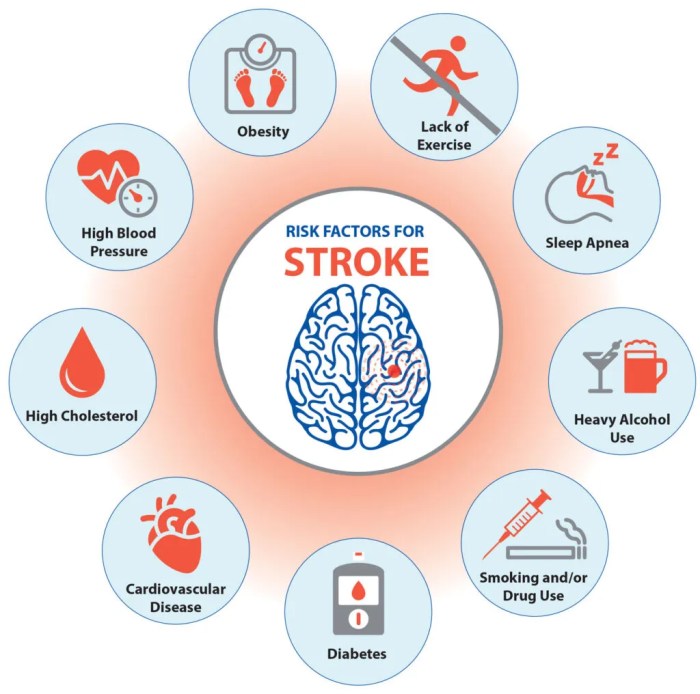
Aging is a natural process, but it doesn’t have to mean a decline in health. By embracing a healthy lifestyle and making proactive choices, you can age gracefully and reduce your risk of heart disease and stroke.
Healthy Lifestyle for Aging
Maintaining a healthy lifestyle is crucial for preventing heart disease and stroke as you age. This involves adopting a heart-healthy diet, engaging in regular physical activity, and managing stress.
- Diet:A heart-healthy diet is rich in fruits, vegetables, whole grains, lean protein, and healthy fats. Limit saturated and trans fats, cholesterol, added sugars, and sodium.
- Physical Activity:Aim for at least 30 minutes of moderate-intensity exercise most days of the week. This can include brisk walking, swimming, cycling, or dancing.
- Stress Management:Chronic stress can contribute to heart disease and stroke. Find healthy ways to manage stress, such as exercise, yoga, meditation, or spending time in nature.
Managing Age-Related Risk Factors
As you age, you may be more susceptible to certain risk factors for heart disease and stroke. It’s essential to manage these risk factors effectively.
- High Blood Pressure:High blood pressure puts extra strain on your heart and blood vessels. Have your blood pressure checked regularly and follow your doctor’s recommendations for managing it.
- High Cholesterol:High cholesterol levels can lead to plaque buildup in your arteries, increasing your risk of heart disease and stroke. Follow a heart-healthy diet, exercise regularly, and take cholesterol-lowering medications as prescribed.
- Diabetes:Diabetes can damage blood vessels and increase your risk of heart disease and stroke. Manage your blood sugar levels through diet, exercise, and medication.
Staying Active, Connected, and Engaged
Staying active, connected, and engaged is crucial for maintaining both physical and mental well-being as you age.
- Social Connections:Social connections are vital for mental and emotional health. Make time for friends and family, join social groups, or volunteer in your community.
- Cognitive Stimulation:Keep your mind sharp by engaging in activities that challenge you, such as reading, learning a new language, or playing brain games.
- Purpose and Meaning:Having a sense of purpose and meaning in life can contribute to overall well-being. Find activities that give you a sense of fulfillment, whether it’s hobbies, volunteering, or spending time with loved ones.
Active Lifestyle
An active lifestyle is a crucial component of cardiovascular health, playing a vital role in preventing heart disease and stroke. Engaging in regular physical activity strengthens your heart, improves blood flow, and helps maintain a healthy weight, all of which contribute to a reduced risk of cardiovascular problems.
Benefits of an Active Lifestyle
Regular physical activity offers numerous benefits for your cardiovascular health. Here are some key advantages:
- Strengthens Your Heart:Exercise acts as a workout for your heart, making it more efficient at pumping blood throughout your body. This improved efficiency reduces strain on your heart, lowering your risk of heart disease.
- Improves Blood Flow:Physical activity helps lower blood pressure and improves blood circulation, which reduces the risk of blood clots forming in your arteries. This improved blood flow also delivers more oxygen to your muscles and organs, promoting overall health.
- Helps Maintain a Healthy Weight:Regular exercise burns calories and helps you maintain a healthy weight. Obesity is a major risk factor for heart disease and stroke, so staying at a healthy weight is essential for cardiovascular health.
- Lowers Cholesterol:Exercise can help lower your LDL (bad) cholesterol levels and raise your HDL (good) cholesterol levels. High levels of LDL cholesterol can lead to plaque buildup in your arteries, increasing your risk of heart disease.
- Reduces Stress:Physical activity is an excellent stress reliever. When you exercise, your body releases endorphins, which have mood-boosting effects. This stress reduction can have a positive impact on your cardiovascular health.
Enjoyable Activities for an Active Lifestyle, How regular health screenings can prevent heart disease and stroke
Finding activities you enjoy is key to making physical activity a sustainable part of your lifestyle. Here are some examples of enjoyable activities that promote physical activity:
- Walking:A simple yet effective way to get moving. You can walk around your neighborhood, at a park, or on a treadmill.
- Swimming:A great low-impact exercise that is easy on your joints. Swimming is a full-body workout that can improve cardiovascular health.
- Dancing:A fun and energetic way to get your heart rate up. You can take dance classes or simply dance to your favorite music at home.
- Gardening:A combination of physical activity and relaxation. Gardening involves bending, lifting, and stretching, all of which are good for your cardiovascular health.
- Cycling:A great way to explore your surroundings while getting a good workout. You can ride a bike on trails, roads, or even indoors on a stationary bike.
Finding Activities That Fit Your Lifestyle
The key to maintaining an active lifestyle is finding activities that you enjoy and that fit your lifestyle. Consider your interests, fitness level, and schedule when choosing activities. It’s also important to start slowly and gradually increase the intensity and duration of your workouts.
“The best exercise is the one you’ll actually do.”
Unknown
Ending Remarks
In conclusion, regular health screenings are essential for preventing heart disease and stroke. By taking proactive steps to monitor our cardiovascular health, we can empower ourselves to live longer, healthier lives. Embracing a healthy lifestyle, managing stress, and adhering to recommended screenings are crucial components of a comprehensive approach to heart health.
Remember, prevention is always better than cure, and regular screenings are a powerful tool in our fight against these devastating conditions.
Query Resolution
What are the most common types of health screenings for heart disease and stroke?
Common screenings include blood pressure checks, cholesterol tests, electrocardiograms (EKGs), and echocardiograms. The specific screenings recommended will vary based on individual risk factors and age.
How often should I get a health screening for heart disease and stroke?
The frequency of screenings depends on individual risk factors. Your doctor can advise on the appropriate schedule based on your age, family history, and lifestyle habits.
Can I prevent heart disease and stroke through lifestyle changes?
Yes, lifestyle modifications can significantly reduce your risk. Maintaining a healthy weight, exercising regularly, eating a balanced diet, managing stress, and avoiding smoking are all crucial steps.
What are some signs or symptoms of heart disease and stroke that I should watch out for?
Common signs include chest pain, shortness of breath, dizziness, fatigue, and sudden weakness or numbness. If you experience any of these symptoms, seek medical attention immediately.


More Stories
Create a Balanced Meal Plan for Wellness
Hydration: A Key to Strong Immune Support
Mental Health: A Key to Healthy Aging